Understanding Solar Battery System Sizing for Your Home
As more homeowners consider solar energy solutions, the integration of solar battery systems has become an attractive option. However, sizing a solar battery system correctly is crucial to achieving optimal performance and efficiency. This article will guide you through the key factors to consider when sizing a solar battery system tailored to your home’s needs.
Assessing Your Energy Needs
Before diving into battery options, it’s essential to understand your household’s energy consumption. Start by reviewing your electricity bills from the past year to determine your average monthly usage. Here are a few steps to help assess your needs:
- Daily Energy Consumption: Calculate your daily energy usage in kilowatt-hours (kWh). Divide your monthly bill by 30 to get a rough daily estimate.
- Peak Usage: Identify peak usage times when your home consumes the most energy. This information can help in determining the capacity of the battery you may need.
- Future Changes: Consider any potential changes in your energy consumption, such as adding electric vehicles, new appliances, or increased family size.
Understanding your energy needs is the first step toward selecting the right battery size for your home.
Battery Capacity and Type
Once you have a clear picture of your energy requirements, the next consideration is the capacity of the solar battery system. Battery capacity is measured in kilowatt-hours (kWh) and indicates how much energy the battery can store. Here are some key considerations:
1. Capacity Requirements
To determine the required capacity, consider how many hours you want the battery to supply power during outages or low solar production periods. For instance, if your daily energy needs are 30 kWh, and you want to have backup for one day, you’ll need a battery system with at least that capacity. However, it’s often wise to oversize slightly to account for inefficiencies.
2. Depth of Discharge (DoD)
Different battery types have varying depths of discharge, which is the percentage of the battery that can be used without damaging it. For example, lithium-ion batteries often have a DoD of 80-90%, while lead-acid batteries may only allow for 50%. Therefore, if a battery has a capacity of 10 kWh but a DoD of 80%, you can safely use 8 kWh of that capacity.
3. Battery Types
There are several types of batteries on the market, each with its pros and cons:
- Lithium-Ion: These batteries are popular for residential solar systems due to their higher energy density, longer lifespan, and lower maintenance needs.
- Lead-Acid: Generally less expensive, these batteries have a shorter lifespan and lower DoD, making them less ideal for most modern solar systems.
- Saltwater and Flow Batteries: These newer technologies are emerging with specific benefits, such as longer lifetimes and safety, but may not yet be widely available.
Integration with Solar Systems
Your solar battery system must work seamlessly with your solar panels. Here are some integration factors to consider:
1. Grid-Tied vs. Off-Grid
Decide whether you want to remain connected to the grid or go fully off-grid. Grid-tied systems typically allow for net metering, where excess energy can be sent back to the grid for credits or payments. Off-grid systems require batteries to store all the energy you need, which can increase your battery sizing requirements considerably.
2. Inverter Compatibility
Your inverter must be compatible with the battery system you choose. Some inverters are designed specifically for certain battery types, while others may offer more flexibility. Ensure that your installer takes this into account when designing your system.
Local Climate and Environmental Factors
The climate where you live significantly impacts both solar energy production and battery performance. Here are some aspects to consider:
- Sunlight Exposure: Homes in sunnier regions will generate more solar energy, potentially reducing battery size needs. Conversely, homes in cloudy or shaded areas may need larger batteries.
- Temperature Extremes: Batteries have optimal operating temperatures. In areas with extreme heat or cold, you may need to consider temperature control systems to maintain battery efficiency.
Permitting and Local Regulations
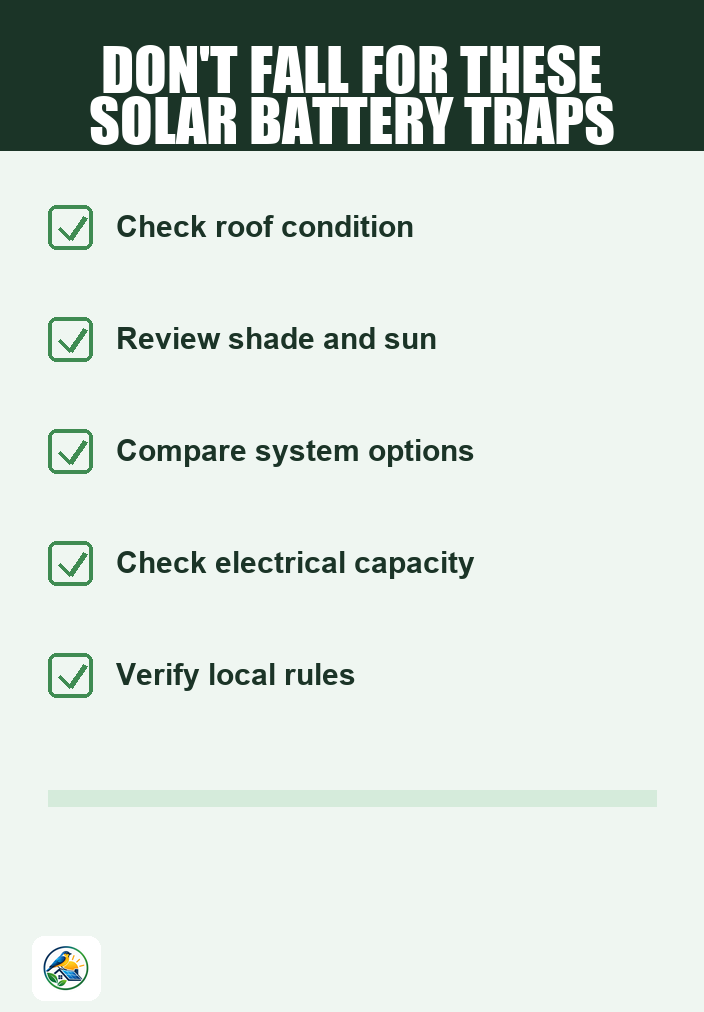
Understanding local regulations and permitting requirements is essential. Different regions may have specific rules regarding battery storage systems, including safety standards and interconnection with the grid. Consult your local utility and a professional installer to ensure compliance.
Cost Considerations and Financing Options
Cost is a significant factor when sizing a solar battery system. The initial investment can vary widely based on the battery type, capacity, and installation requirements. Here are some financial aspects to consider:
- Upfront Costs: Get itemized quotes from qualified installers to understand the total costs, including equipment, installation, and any necessary electrical upgrades.
- Financing Options: Explore financing options, such as solar loans or leases, which can help spread out the costs over time.
- Incentives: Verify current incentives and rebates available in your area, as these can vary significantly and may affect your overall investment.
Evaluating Professional Installation
Given the complexity of sizing a solar battery system, consulting with a professional installer is often the best course of action. They can perform a detailed analysis of your home, energy needs, and local conditions to provide tailored recommendations. A professional will also help navigate interactions with local utilities and permitting processes.
Next Steps for Homeowners
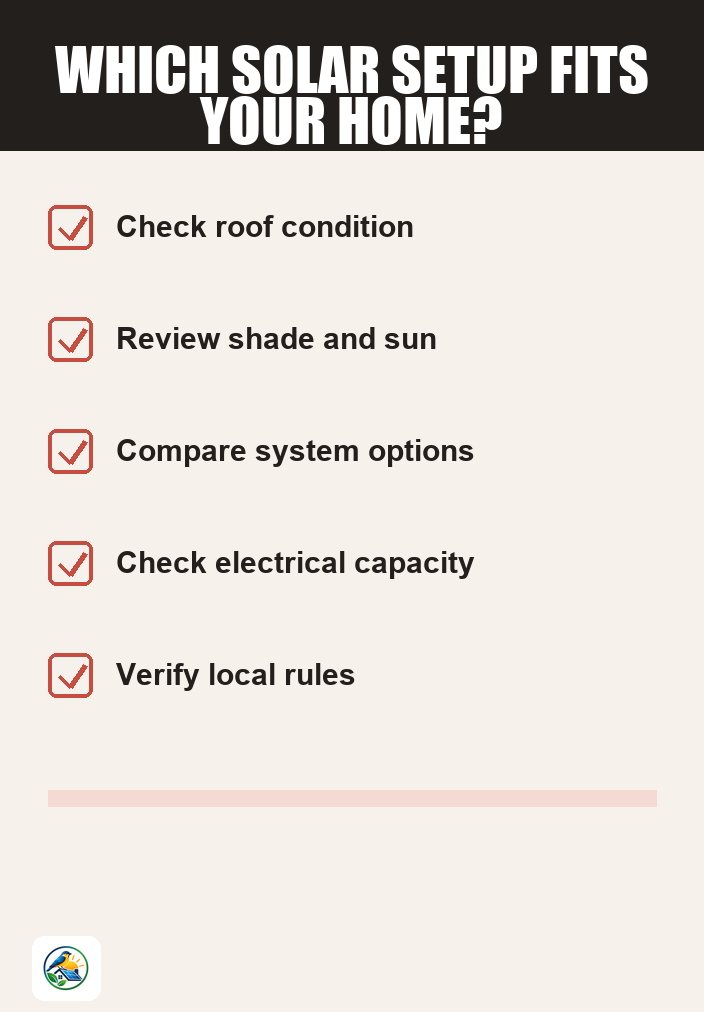
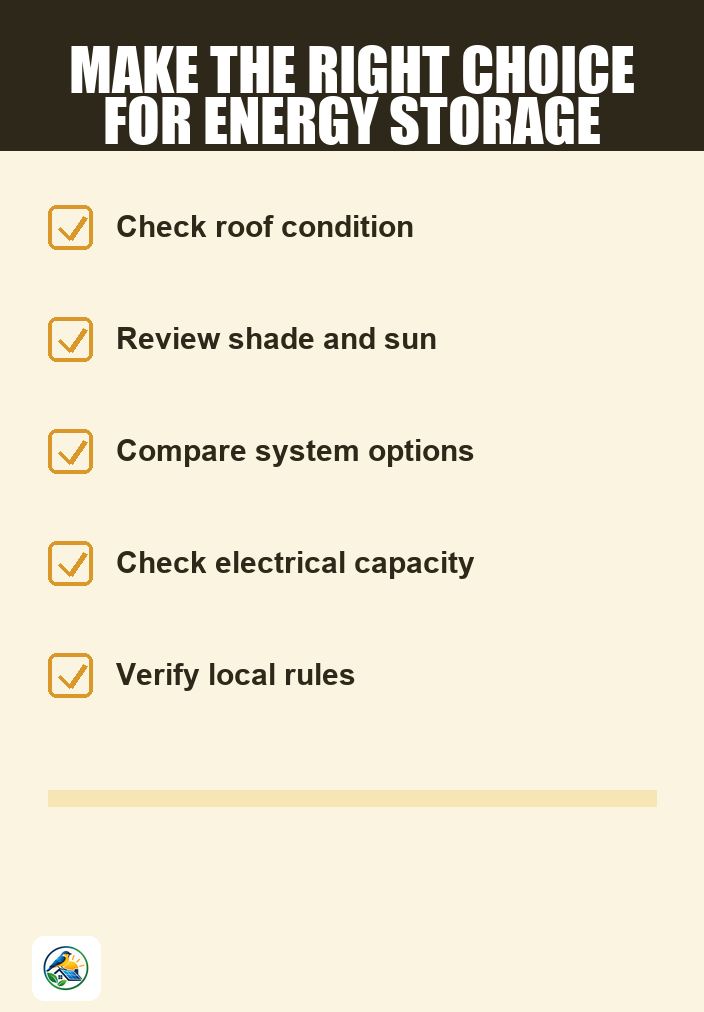
As you consider adding a solar battery system to your home, take the time to evaluate your energy needs, the type of battery that suits your situation, and local regulations. Comparing itemized quotes from qualified installers will help you understand your options and make an informed decision. Always verify current incentives and ask questions to ensure you fully understand the implications of your choices.