
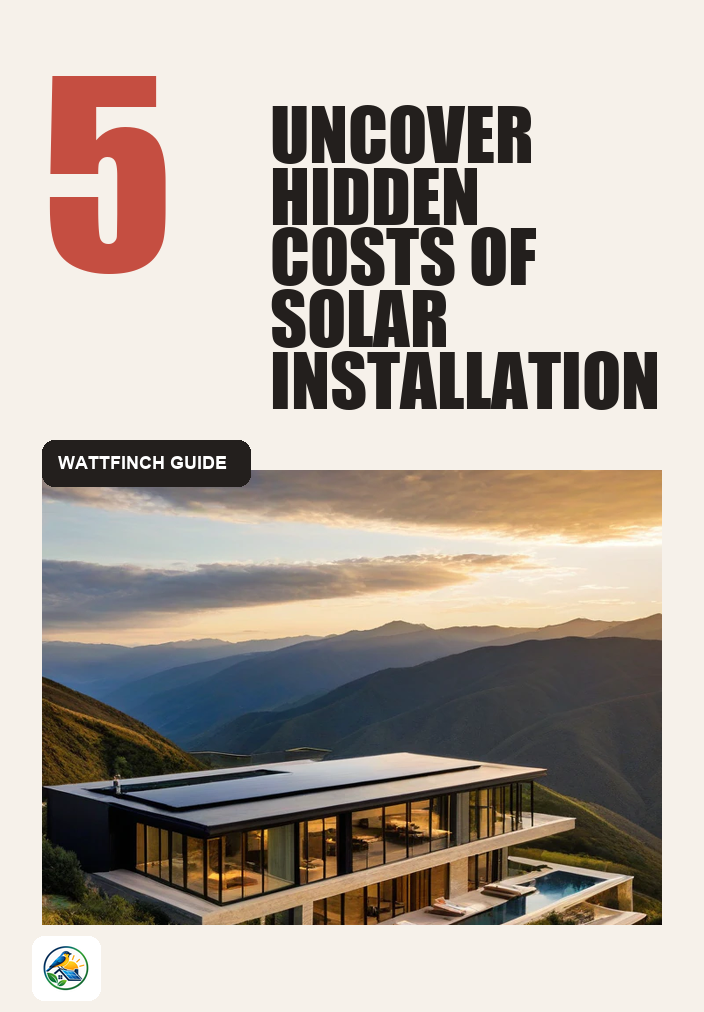
Understanding the Cost Factors Behind Solar Installation for Your 3000 Square Foot Home
As a homeowner considering solar energy, understanding the various cost factors associated with installing a solar system is crucial. This guide will break down the expenses involved in installing a solar system for a typical 3000 square foot home. We’ll discuss the essential components of solar installation, potential costs, and factors that can influence your decision to go solar.
Estimating the Cost of Solar Installation
The cost of a solar installation can vary significantly based on several factors. For a 3000 square foot home, here are the main components that determine the overall cost:
- System Size: The size of the solar system you need depends on your energy consumption and the efficiency of the panels. On average, a 3000 square foot home might require a solar system ranging from 6 to 10 kilowatts (kW). The total cost will be influenced by this system size.
- Panel Type: There are different types of solar panels, including monocrystalline, polycrystalline, and thin-film. Each has its cost, efficiency, and lifespan. Monocrystalline panels are typically more efficient but may come at a higher price.
- Installation Costs: Labor costs can vary based on your location and the complexity of the installation. Installation typically includes labor for mounting the panels, connecting the electrical systems, and ensuring compliance with local codes.
- Permitting and Inspection Fees: Local regulations may require permits and inspections that can add to your upfront costs. These fees can vary based on your municipality.
- Inverter Costs: The inverter is a critical component that converts the direct current (DC) produced by the solar panels into alternating current (AC) for use in your home. Depending on the type of inverter you choose, costs may vary.
- Battery Storage (if applicable): If you opt to include battery storage, this will add to the total cost. Battery systems can help store excess energy for use during low-sunlight hours or outages but come with their own set of costs and considerations.
Understanding Your Energy Needs
Before diving into quotes, assess your household’s energy consumption. Reviewing your past utility bills can provide insight into your average monthly usage. This information is essential for determining the size of the solar system you will need. A solar installer can help you analyze your energy consumption and suggest an appropriate system size, but having a general idea yourself can aid in discussions.
Comparing System Types: Grid-Tied vs. Off-Grid
When considering solar, you will likely encounter two main system types: grid-tied and off-grid systems. Each has different implications for costs and functionality.
- Grid-Tied Systems: These systems are connected to the local utility grid. They allow you to draw power from the grid when your solar panels aren’t producing enough electricity, like during nighttime. Since you won’t need battery storage, grid-tied systems usually have lower upfront costs.
- Off-Grid Systems: Off-grid systems are not connected to the utility grid and require battery storage to provide power when solar production is low. These systems can be more expensive due to the need for batteries and additional equipment but can be ideal for remote locations.
Evaluating Roof Condition and Orientation
Your home’s roof condition and orientation significantly impact the feasibility and cost of solar installation. Consider the following:
- Roof Condition: If your roof is nearing the end of its lifespan or requires significant repairs, it might be wise to address these issues before installing solar panels. A structurally sound roof is essential for safely mounting solar panels.
- Orientation and Shade: Ideally, solar panels should face south to maximize sun exposure. If your roof is shaded by trees or nearby buildings, this could reduce the efficiency of your solar system. A professional installer can evaluate your roof’s orientation and shading to recommend the best layout.
Financing Your Solar Installation
Financing options can greatly affect the overall cost of your solar system. Here are some common methods:
- Cash Purchase: Paying upfront can save you money in the long run, as you won’t incur interest or financing fees. However, this requires significant capital.
- Solar Loans: Many homeowners opt for solar loans, which allow you to pay for the system over time while still benefiting from energy savings.
- Leases and Power Purchase Agreements (PPAs): These options allow you to install solar with little or no upfront cost. Instead, you pay a fixed monthly fee or a rate per kilowatt-hour generated, but you typically won’t receive the same financial benefits as owning the system.
Incentives and Tax Credits
While there are federal and local incentives available for solar installations, these can vary widely depending on your location. It’s essential to do your own research or consult with a tax professional to understand what incentives you may qualify for. Current incentives require independent verification, so be sure to verify any claims about tax credits or rebates.
Maintenance and Long-Term Considerations
Once your solar system is installed, ongoing maintenance is generally minimal. However, consider the following:
- Cleaning: Dust, leaves, and debris can reduce panel efficiency. While rain can help, periodic cleaning may be necessary, especially in dusty areas.
- Monitoring: Many systems come with monitoring tools to track performance. Regularly checking these can help identify issues early.
- Battery Maintenance: If you include a battery system, be aware of the maintenance required to keep it functioning optimally.
Making the Decision: When to Get Professional Quotes
Once you’ve assessed your needs, roof condition, and financial options, it’s time to reach out to professional installers for quotes. Getting multiple itemized quotes will allow you to compare costs effectively. Look for qualified installers with good reviews and experience in your area. They can provide insights tailored to your specific situation and help you make an informed decision.
Next Steps
As you consider solar for your 3000 square foot home, take the time to research and gather information. Compare itemized quotes from qualified installers to understand the total costs involved and make an informed decision. Solar can be a significant investment, and thorough planning can help you navigate the complexities and find a solution that works best for your home.


















