
Understanding Solar Installation Costs for Your 3000 Square Foot Home
Installing solar panels can be an appealing option for many homeowners, especially those with larger homes like a 3,000 square foot residence. However, navigating the cost implications of a solar installation can be challenging. In this article, we’ll explore common cost pitfalls to avoid, ensuring that you make informed decisions that align with your specific needs and circumstances.
Identifying Your Energy Needs
Before diving into quotes and installations, it’s essential to assess your current energy consumption. Understanding how much energy your home uses will help you determine the size of the solar system you need. Consider the following:
- Monthly Electricity Bills: Review your electricity bills over the past year to identify your average monthly use in kilowatt-hours (kWh).
- Seasonal Variations: Keep in mind that energy consumption can vary seasonally, especially in extreme weather months.
- Future Changes: Consider any future changes in your home that may affect energy use, such as adding appliances or home expansions.
Choosing the Right System Type
When deciding on a solar system, consider the type that best suits your needs:
- Grid-Tied Systems: These systems connect directly to the utility grid and are often the most cost-effective option for homeowners. They allow for net metering, where you can receive credit for excess energy produced.
- Battery Backup Systems: Adding a home battery can provide backup power during outages and store excess energy for later use, but it comes with higher costs and additional maintenance considerations.
- Off-Grid Systems: For those looking to be entirely energy independent, off-grid systems can be an option but require a significant investment and ongoing upkeep.
Understanding Installation Costs and Quotes
The cost of solar installation can vary significantly based on several factors, including:
- Installation Complexity: The complexity of your roof design, including its pitch and material, can affect labor costs.
- Equipment Quality: Different equipment types and brands can lead to price differences. Higher quality panels may cost more upfront but could offer better efficiency and longevity.
- Labor Rates: Installation costs can also differ based on local labor rates, which can vary widely across different regions.
Obtaining multiple itemized quotes from qualified installers is crucial. This will allow for a more accurate comparison of costs and help you avoid overpaying. Look for transparency in quotes, including breakdowns of equipment, labor, and any additional fees.
Addressing Structural and Electrical Considerations
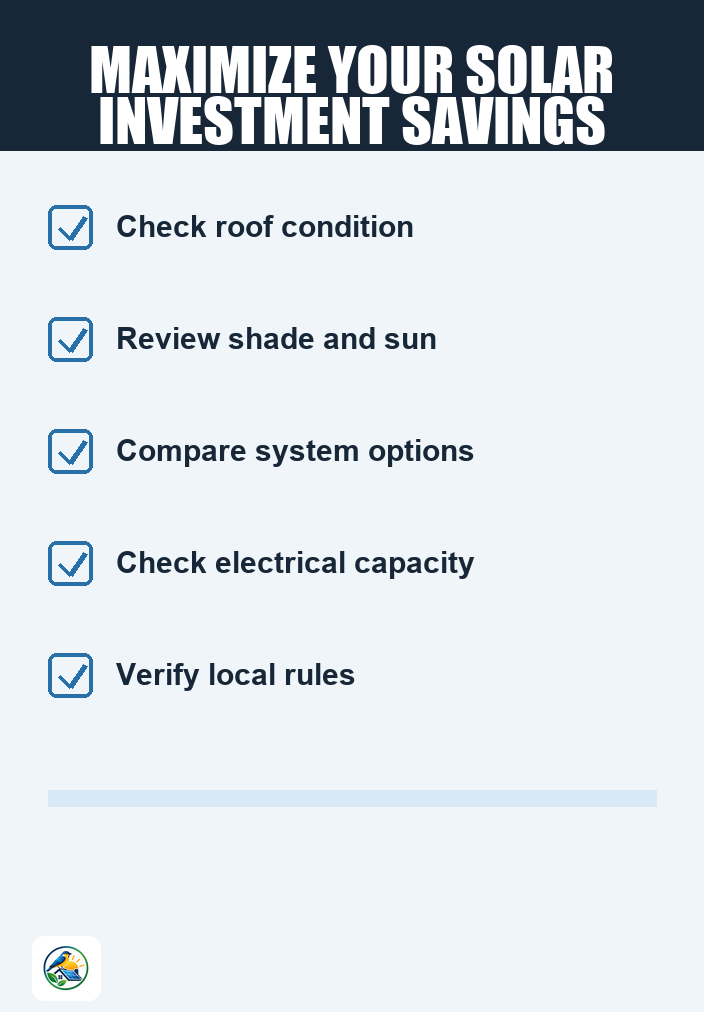
Before installation, it’s important to evaluate your home’s roof and electrical system:
- Roof Condition: Check if your roof is in good shape. If it needs repairs or replacement, factor those costs into your solar budget.
- Shade Issues: Assess whether trees or other structures block sunlight from reaching your roof. Shaded panels produce less energy, which can affect your system’s overall efficiency.
- Electrical Upgrades: If your electrical system is outdated, you may need to invest in upgrades to accommodate your new solar system.
Financing Options and Their Impact on Costs
Financing your solar installation can introduce additional costs, so it’s essential to evaluate your options:
- Cash Purchase: This method avoids financing costs and often comes with the best long-term savings.
- Loans: Many homeowners opt for solar loans, which can spread out costs over time but may incur interest that adds to the overall expenditure.
- Leases and Power Purchase Agreements (PPAs): These arrangements can reduce upfront costs but may not offer the same financial benefits as ownership.
Always review the terms of financing options carefully to understand the total cost of the system over time.
Considering Incentives and Tax Credits
While there are federal and state incentives that can significantly reduce the cost of solar installation, these programs can change frequently. It’s vital to verify the current incentives available in your area:
- Federal Tax Credit: There may be a federal tax credit available for solar installations, but the percentage and eligibility can vary. Consult with a tax professional to understand your specific situation.
- State and Local Incentives: Many states and local governments offer additional rebates and incentives. Check with local authorities to see what might be available.
- Utility Programs: Some utilities have programs for solar customers, including net metering or performance-based incentives. Make sure to inquire about these options.
Evaluating Long-Term Maintenance and Performance
Solar systems generally require minimal maintenance, but there are still costs to consider:
- Cleaning: Dust, debris, and bird droppings can affect panel efficiency. Regular cleaning may be necessary, depending on your environment.
- Monitoring: Some systems come with monitoring options to track performance; consider if this service is necessary for you.
- Inverter Replacement: Inverters may need replacement after 5 to 10 years, which can incur additional costs.
Next Steps: Making Your Solar Decision
Installing solar panels can be a significant investment, and avoiding common cost pitfalls is essential for maximizing your benefits. To make a well-informed decision, follow these steps:
- Assess your energy needs and potential future changes.
- Research and compare multiple itemized quotes from qualified installers.
- Evaluate your home’s roof condition and electrical system.
- Consider various financing options and their long-term implications.
- Verify current incentives and tax credits that may apply to you.
By taking these steps, you can position yourself to make a thoughtful and informed decision about installing solar for your home. Remember, each home is unique, and careful consideration of your specific circumstances will help you avoid common pitfalls and maximize the benefits of your solar investment.


















