
Understanding Cash and Solar Loans: Key Mistakes Homeowners Should Avoid
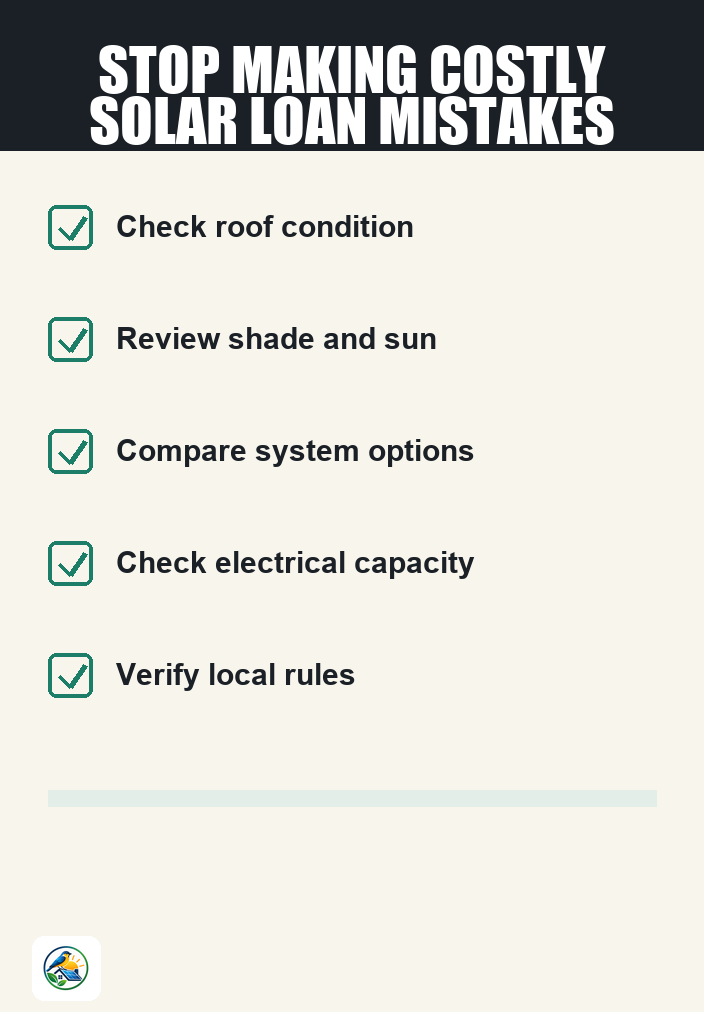
For many homeowners, investing in solar energy is an attractive option for reducing electricity costs and contributing to a more sustainable future. However, the financial aspect of this decision can be complex, especially when it comes to cash payments and solar loans. Mistakes in this area can lead to unnecessary expenses, missed opportunities, or even regret. Below is a checklist designed to help homeowners navigate the financial aspects of going solar, highlighting key mistakes to avoid when considering cash and solar loans.
1. Not Assessing Total Costs Thoroughly
Before diving into financing options, it’s essential to have a clear understanding of the total costs associated with a solar installation. Many homeowners focus solely on the base price of solar panels, forgetting to account for other expenses.
Key Components to Consider
- Installation fees
- Permitting and inspection costs
- Electrical upgrades or modifications required for your home
- Potential maintenance costs over time
- Battery storage options, if applicable
Take the time to request itemized quotes from several qualified installers. This will allow you to see the breakdown of costs and avoid unpleasant surprises down the road.
2. Overlooking Financing Options and Terms
Solar financing can take various forms, from loans and leases to cash purchases. Understanding the pros and cons of each option is crucial.
Types of Financing Options
- Cash Purchase: While this eliminates financing costs, it requires significant upfront capital.
- Solar Loans: These can be secured or unsecured. Be cautious about interest rates and terms.
- Leases or Power Purchase Agreements (PPAs): These may seem appealing, but they often come with long-term commitments and may not allow you to claim tax incentives.
Carefully evaluate the interest rates and terms of any loans or financing agreements. Higher interest rates can significantly increase the total cost of your solar investment.
3. Ignoring Local Incentives and Regulations
Incentives for solar installation can vary widely depending on your location, and failing to take advantage of these can be a costly oversight.
What to Investigate
- Federal and state tax credits
- Local rebates or incentives
- Net metering policies that could influence your credit for excess energy produced
- Permitting requirements specific to your area
Always verify current incentives with local utility companies or government agencies, as these can change frequently and may impact your overall financial decision.
4. Neglecting Roof Condition and Orientation
Your roof’s condition and orientation can significantly affect the performance of a solar system. Many homeowners overlook this step, assuming their roof is suitable for solar panels.
What to Assess
- Roof age and condition: Will it need replacement soon?
- Orientation and pitch: Is your roof angled towards the sun?
- Shade: Are there trees or structures that could block sunlight?
Before installation, a professional evaluation of your roof can save you from costly modifications or diminished solar performance later.
5. Not Considering Future Energy Needs
Homeowners often focus on their current energy consumption without considering future needs. A growing family, new appliances, or electric vehicles can change your energy requirements significantly.
Key Questions to Ask
- Will your energy consumption increase in the next few years?
- Is battery storage a viable option for your home?
- What are your long-term energy goals?
Thinking ahead can help you size your solar system appropriately and avoid the need for costly expansions later.
6. Misunderstanding Maintenance and Performance
While solar systems are generally low-maintenance, they are not maintenance-free. Homeowners often overlook the need for regular maintenance or fail to understand how it impacts performance.
Maintenance Considerations
- Regular cleaning of solar panels to remove dirt and debris
- Monitoring system performance to ensure it operates efficiently
- Understanding warranty requirements and what they cover
By neglecting maintenance, you could face decreased efficiency and increased repair costs.
7. Skipping Professional Quotes and Evaluations
Some homeowners may attempt to install solar systems themselves or rely on online calculators alone. This can lead to miscalculations and poor decisions.
Benefits of Professional Installations
- Accurate assessment of your home’s solar potential
- Guidance on financing options and available incentives
- Compliance with local regulations and permitting processes
Getting quotes from multiple qualified installers helps ensure that you are making an informed decision based on expert evaluations of your home.
Next Steps for Homeowners Considering Solar
Investing in solar energy can be a significant decision, and avoiding common pitfalls can save you time and money. To move forward:
- Assess your home’s suitability for solar, including roof condition and orientation.
- Gather itemized quotes from multiple qualified solar installers.
- Research local incentives and financing options thoroughly.
- Consider both your current and future energy needs before making a decision.
By following this checklist, you can avoid key mistakes and make a more informed choice about whether solar energy is the right fit for your home.


















