
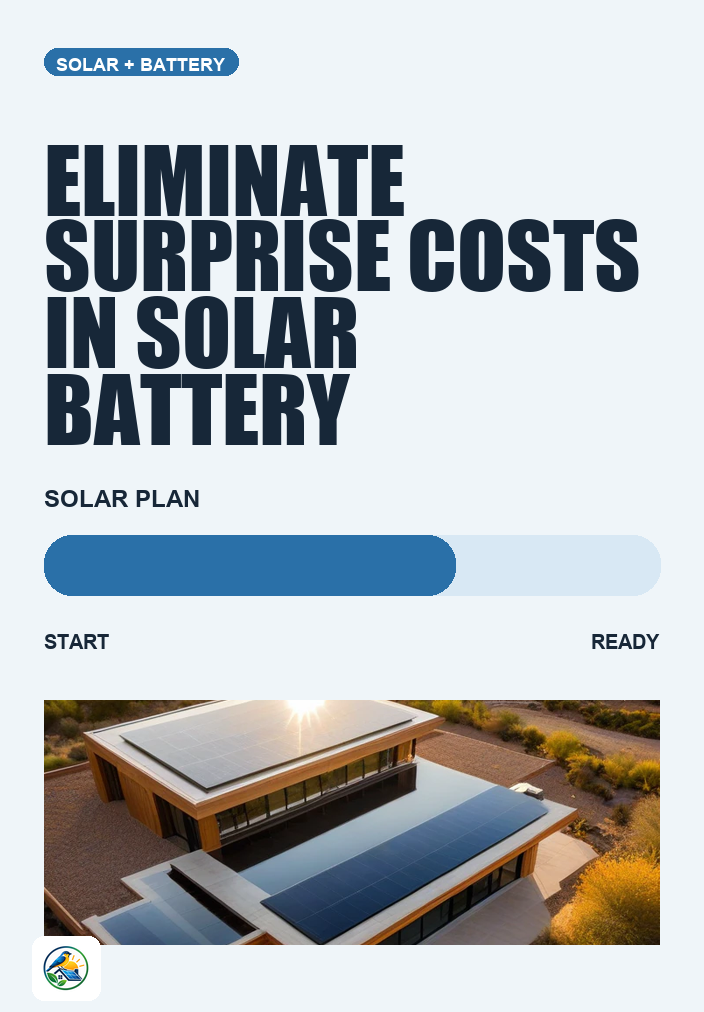
Understanding the Costs of Installing Solar Batteries for Well Pumps
Installing solar batteries to power well pumps can enhance your home’s water supply reliability and energy independence. However, homeowners must be vigilant about potential hidden costs associated with this investment. This article will help you navigate these costs, ensuring you make an informed decision about solar battery installation for your well pump.
Identifying Core Costs and Hidden Expenses
The primary costs of installing solar batteries typically include equipment, installation, and necessary permits. Yet, hidden costs can significantly affect your overall budget. Here are the main areas to consider:
1. Equipment Costs
- Battery Type: Different battery technologies (like lithium-ion, lead-acid, or flow batteries) have varying upfront costs and lifespans. Research the best fit for your needs.
- Inverters: An inverter converts the DC power generated by your solar panels into AC power. An appropriate inverter is crucial and can add to your installation costs.
- Solar Panels: If you’re adding solar panels to your well pump system, ensure you factor this expense into your budget.
2. Installation Costs
- Labor: Professional installation is recommended for safety and efficiency. Labor costs can vary widely depending on your location and the complexity of the installation.
- Electrical Upgrades: If your home’s electrical system is outdated or not compatible with the new system, additional upgrades may be necessary.
- Mounting Equipment: Depending on your roof type and orientation, the mounting equipment needed for solar panels can add to the installation cost.
3. Permitting and Interconnection Fees
- Permitting Fees: Local governments often require permits for solar installations, and these can vary significantly based on your location. Research local regulations to understand potential costs.
- Interconnection Fees: If you plan to connect your system to the grid, utility companies may charge interconnection fees. Check your utility’s policies for details.
4. Maintenance and Upkeep
- Battery Maintenance: Some battery types require regular maintenance, which adds to your long-term costs.
- System Monitoring: Investing in monitoring systems to track performance can help identify issues early but will incur additional costs.
Considering Tradeoffs and Tradeoffs
When evaluating the costs, consider the tradeoffs involved. For instance, while lithium-ion batteries may have a higher upfront cost, they typically offer longer lifespans and better performance compared to lead-acid batteries. This decision impacts long-term value versus initial savings.
Evaluating Your Home’s Needs
Before diving into solar battery installation, assess your home’s specific requirements:
- Water Needs: Determine how much water your well pump needs to supply and how much energy will be required to operate it.
- Energy Consumption: Analyze your household’s energy consumption patterns. This can help you size your solar panel and battery system appropriately.
- Sun Exposure: Consider the orientation and shading of your roof. Poor sun exposure can lead to insufficient energy generation.
Understanding Battery Limitations
Solar batteries come with inherent limitations that can affect your overall system performance:
- Capacity: Batteries have a limited capacity, and if your energy needs exceed this, you may need additional batteries or a different system altogether.
- Cycle Life: Batteries have a defined number of charge cycles. Frequent deep discharges can reduce battery lifespan, leading to more frequent replacements.
- Temperature Sensitivity: Battery performance can degrade in extreme temperatures, affecting their efficiency and lifespan.
Permitting and Utility Regulations
Understanding local permitting and utility regulations is crucial. Regulations vary widely from one location to another, impacting installation and operational costs:
- Local Permits: Some areas require permits for solar panel installations, while others may have specific zoning laws that could affect your installation.
- Net Metering Policies: Check whether your utility offers net metering, which can affect the financial viability of your solar system.
Next Steps: Comparing Quotes and Evaluating Options
Once you’ve assessed your needs and identified potential costs, it’s time to gather quotes from qualified installers. Here are practical steps to follow:
- Get Itemized Quotes: Request detailed itemized quotes from multiple installers. This will help you understand the costs involved and identify any hidden fees.
- Ask About Warranties: Inquire about warranties for both equipment and installation. A robust warranty can save you money in the long run.
- Verify Incentives: Research local and state incentives and verify them independently. This can help you understand potential cost reductions.
Installing solar batteries for well pumps can provide significant benefits, but it’s essential to be aware of potential hidden costs and tradeoffs. By carefully evaluating your needs and comparing multiple quotes, you can make an informed decision that aligns with your budget and energy requirements.


















