Understanding the Basics: Solar Batteries and Generators
When it comes to preparing for power outages or emergencies, many homeowners consider two primary options: solar batteries and generators. While both can provide backup power, they operate differently and have unique benefits and drawbacks. Understanding these differences can help you make an informed decision for your home.
Solar Batteries: An Overview
Solar batteries store energy generated from solar panels, making it available for use when the sun isn’t shining. They are typically integrated with a solar power system, allowing homeowners to utilize stored energy for daily needs or during power outages. The key features of solar batteries include:
- Energy Storage: Solar batteries store excess energy produced by solar panels during the day for use at night or during outages.
- Environmental Impact: They utilize clean energy, reducing reliance on fossil fuels and minimizing carbon footprints.
- Grid Independence: In off-grid scenarios, solar batteries can provide complete energy independence.
Advantages of Solar Batteries
Solar batteries present several advantages for homeowners:
- Quiet Operation: Unlike generators, solar batteries operate silently, making them suitable for residential areas.
- Low Maintenance: Solar batteries generally require less maintenance than generators, which need regular checks and fuel replenishment.
- Long-Term Investment: Though initial costs can be high, solar batteries can lead to long-term savings on energy bills and enhance energy independence.
Limitations of Solar Batteries
Despite their advantages, solar batteries have some limitations:
- High Initial Cost: The upfront cost of a solar battery system can be significant, depending on your energy needs and local solar incentives.
- Capacity Constraints: The energy storage capacity of batteries is limited, which may not support all household needs during extended outages.
- Weather Dependency: Solar energy production is dependent on sunlight, which can be inconsistent due to weather conditions.
Generators: An Overview
Generators provide backup power by converting fuel into electricity. They can be portable or permanently installed and can run on gasoline, propane, or natural gas. Key aspects of generators include:
- Immediate Power Supply: Generators can deliver power instantly after an outage, providing immediate relief.
- High Output: They typically offer higher power outputs, suitable for running multiple appliances simultaneously.
Advantages of Generators
Generators also come with distinct advantages:
- Robust Power Supply: Generators can handle large power loads, making them ideal for homes with high energy demands.
- Fuel Versatility: Depending on the type, generators can run on various fuels, providing options based on availability and preference.
- Less Weather Dependent: Generators can operate regardless of weather conditions, ensuring power availability during storms or cloudy days.
Limitations of Generators
However, generators also have their drawbacks:
- Noise Pollution: Generators can be loud, which may be disruptive to you and your neighbors.
- Regular Maintenance: They require routine maintenance and fuel checks to ensure reliability.
- Environmental Concerns: Generators emit greenhouse gases, contributing to pollution and climate change.
Comparing Solar Batteries and Generators in Survival Scenarios
When considering which option might outlast the other in survival scenarios, several factors come into play:
1. Duration of Power Supply
Solar batteries can provide power as long as they are charged, which typically depends on the solar energy produced during the day. In contrast, generators can run as long as they have fuel, making them potentially more reliable for extended outages, provided fuel is accessible.
2. Sustainability
In terms of sustainability, solar batteries have the upper hand, using renewable energy sources. Generators, while effective, rely on fossil fuels that can be scarce during crises, potentially limiting their use.
3. Cost Over Time
While initial costs for solar batteries may be higher, they can lead to savings on electricity bills in the long run. Generators might have lower upfront costs, but ongoing fuel and maintenance expenses can add up over time.
4. Installation Considerations
Installing a solar battery system often requires professional installation, along with permits and inspections. Generators can be easier to set up, especially portable models, but larger whole-house generators may also need professional installation.
Practical Considerations for Homeowners
As you weigh your options, consider the following practical points:
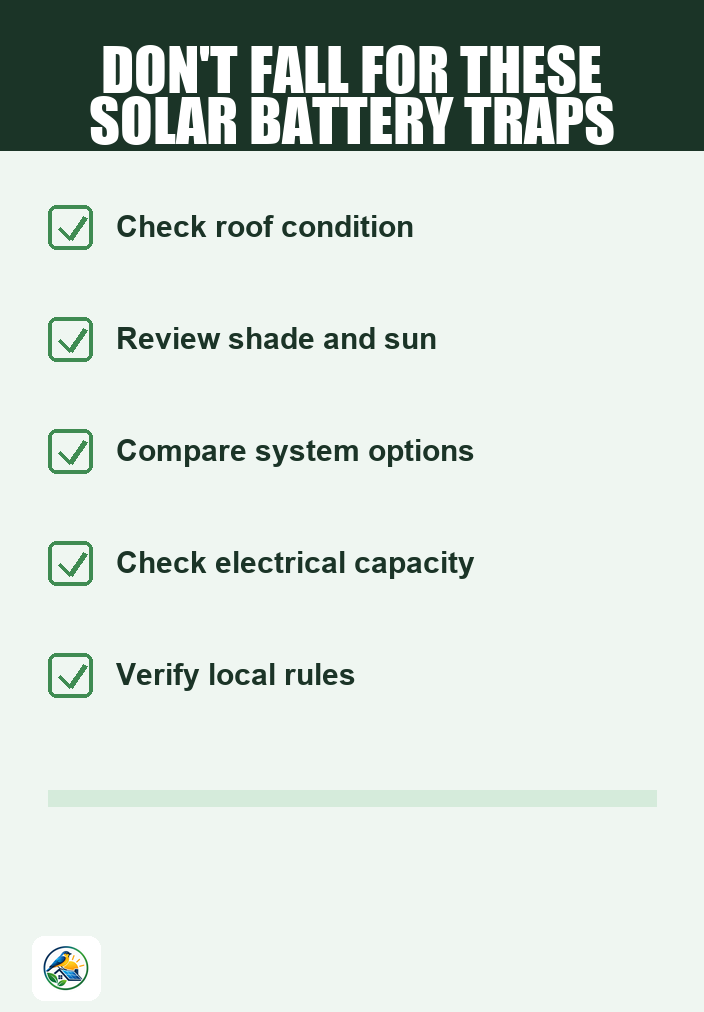
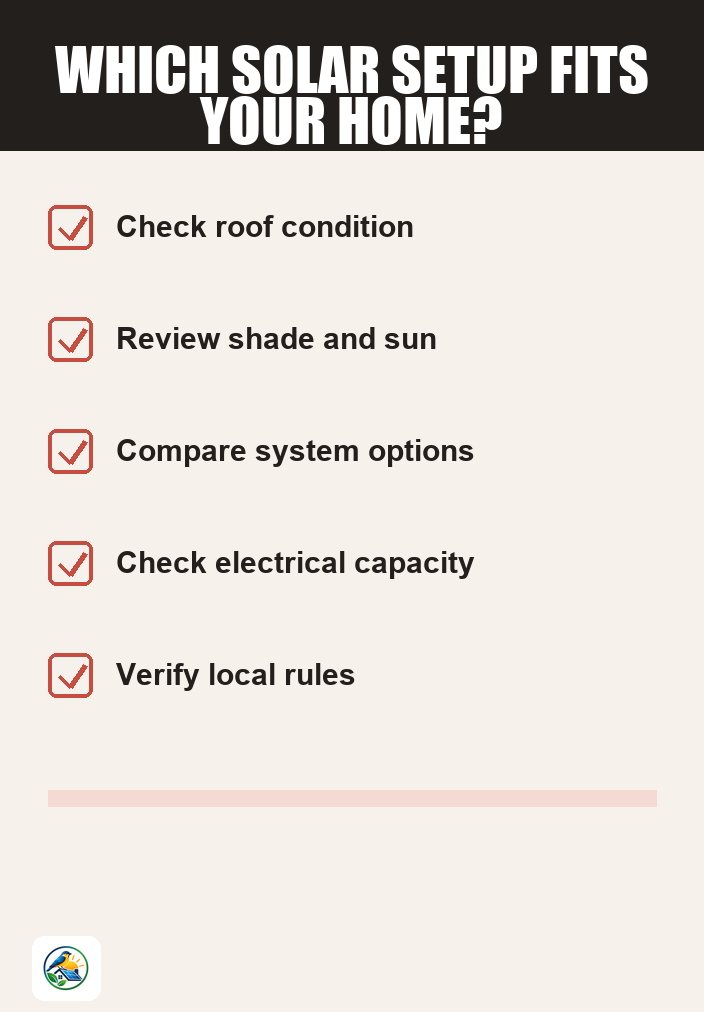
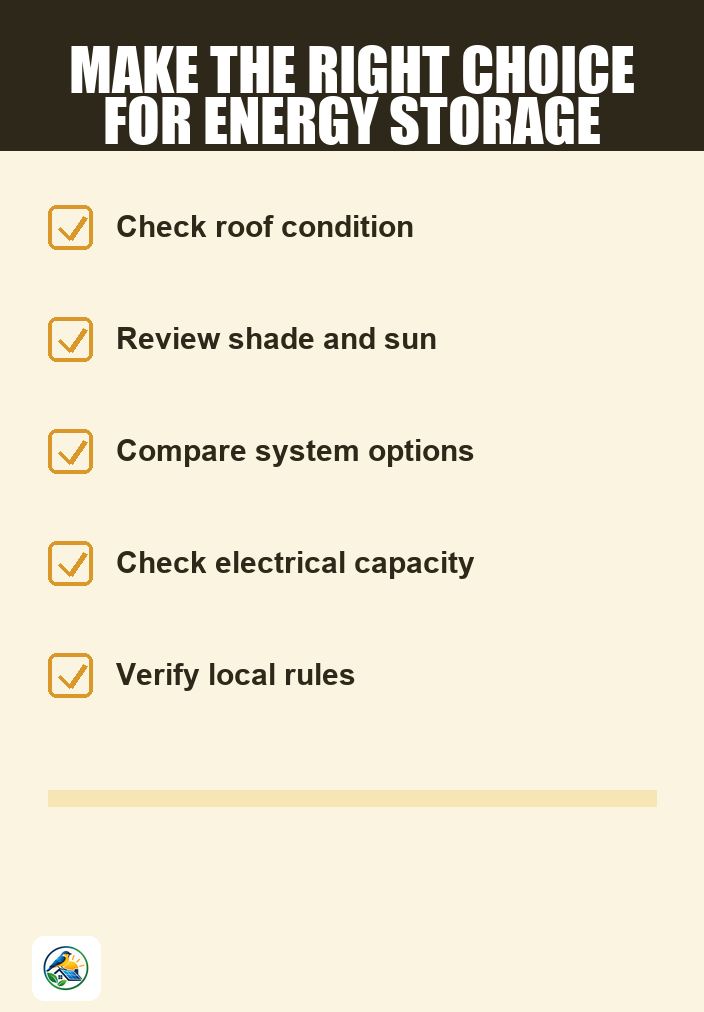
- Assess Your Energy Needs: Determine how much energy you require during outages and whether a solar battery or generator can meet those needs.
- Evaluate Your Home Environment: Consider factors like roof condition, sunlight exposure, and space for a generator when deciding between solar batteries and generators.
- Check Local Regulations: Understand local permitting, zoning laws, and utility policies regarding solar installations and generator use.
- Get Professional Quotes: Consult with qualified installers to compare options, costs, and benefits specific to your home.
Next Steps: Making an Informed Decision
Ultimately, the choice between solar batteries and generators depends on your specific needs, preferences, and circumstances. Both options have their merits and can be effective for different scenarios. As a next step, consider obtaining itemized quotes from qualified installers to better understand the costs and benefits tailored to your home. This approach will provide you with the information you need to make an informed decision and ensure your family is prepared for whatever challenges lie ahead.