
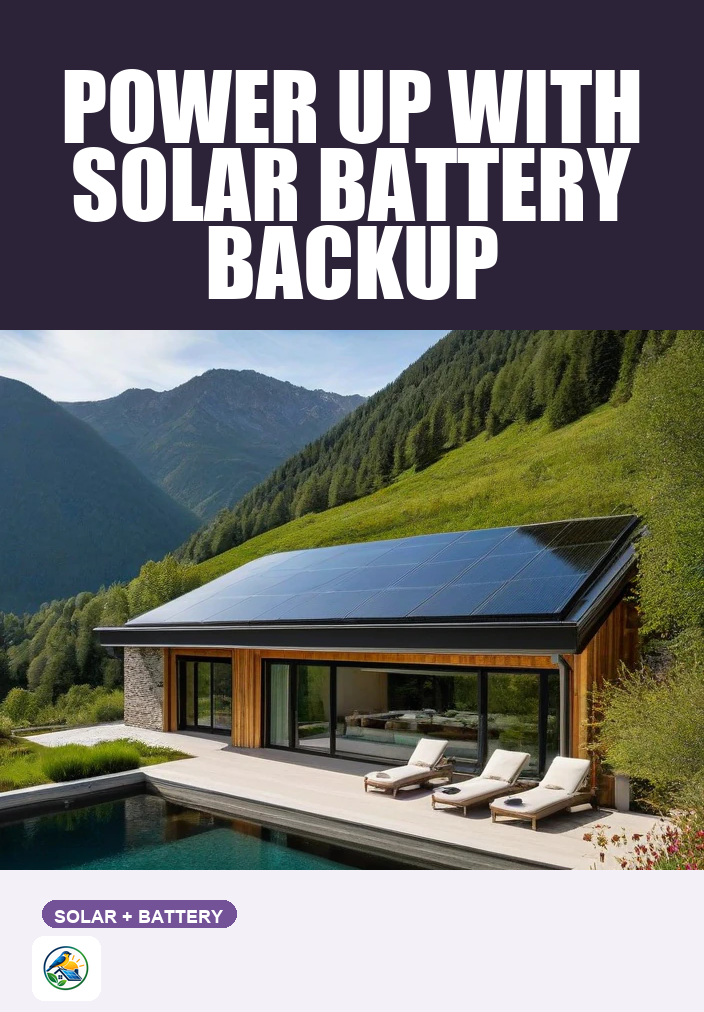
Understanding the Basics: Solar Battery Backup vs. Traditional Generators
When it comes to preparing for power outages, homeowners often find themselves weighing two popular options: solar battery backup systems and traditional generators. Both have their unique advantages and drawbacks, making it crucial to understand how they function, their costs, and their suitability for your specific needs. This guide will help you navigate these choices, ensuring you make an informed decision for your home.
What is a Solar Battery Backup System?
A solar battery backup system stores energy generated by rooftop solar panels during the day for use during power outages or at night. Typically, these systems include solar panels, inverters, and battery storage. The stored energy can power essential devices like refrigerators, lights, and medical equipment, depending on the system’s capacity.
How Does a Traditional Generator Work?
Traditional generators, particularly gas or propane-powered models, provide electricity by burning fuel. When the power goes out, these generators automatically turn on, supplying power to your home. While they can run for extended periods as long as there is fuel, they require regular maintenance and refueling, which can be a hassle during prolonged outages.
Key Differences Between Solar Battery Backup and Traditional Generators
Energy Source
- Solar Battery: Uses renewable energy from the sun; reduces reliance on fossil fuels.
- Generator: Relies on fossil fuels (gas or propane), contributing to greenhouse gas emissions.
Installation and Equipment Costs
- Solar Battery: Initial installation can be higher due to solar panels and battery systems, but maintenance costs are generally lower over time.
- Generator: Typically lower upfront costs, but ongoing fuel and maintenance expenses can add up.
Maintenance Requirements
- Solar Battery: Requires minimal maintenance; batteries should be periodically checked for performance.
- Generator: Needs regular maintenance, including oil changes and fuel management, to keep it operational.
Power Output and Duration
- Solar Battery: Limited by the size of the battery and solar array; may not power your entire home during an outage.
- Generator: Generally can run as long as there is fuel, providing ample power for significant appliances and systems.
Noise Levels
- Solar Battery: Operates silently, making it suitable for residential neighborhoods.
- Generator: Can be quite noisy, which may cause disturbances in residential areas.
Considerations for Homeowners
When deciding between a solar battery backup system and a traditional generator, several factors come into play:
1. Energy Needs
Assess your household’s energy requirements. If you only need to power essential devices, a smaller solar battery may suffice. However, if you want to run multiple appliances or systems, a generator may be more appropriate.
2. Location and Climate
Your geographical location and climate can impact your solar energy production. Homes in sunny areas will benefit more from solar systems, while those in cloudy or rainy regions might find traditional generators more reliable.
3. Roof Condition and Orientation
For a solar battery system, the condition and orientation of your roof are crucial. A roof that is shaded or in poor condition may not be suitable for solar panels. On the other hand, a generator can be placed anywhere outside your home.
4. Budget and Financing
Consider your budget for initial installation and long-term costs. While solar battery systems can be more expensive upfront, they may lead to savings in the long run. Conversely, generators may have lower initial costs but can incur higher operational expenses.
5. Local Utility Policies
Investigate local utility policies regarding net metering for solar systems and any regulations surrounding generator installation. These can vary greatly by location and impact your overall decision.
Practical Examples
Imagine a homeowner in sunny California who wants to ensure their home remains powered during frequent outages. They might opt for a solar battery backup system, allowing them to harness the abundant sunshine for energy storage. Conversely, a homeowner in a rural area with less sunny days might find a traditional generator to be a more dependable option, especially during extended outages.
Making the Decision: Solar Battery Backup or Generator?
Ultimately, the choice between a solar battery backup and a traditional generator depends on your specific circumstances. Consider the following checklist to help make your decision:
- Assess your home’s energy needs and which appliances you want to power during an outage.
- Evaluate your roof condition, orientation, and available sunlight.
- Examine your budget for initial and ongoing costs.
- Investigate local utility policies and incentives for solar systems.
- Consider your long-term energy goals and values regarding sustainability.
Next Steps for Homeowners
To make a well-informed decision, it is advisable to gather quotes from qualified installers for both solar battery backup systems and traditional generators. An itemized quote can provide clarity on initial costs, installation requirements, and any available incentives. Additionally, consulting with professionals can offer insights tailored to your unique property and energy needs, helping you choose the best solution for power outages.


















