Understanding Solar Battery System Sizing
As more homeowners consider integrating solar energy into their residences, the importance of properly sizing a solar battery system cannot be overstated. A correctly sized battery can optimize your energy use, enhance your energy independence, and provide backup power during outages. This article will guide you through the essential steps and considerations for preparing to size your solar battery system effectively.
Assess Your Energy Needs
The first step in sizing your solar battery system is understanding your energy consumption. This involves analyzing your current electricity usage to determine how much energy you will need from your battery. Here’s how to get started:
- Review Your Utility Bills: Look at your monthly electricity bills for at least a year. Pay attention to your average monthly usage in kilowatt-hours (kWh).
- Identify Peak Usage Times: Note when you use the most energy. This information can help you decide how much battery capacity you need for those peak times.
- Consider Future Changes: Think about any changes you anticipate in your energy usage. For instance, if you’re planning to add electric vehicles or major appliances, factor those into your calculations.
Understand Battery Capacity and Power Rating
When sizing a battery system, two critical specifications come into play: capacity and power rating. Understanding these terms is vital for making an informed decision.
Battery Capacity
Capacity is measured in kilowatt-hours (kWh) and indicates how much energy the battery can store. To determine the appropriate capacity, consider the following:
- Calculate your daily energy consumption by averaging your monthly usage. For example, if you use 900 kWh a month, your daily usage is about 30 kWh.
- Decide how many days of autonomy you want. If you wish for your battery to last through a two-day power outage without charging, multiply your daily consumption by two. In this case, 30 kWh x 2 days = 60 kWh capacity needed.
Power Rating
Power rating, measured in kilowatts (kW), indicates how much power the battery can provide at any given moment. This is particularly important for appliances that require a lot of energy to start up. To determine your power needs:
- List all your major appliances and their starting and running wattages. For example, a refrigerator may require 1,200 watts to start but only 200 watts to run.
- Add up the starting wattages of all appliances you expect to run simultaneously to find your total power requirement.
Types of Solar Battery Systems
There are various types of battery systems available, each with advantages and disadvantages. Understanding these can help you choose the right system for your needs:
- Lead-Acid Batteries: Generally less expensive, but have a shorter lifespan and lower depth of discharge.
- Lithium-Ion Batteries: More expensive but offer longer lifespans, higher efficiency, and can be discharged more deeply.
- Flow Batteries: A newer technology providing long life and scalability, but they may not be widely available yet.
Consider Your Solar System’s Configuration
The configuration of your solar system can significantly affect how you size your battery. Here’s what to keep in mind:
- Grid-Tied Systems: These systems allow you to pull energy from the grid when your battery runs low. This means you may not need as large of a battery since you can rely on grid power.
- Off-Grid Systems: If you’re going completely off-grid, your battery must be sized to handle all your energy needs without support from the grid.
- Hybrid Systems: Combination of grid-tied and battery systems; offers flexibility but requires careful sizing based on both solar production and storage needs.
Evaluate Space and Installation Considerations
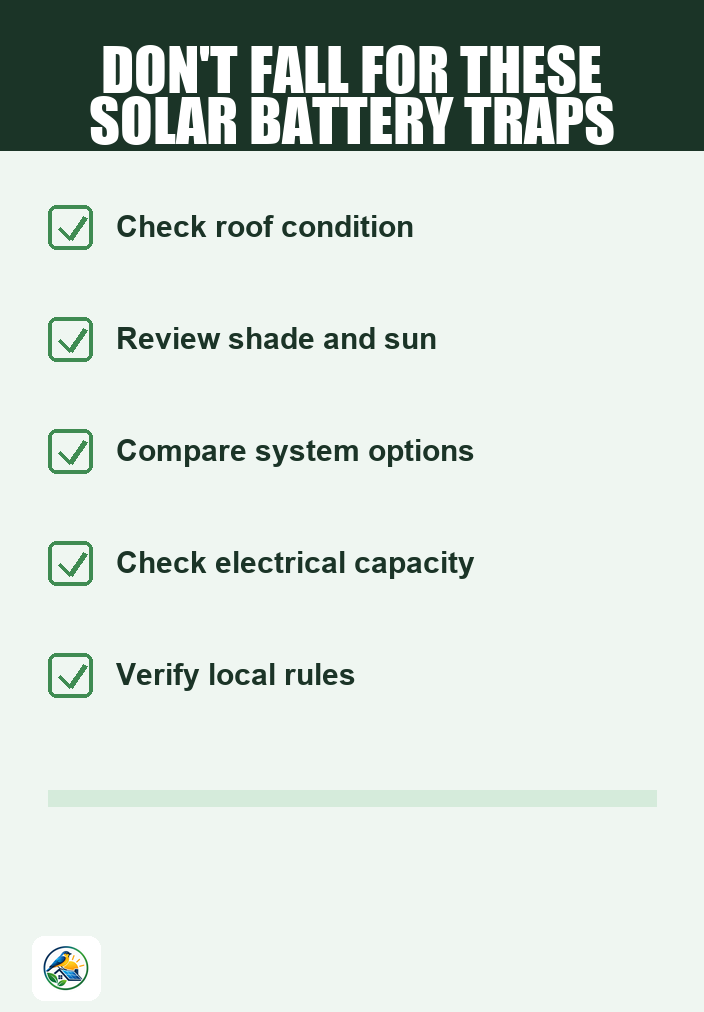
Before selecting a battery, evaluate the space you have available for installation. Considerations include:
- Physical Size: Batteries come in various sizes, and you’ll need adequate space for installation, including clearance for maintenance.
- Ventilation: Some batteries require ventilation to prevent overheating, which may influence installation location.
- Local Regulations: Check local building codes and regulations regarding battery storage and installation, as these can affect your choices.
Consult with Professionals
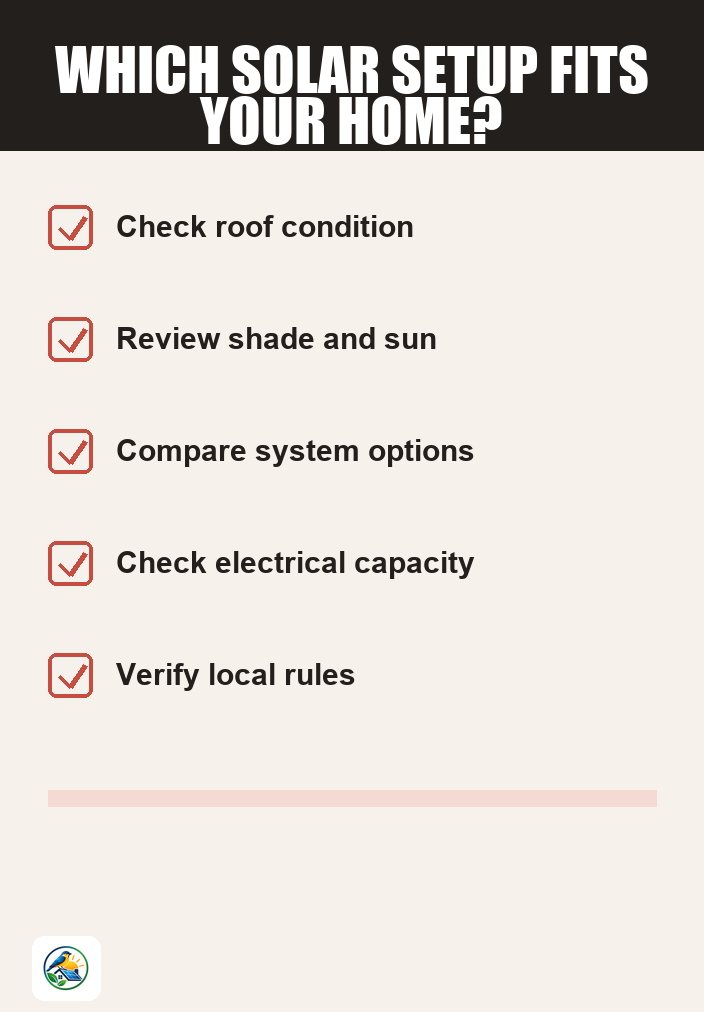
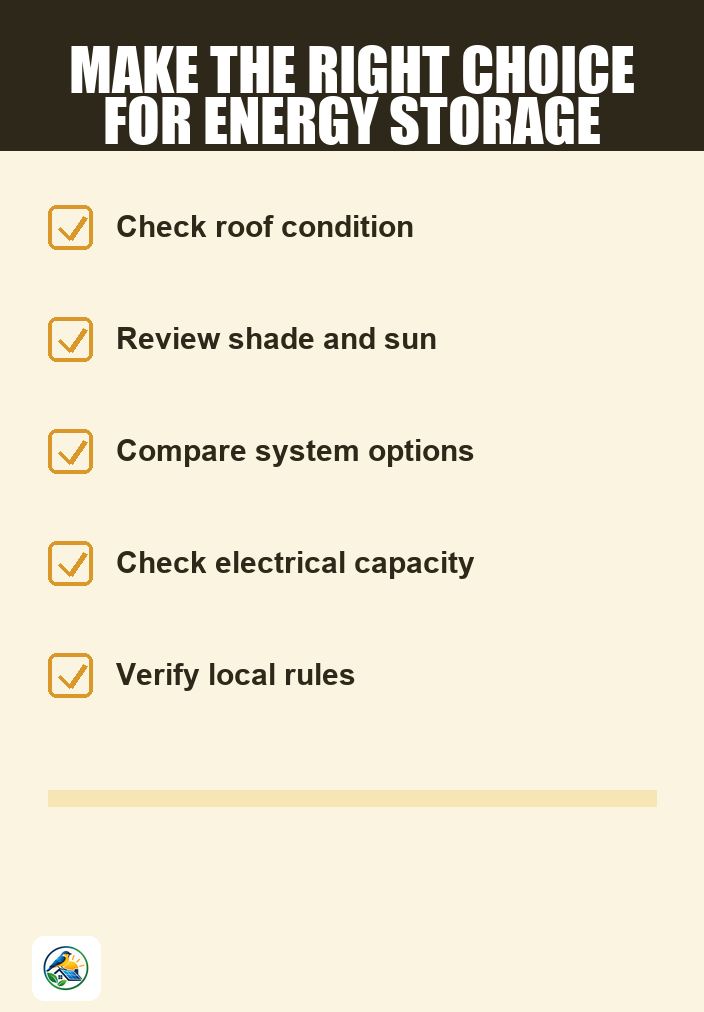
Once you’ve gathered information on your energy needs, battery specifications, and installation considerations, it’s a good idea to consult with qualified solar installers. They can provide comprehensive quotes based on your specific situation. Here’s what to expect during this process:
- Site Assessment: A professional will assess your home, roof condition, and existing electrical system to provide tailored recommendations.
- Itemized Quotes: Request itemized quotes that include the cost of the solar panels, battery system, installation, and any additional equipment needed.
- Financing Options: Discuss financing options available to you and any potential incentives or rebates that may apply to your installation.
Next Steps: Making Your Decision
Preparing for the proper sizing of your solar battery system is an important step in maximizing the benefits of solar energy for your home. With your energy needs assessed, battery specifications understood, and consultations with professionals completed, you’ll be in a better position to make an informed decision.
As you move forward, compare itemized quotes from qualified installers to ensure you understand the costs and benefits associated with your solar battery system. Remember that local utility regulations, incentives, and installation costs can vary widely, so always verify current information before making any commitments.