Understanding Your Financing Options for Solar Installation in Texas
As a Texas homeowner, considering a rooftop solar installation can be an exciting yet daunting venture. With the state’s abundant sunshine, solar energy has become an appealing option for many. However, financing the system without straining your budget requires careful planning and knowledge of your options. This article will guide you through various financing strategies available for solar installation in Texas, helping you make informed decisions that align with your financial situation.
Types of Solar Financing Options
When it comes to financing solar installation, there are several options available. Each has its own advantages and drawbacks, so understanding these can help you choose the best path for your needs.
1. Cash Purchase
Paying for your solar system in cash is the most straightforward option. By doing so, you own your system outright from day one. Benefits include:
- No monthly payments or interest charges.
- You may qualify for certain tax credits and incentives.
- Lower overall costs since you avoid financing fees.
However, the upfront cost can be significant. Ensure that your budget can accommodate this expense without compromising your financial stability.
2. Solar Loans
If paying cash isn’t feasible, solar loans are a popular alternative. These loans allow homeowners to finance their solar system over a period of time, often with fixed interest rates. Key points to consider include:
- Monthly payments can be lower than your current electricity bill, making it easier to manage.
- Many lenders offer specific solar loans with beneficial terms.
- You can still benefit from tax incentives even if you finance the system.
Make sure to compare loan terms and interest rates. The total interest paid over the life of the loan can affect your overall savings.
3. Power Purchase Agreements (PPAs)
With a PPA, you agree to purchase the electricity generated by the solar panels at a predetermined rate. You don’t own the system; instead, a third party installs and maintains it. Benefits include:
- Little to no upfront costs.
- You pay only for the energy produced.
- Maintenance is handled by the solar provider.
However, you might not qualify for tax incentives, and the long-term costs can add up. Carefully evaluate the price per kilowatt-hour in comparison to your current utility rates.
4. Leases
Leasing is similar to a PPA, where you pay a fixed monthly rate to use the solar system. The leasing company owns the equipment. Benefits include:
- No upfront costs.
- Predictable monthly payments.
- Maintenance is typically included.
The downside is that you generally won’t receive tax benefits, and the monthly lease payments contribute to your long-term costs without building equity in the system.
Considerations When Financing Solar
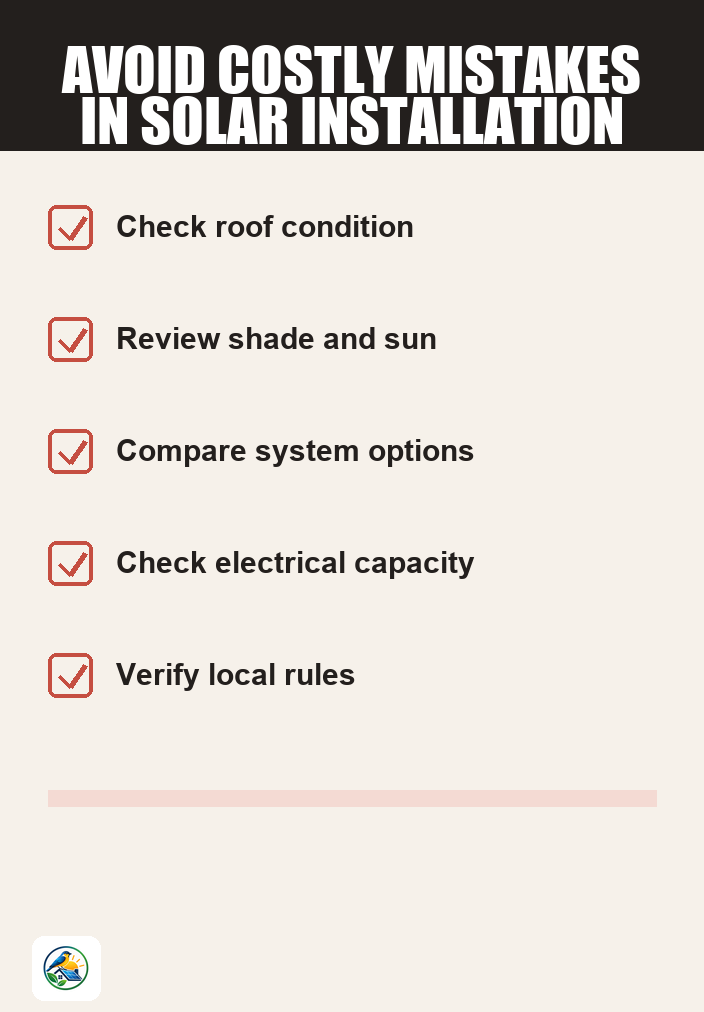
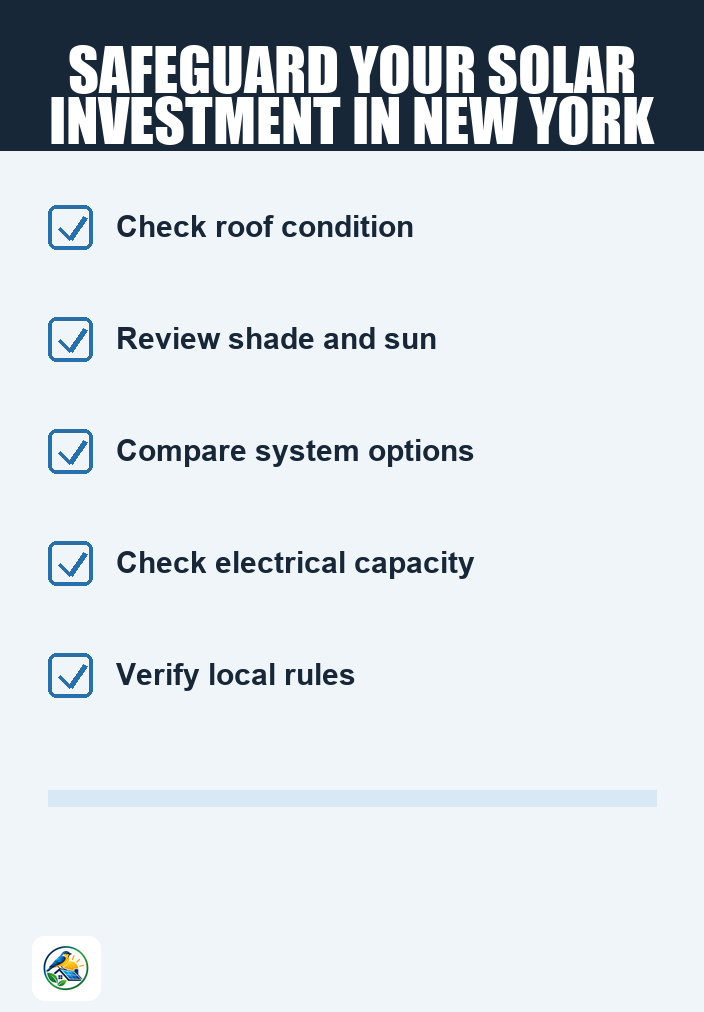
When deciding how to finance your solar installation, there are several factors to consider:
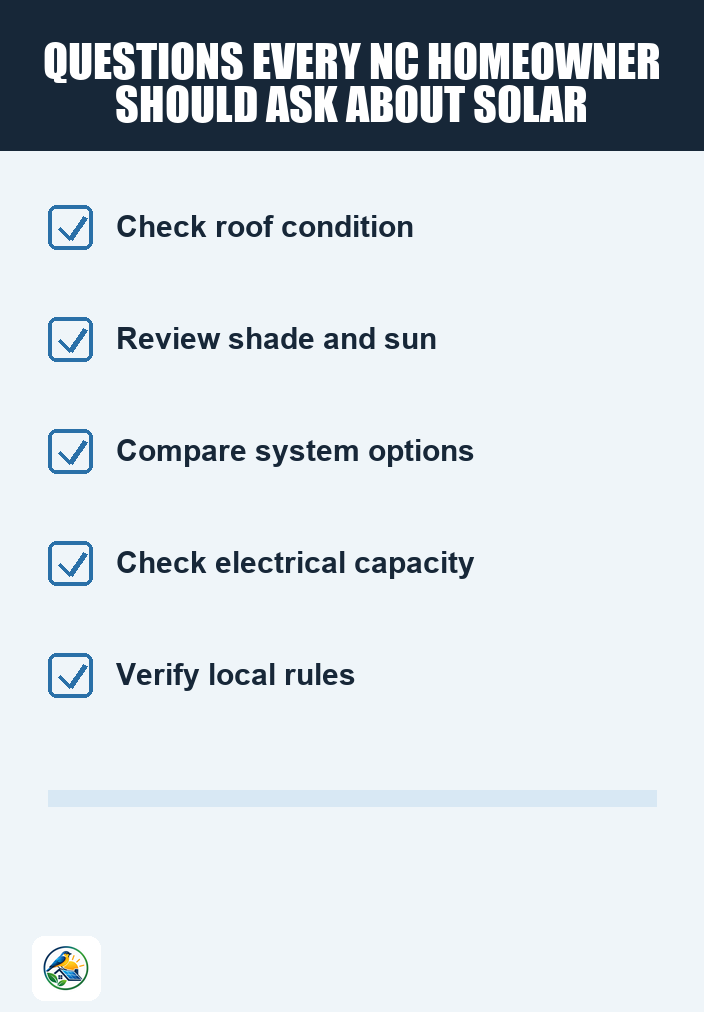
1. Roof Condition and Orientation
Your roof’s condition, angle, and orientation can significantly impact solar efficiency. If your roof requires repairs or is shaded by trees or nearby structures, you may need to address these issues first. An installer’s quote can help you assess the viability of your roof for solar panels.
2. Local Incentives and Utility Policies
Texas does not have a statewide solar incentive program, but local incentives can vary. Be sure to research available rebates, tax credits, and net metering policies in your area. You can typically find this information through your local utility provider or government resources.
3. Long-Term Plans
Consider your long-term plans for your home. If you plan to move in the near future, financing may not be the best option, as it could take time to recoup your investment. If you’re planning on staying long-term, investing in solar can result in significant benefits.
Comparing Quotes from Solar Installers
Once you have a good understanding of your financing options, it’s time to gather quotes from qualified solar installers. Here’s how to approach this process effectively:
- Research local installers with good reputations and customer reviews.
- Request itemized quotes that detail equipment, installation costs, and financing options.
- Compare the quotes not only by price but also by terms, warranties, and the equipment being offered.
- Ask about any additional costs, such as maintenance or insurance.
Having multiple quotes allows you to ask questions and negotiate terms. It also helps you identify what’s standard in your area.
Next Steps for Your Solar Journey
Financing a solar installation in Texas can be manageable with the right approach. By understanding your options, considering your circumstances, and comparing quotes, you can find a solution that works for your budget. Additionally, always verify current incentives and financing rates with local providers to ensure you have the most accurate information.
Embarking on your solar journey involves research and careful consideration, but with thoughtful planning, you can take advantage of Texas’s abundant solar potential without compromising your financial health.