
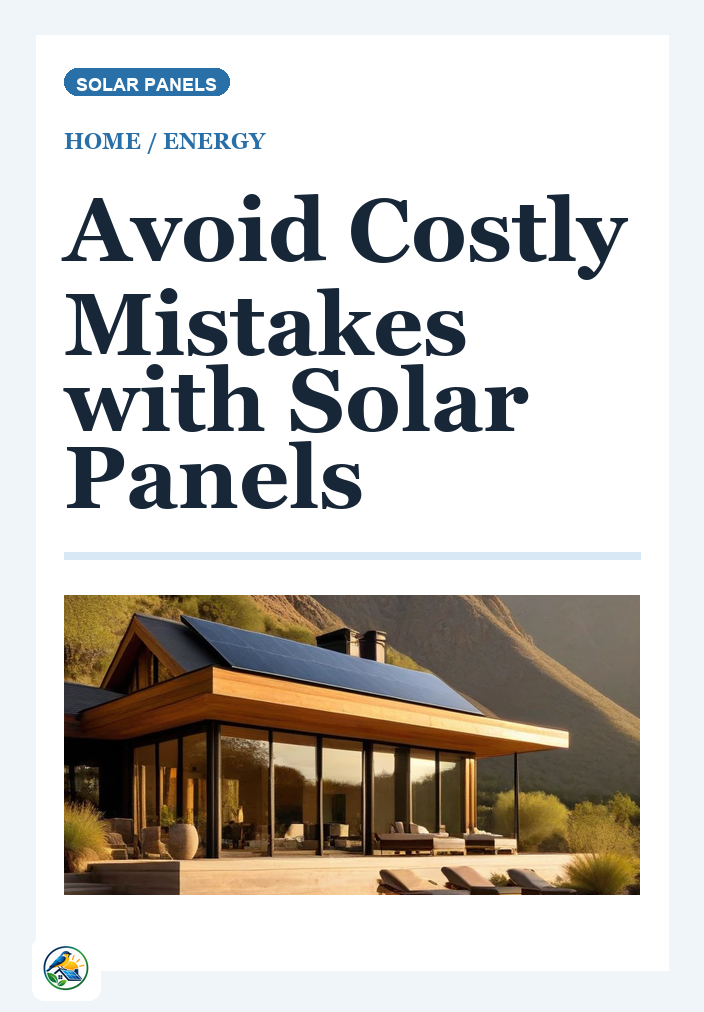
Understanding the Key Differences: Metal Roofs vs. Traditional Roofs for Solar Panel Installation
When considering a rooftop solar system, the type of roof you have can significantly influence both the installation process and the performance of your solar panels. Metal roofs and traditional roofs come with unique advantages and challenges that can affect the success of your solar energy project. Understanding these differences can help you avoid common mistakes and make an informed decision when installing solar panels.
Common Mistakes Homeowners Make with Metal Roofs
1. Overlooking Roof Condition
Before installing solar panels, it’s crucial to assess the condition of your metal roof. Metal roofs are generally durable, but if your roof is older or has existing damage, it may not support the additional weight or require repairs before installation. A professional installer can evaluate the roof’s integrity to ensure it can handle the solar system.
2. Ignoring Proper Mounting Techniques
Metal roofs have unique structural features that require specific mounting techniques. Many homeowners mistakenly assume that standard mounting solutions for traditional roofs will work for metal roofs. Using the wrong mounting system can lead to leaks or inadequate support. Make sure your installer uses appropriate hardware designed for metal roofing.
3. Not Considering Roof Orientation and Design
Even though metal roofs can effectively shed snow and resist wind, their orientation and design can still impact solar energy production. Homeowners often overlook how factors like roof pitch and shading from nearby trees or buildings can affect solar efficiency. A detailed site assessment by your installer can help identify the best areas for panel placement.
4. Failing to Plan for Future Maintenance
Metal roofs are low-maintenance, but solar panels can complicate access for future roof repairs or maintenance. Some homeowners neglect to discuss maintenance plans with their installers, leading to difficulties down the line. Ensure your installation allows for easy access to both the panels and the roof.
Common Mistakes Homeowners Make with Traditional Roofs
1. Choosing the Wrong Shingle Type
Traditional roofs, often made from asphalt shingles, can vary significantly in quality. Homeowners sometimes select cheaper shingles that may not withstand the weight of solar panels or may degrade faster under the heat generated by the panels. It’s advisable to discuss shingle types with your installer to ensure compatibility with solar installation.
2. Neglecting Roof Age and Condition
Similar to metal roofs, the age and condition of a traditional roof can affect solar panel installation. A roof nearing the end of its lifespan may require replacement before solar panels can be added, leading to additional costs. A thorough inspection should be done to determine if the roof is in good condition.
3. Misunderstanding Installation Techniques
Installing solar panels on traditional roofs requires different techniques than on metal roofs. Homeowners may not realize that some methods used for asphalt shingles can void warranties or lead to leaks if not installed correctly. It is crucial to hire a qualified installer with experience in working with your specific roof type.
4. Ignoring Local Building Codes
Many homeowners overlook local building codes and permitting requirements for solar panel installations. Traditional roofs may have specific regulations that differ from metal roofs. Failing to comply with these rules can lead to fines or the need to remove and reinstall panels. Consulting with your installer about local codes can help ensure compliance.
Comparing Metal Roofs and Traditional Roofs for Solar Installation
When weighing the pros and cons of metal versus traditional roofs for solar installations, consider the following factors:
- Durability: Metal roofs often last longer than traditional roofs, making them a better long-term investment for solar installations.
- Weight: Metal roofs can handle the weight of solar panels better than some traditional roofs, but this depends on the roof’s condition.
- Installation Complexity: Metal roofs may require specialized mounting systems, while traditional roofs may have more straightforward installation methods.
- Shading and Orientation: Both roof types can present challenges regarding shading and orientation, impacting solar efficiency.
- Maintenance Access: Consider how easy it will be to access the roof for maintenance after installation, as this can differ significantly between roof types.
Practical Next Steps for Homeowners Considering Solar
When contemplating a solar panel installation, it’s essential to gather detailed, itemized quotes from qualified installers. This will help you understand the specific costs and requirements associated with your roof type. Consider the following steps:
- Assess the condition and type of your roof.
- Consult with multiple solar installers to get quotes and ask about their experience with your roof type.
- Discuss potential installation techniques and maintenance plans with your installer.
- Verify local building codes and permitting requirements to ensure compliance.
- Evaluate your energy needs and how they align with solar options, including battery backups if desired.
By understanding the differences between metal roofs and traditional roofs, and by avoiding common installation mistakes, you can make a more informed decision about integrating solar panels into your home. Always consult with professionals to ensure that your installation meets safety standards and maximizes efficiency.


















