
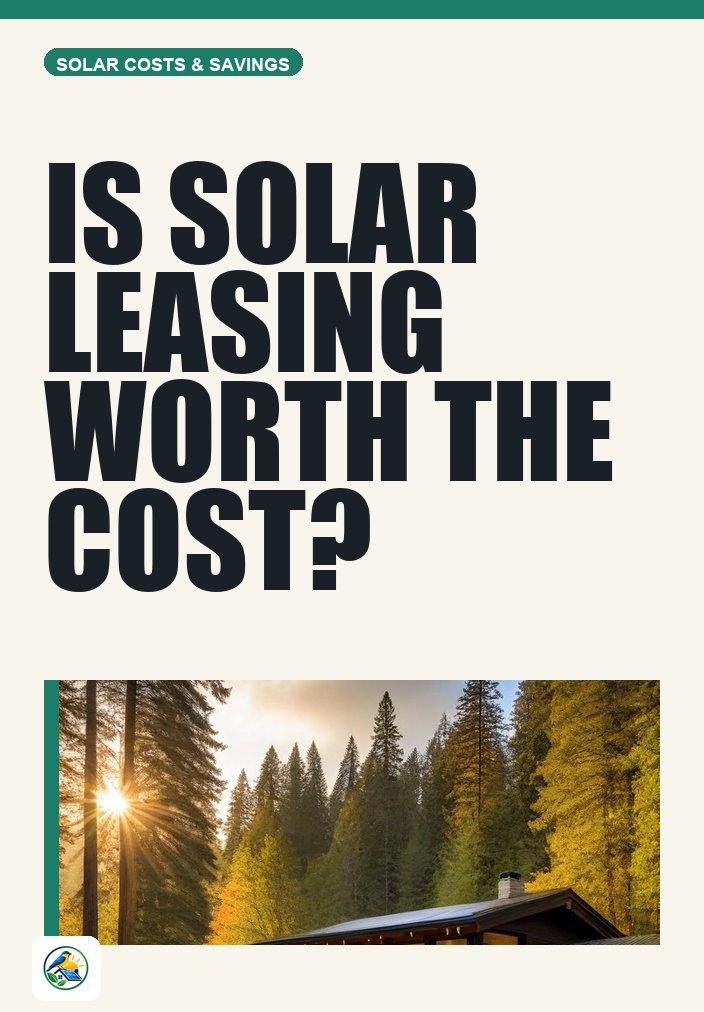
Understanding Solar Leases and Ownership: Key Financial Considerations
As solar energy gains popularity across the U.S., many homeowners are exploring options for installing rooftop solar systems. When considering solar, two primary financing methods emerge: leasing and ownership. Each option has distinct financial implications that can significantly impact your overall costs, savings, and lifestyle. This article aims to clarify the differences between solar leases and owned panels, helping you make an informed decision.
Solar Leases: What You Need to Know
A solar lease allows homeowners to install solar panels on their property without the upfront cost of purchasing the system. Instead, the homeowner pays a fixed monthly fee to the solar provider for the use of the equipment. Here’s a breakdown of the key features:
- No Upfront Costs: Homeowners typically pay little to nothing upfront, making solar accessible for many.
- Fixed Monthly Payments: Monthly fees are generally stable, providing predictability in your budget.
- Maintenance and Monitoring: The leasing company often handles maintenance and monitoring, minimizing the homeowner’s responsibilities.
Considerations for Choosing a Solar Lease
While the prospect of a solar lease may seem appealing, several factors should be considered:
- Ownership and Equity: Since you do not own the solar panels, you won’t build equity in the system. This can affect your home’s resale value.
- Long-Term Commitment: Leases usually last 20 to 25 years, and breaking a lease early can come with penalties.
- Limited Savings Potential: While leasing can reduce your electricity bill, the savings may be less significant compared to owning the system outright.
Owning Your Solar Panels: The Financial Perspective
When you purchase solar panels, either outright or through financing, you assume full ownership of the system. This option can provide a different set of financial implications:
- Initial Investment: Buying solar panels often requires a significant upfront payment or a loan, which can be a barrier for some homeowners.
- Potential for Savings: Owners can benefit from tax credits, rebates, and net metering, potentially leading to larger savings over time.
- Increased Home Value: Owned solar systems can enhance the resale value of a home, as buyers often find solar-equipped homes attractive.
Important Factors When Considering Ownership
Owning solar panels also comes with its own considerations:
- Maintenance Responsibilities: Homeowners are responsible for the upkeep and monitoring of their systems, which may require additional costs.
- Financing Costs: If financing the purchase, homeowners should consider interest rates and loan terms, which can impact overall savings.
- Incentives and Rebates: Accessing available incentives requires careful research, as these can vary significantly by location and may change over time.
Comparing Financial Implications: Lease vs. Ownership
To help visualize the differences, let’s compare the typical financial implications of leasing versus owning solar panels:
| Solar Lease | Owned Panels | |
|---|---|---|
| Upfront Costs | Low to None | High (or financed) |
| Monthly Payment | Fixed Lease Payment | Loan Payment (if financed) or No Payment (if bought outright) |
| Maintenance | Provider Responsible | Homeowner Responsible |
| Tax Benefits | None | Eligible for Federal and State Incentives |
| Home Value Impact | Limited | Potential Increase |
Example Scenarios
Let’s consider different homeowner scenarios to illustrate how these options might play out:
- Scenario 1: Young Family in a Starter Home – A family with limited cash flow might find a solar lease appealing, allowing them to benefit from solar energy without a hefty upfront investment.
- Scenario 2: Long-Term Homeowner Planning for Retirement – A homeowner looking to stay in their home for the long term may prefer purchasing the system to maximize savings and increase property value.
- Scenario 3: Environmentally-Conscious Investor – An eco-conscious homeowner may be motivated to own their solar panels for both the financial incentives and the satisfaction of owning a renewable energy source.
Key Considerations for Homeowners
Before making a decision, homeowners should evaluate their unique situations:
- Roof Condition: Ensure your roof is in good condition, as any necessary repairs can add to installation costs.
- Shade and Orientation: Analyze how shading from trees or other buildings may affect solar panel performance.
- Local Incentives: Research current incentives, credits, and financing options available in your area.
- Long-Term Plans: Consider whether you plan to stay in your home long enough to recoup your investment.
Next Steps: Making Your Decision
Deciding between a solar lease and owning your panels involves careful consideration of your financial situation, future plans, and local conditions. To help make an informed choice, it’s advisable to:
- Compare itemized quotes from qualified solar installers, ensuring you understand all costs and potential savings.
- Consult local utility providers for information on net metering and interconnection rules.
- Verify any current incentives or tax credits with a tax professional or local government resource.
By weighing these factors and exploring both options, you can make a decision that aligns with your financial goals and energy needs.


















