
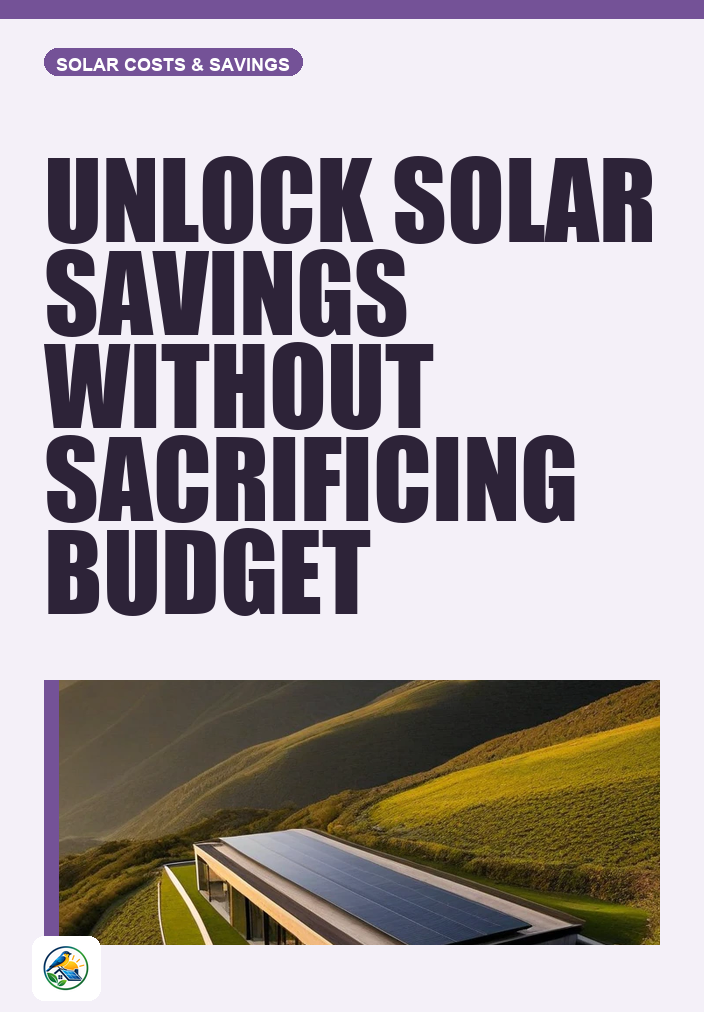
Understanding the Basics of Solar Energy for Your Home
High electricity bills can be a burden for homeowners, especially as energy costs continue to rise. One solution that many are exploring is residential solar energy systems. However, the idea of going solar often raises questions about affordability, installation, and potential savings. This article aims to guide you through the process of reducing your electricity expenses with solar energy without straining your budget.
Evaluating Your Home for Solar Potential
Before diving into solar installation, it’s essential to assess your home’s suitability for a solar system. Here are some key factors to consider:
- Roof Condition: Ensure your roof is in good shape. If it needs repairs or replacement, consider addressing that before installing solar panels.
- Roof Orientation and Angle: South-facing roofs typically receive the most sunlight, but east and west can also be effective. The angle of your roof can also impact efficiency.
- Shade: Trees, buildings, or other obstructions can limit sunlight exposure. If your roof is shaded for significant parts of the day, solar may be less effective.
- Electrical System: Older electrical systems may need upgrades to handle the demands of a solar installation. Consult with a professional to assess your current setup.
Types of Solar Systems to Consider
When considering solar, you generally have a few options:
- Grid-Tied Systems: These systems are connected to the utility grid. They allow you to draw power from the grid when your solar system isn’t producing enough electricity and can feed excess energy back into the grid, often resulting in net metering credits.
- Battery Backup Systems: Adding a battery to your solar system allows you to store excess energy generated during the day for use at night or during outages. While this adds initial costs, it can provide peace of mind during power interruptions.
- Off-Grid Systems: These systems operate independently of the utility grid. They require a larger upfront investment due to the need for battery storage and may not be suitable for every homeowner.
Understanding Costs and Financing Options
The cost of a solar system can vary significantly based on equipment, installation, and any additional features like battery storage. Here are some factors that can influence the overall expense:
- Equipment Quality: Higher-quality panels and inverters may come with a premium price tag but can offer better efficiency and longevity.
- Installation Costs: Professional installation is recommended to ensure safety and compliance with local codes. Get itemized quotes from multiple qualified installers to compare costs and services.
- Financing Options: Many homeowners choose to finance their solar systems through loans or leases. Be sure to compare interest rates, terms, and any potential fees.
Exploring Incentives and Rebates
Incentives can significantly impact the overall cost of going solar, but they vary by location and can change over time. Here are a few common types of incentives to research:
- Federal Tax Credits: While federal tax credits have been available, verify the current percentage and requirements, as they can change based on legislation.
- State and Local Incentives: Many states and municipalities offer additional rebates or incentives for solar installation. Check with local government resources for the most current information.
- Utility Programs: Some utility companies have programs to encourage solar adoption, such as rebates for installation or net metering policies. Confirm the specifics with your local utility provider.
Making the Decision: When to Get Quotes
Once you’ve assessed your home and considered financing options, it’s time to get quotes from professional solar installers. Here’s how to approach this process:
- Research Qualified Installers: Look for licensed and insured installers with good reviews. Ask for references to ensure they have a solid reputation.
- Request Detailed Quotes: Ensure each quote includes an itemized breakdown of equipment, labor, and any additional costs. This transparency will help you compare offers accurately.
- Consider Warranties: Ask about warranties on equipment and installation. A longer warranty can indicate a manufacturer’s confidence in their product.
Potential Drawbacks to Consider
While solar energy can offer many benefits, it’s essential to be aware of potential drawbacks:
- Initial Investment: Even with incentives, the upfront costs can be substantial, and financing options may lead to long-term payment commitments.
- Weather Dependency: Solar energy production is affected by weather conditions and seasonal changes in sunlight availability, which can impact energy production.
- Maintenance and Upkeep: Solar systems require occasional maintenance, such as cleaning panels and inspecting equipment, which can add to ongoing costs.
- Permitting and Regulations: Navigating local permitting and regulations can be time-consuming. Research your area’s requirements ahead of time.
Next Steps Towards Solar Adoption
Reducing high electricity bills with solar is a feasible option for many homeowners, but it requires careful planning and consideration. Whether you are ready to take the plunge or still weighing your options, it’s crucial to gather information and seek out professional guidance.
Start by assessing your home’s suitability for solar, exploring financing options, and researching incentives. When you’re ready, compare itemized quotes from qualified installers to make an informed decision. Remember, solar isn’t a one-size-fits-all solution—your unique situation will guide your choice.


















