
Slash Your High Electricity Bills: Why Solar Power is the Smart Solution for Your Home
As a U.S. homeowner, you may be feeling the pinch from rising electricity bills. If you find yourself searching for ways to reduce these costs, solar power could be a viable solution. However, before jumping in, it’s essential to understand the options available, the trade-offs involved, and how solar energy might fit your home and lifestyle.
Understanding Solar Power for Your Home
Solar power harnesses energy from the sun to generate electricity. When considering a solar system for your home, you’ll typically encounter two main types: grid-tied systems, which connect directly to the electricity grid, and off-grid systems, which operate independently. Additionally, there are hybrid systems that combine solar panels with a battery backup for extra reliability.
Grid-Tied Systems
Grid-tied solar systems are the most common. They allow homeowners to draw electricity from the grid when the solar system isn’t producing enough power, such as at night or during cloudy weather. This type also enables net metering, which can provide credits for excess energy generated by your solar panels and sent back to the grid.
Off-Grid Systems
Off-grid solar systems are designed for homes that are not connected to the grid. They require battery storage to provide power when the sun isn’t shining. While these systems can offer energy independence, they typically come with higher installation and maintenance costs.
Hybrid Systems with Battery Backup
Hybrid systems combine the benefits of grid-tied and off-grid systems. They allow you to store energy in batteries for use during power outages or peak demand hours. However, the upfront costs for a hybrid system are generally higher due to the added battery installation.
Why Consider Solar Power?
Transitioning to solar power can bring several advantages to your household. Here are some reasons why it might be a smart decision:
- Potential Cost Savings: Solar systems can reduce or even eliminate your electricity bills, depending on your energy consumption and system size.
- Energy Independence: Generating your own power can shield you from rising energy costs and provide stability against fluctuating utility rates.
- Environmental Benefits: Solar energy is renewable and produces minimal environmental impact compared to fossil fuels.
- Increased Home Value: Homes with solar installations may attract more buyers and sell at a premium, though this can vary by region.
Considerations Before Going Solar
While solar power has its benefits, it’s not a one-size-fits-all solution. Here are some factors to consider before making the switch:
Roof Condition and Orientation
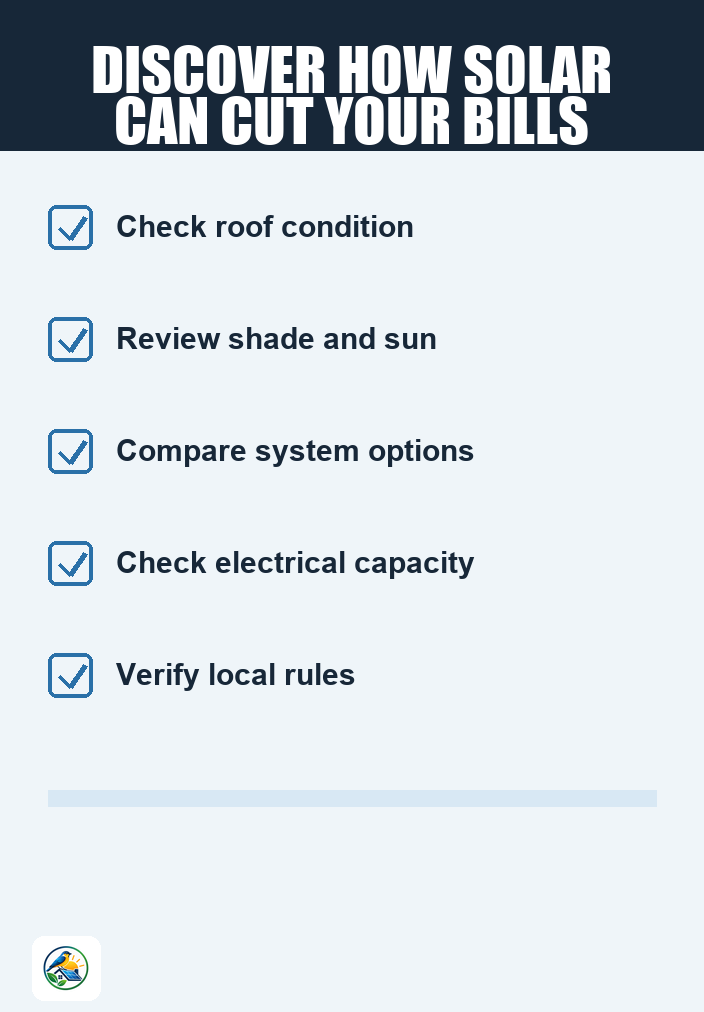
Your roof’s condition, material, and orientation can significantly impact the effectiveness of a solar system. Ideally, a roof should be in good shape, facing south for optimal sun exposure, and free from shade from nearby trees or buildings.
Local Climate
Climate plays a pivotal role in solar energy production. Homes in sunny regions may see a higher return on investment compared to those in consistently overcast areas. However, even homes in less sunny climates can benefit from solar energy, depending on energy needs and system efficiency.
Utility Policies and Incentives
Utility rules regarding net metering, interconnection, and rebates can vary significantly by location. Check with your local utility provider to understand their policies and any available incentives. Additionally, federal, state, and local incentives may change, so be sure to verify current offerings.
Financing Options
Solar installation costs can vary widely, and financing options such as loans, leases, or power purchase agreements (PPAs) can affect your long-term savings. Be sure to review the terms and conditions of financing, including interest rates and any fees, to determine the best option for your situation.
Maintenance and Upkeep
While solar systems typically require minimal maintenance, it’s important to keep them clean and free of debris. Depending on your location, occasional professional inspections may be necessary to ensure optimal performance.
Getting the Right Size System
Determining the right size for your solar system involves assessing your household’s energy consumption, roof space, and budget. A professional installer can help you calculate your energy needs and recommend an appropriately sized system. Here’s a general checklist to keep in mind:
- Review your past electricity bills to gauge your monthly energy usage.
- Consider any upcoming changes in energy consumption, such as adding electric vehicles or home appliances.
- Evaluate your roof space and the amount of sunlight it receives throughout the day.
- Consult with a solar installer to assess system sizes and costs based on your specific needs.
Why Get Professional Quotes?
Gathering quotes from qualified solar installers is a critical step in the decision-making process. A professional assessment can provide you with detailed information tailored to your home. Here’s what to expect from a professional quote:
- Site Assessment: An installer will evaluate your roof, energy needs, and local conditions.
- Itemized Breakdown: A detailed quote will outline equipment costs, installation fees, and any additional services.
- Incentives Information: Installers can provide information on current incentives and financing options available in your area.
Next Steps
If you’re serious about reducing your electricity bills and considering solar power, start by researching qualified installers in your area. Request multiple quotes to compare itemized costs and services. Remember to verify any current incentives and financing options to make an informed decision.
By taking the time to understand your options and the specifics of solar power, you can confidently determine if this renewable energy source is the right fit for your home and lifestyle.


















