
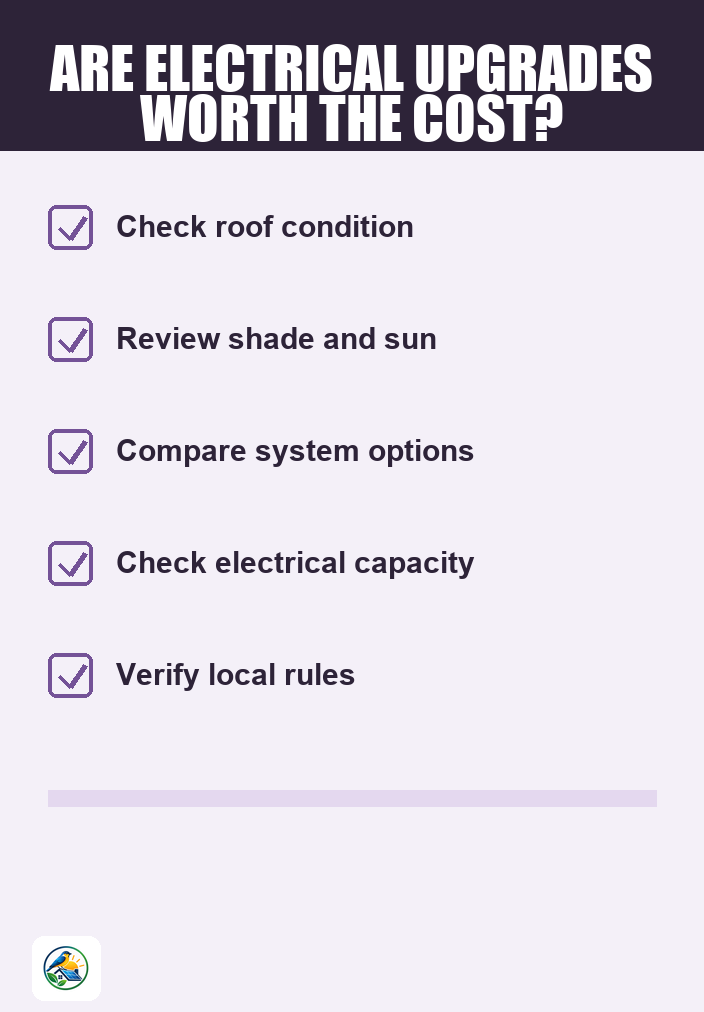
Understanding the Financial Implications of Electrical Upgrades for Solar Installation
As more homeowners consider harnessing solar energy, understanding the financial implications of electrical upgrades associated with a solar installation becomes crucial. While solar panels can provide significant long-term benefits, the upfront costs, including necessary electrical system upgrades, can vary widely. This article will explore the various factors homeowners should consider when evaluating the financial impact of electrical upgrades for solar energy systems.
Why Electrical Upgrades Matter for Solar Installation
Before installing a solar energy system, it’s essential to evaluate your home’s electrical infrastructure. Depending on your current electrical setup, you may need to make upgrades to ensure your system operates efficiently and safely. Here are some considerations:
- Compatibility: Your existing electrical panel must be compatible with the new solar system. Older panels may not handle the additional load.
- Capacity: If your electrical panel is undersized, it may require an upgrade to accommodate the power generated by your solar system.
- Wiring and Circuitry: Outdated or inadequate wiring may need replacement to ensure the system meets safety codes and operates efficiently.
Evaluating the Need for Electrical Upgrades
Determining whether you need electrical upgrades involves a thorough assessment of your current system. Here are practical steps to help you evaluate:
- Conduct a Home Energy Audit: This will help identify inefficiencies in your existing electrical system and whether upgrades are required.
- Consult with a Professional Installer: A qualified solar installer can assess your electrical system and provide recommendations based on your specific needs.
- Review Local Codes and Regulations: Ensure your system complies with local regulations and utility requirements, which may dictate necessary upgrades.
Cost Considerations for Electrical Upgrades
The costs associated with electrical upgrades can vary significantly based on several factors:
- Panel Upgrade Costs: Upgrading an electrical panel can range from a few hundred to several thousand dollars, depending on the size and complexity.
- Wiring and Circuit Replacement: The cost of replacing outdated wiring or adding new circuits can add to the overall budget. This might range from $1,000 to $3,000 or more, depending on the extent of work needed.
- Permitting Fees: Depending on your location, you may need to pay for permits associated with electrical upgrades. These fees vary widely and should be factored into your budget.
Comparing Costs of Solar Systems with and without Upgrades
When considering whether to proceed with solar installation, you may want to compare costs with and without electrical upgrades. Here’s a simplified breakdown:
- Without Upgrades:
- Lower upfront costs if no upgrades are necessary.
- Risk of decreased efficiency or safety issues if the system cannot handle the load.
- With Upgrades:
- Higher upfront investment due to upgrade costs.
- Potential for increased efficiency and safety, leading to better long-term performance.
Incentives and Financing for Electrical Upgrades
Many homeowners look for ways to offset the costs of solar installation and electrical upgrades through incentives and financing options. Here are a few points to consider:
- Local Incentives: Some states and municipalities offer incentives for electrical upgrades that are part of a solar installation. Check with local energy offices for available programs.
- Solar Financing: Many solar installers offer financing options that can include the costs of necessary electrical upgrades. Review terms carefully to understand interest rates and repayment schedules.
- Tax Credits: While there may be federal tax credits available for solar installations, consult with a tax professional to verify current eligibility and details.
Long-Term Financial Impact of Electrical Upgrades
While electrical upgrades may increase initial costs, they can have significant long-term financial implications. Here are aspects to consider:
- Increased Property Value: A well-installed solar system with necessary upgrades can enhance the overall value of your home.
- Lower Utility Bills: A properly functioning solar system can lead to reduced energy costs, potentially offsetting the initial upgrade expenses over time.
- Insurance Considerations: Upgraded electrical systems may lower your homeowner’s insurance premiums. Consult your insurance provider for specifics.
When to Get Professional Quotes
Obtaining quotes from professional solar installers is an essential step in the decision-making process. Here are scenarios when you should seek these quotes:
- If your home requires significant electrical upgrades.
- When comparing different solar systems and their associated costs, including electrical work.
- If you’re unsure about local codes and what upgrades may be necessary to comply with regulations.
Conclusion: Next Steps for Homeowners
Understanding the financial implications of electrical upgrades for solar installation is vital for homeowners considering this renewable energy option. Be sure to conduct a thorough evaluation of your electrical system, consider the costs of potential upgrades, and consult with professional installers for accurate quotes. By comparing itemized quotes from qualified installers, you can make an informed decision that best fits your home and financial situation.


















