Understanding Solar and Battery Systems for Well Pumps
As a homeowner, you may be considering the integration of solar energy and battery systems to power your well pump. This choice can offer a reliable and sustainable solution for water extraction, particularly in areas where access to the grid is limited or where utility costs are high. However, there are several factors to take into account before making this investment.
Key Components of Solar Well Pump Systems
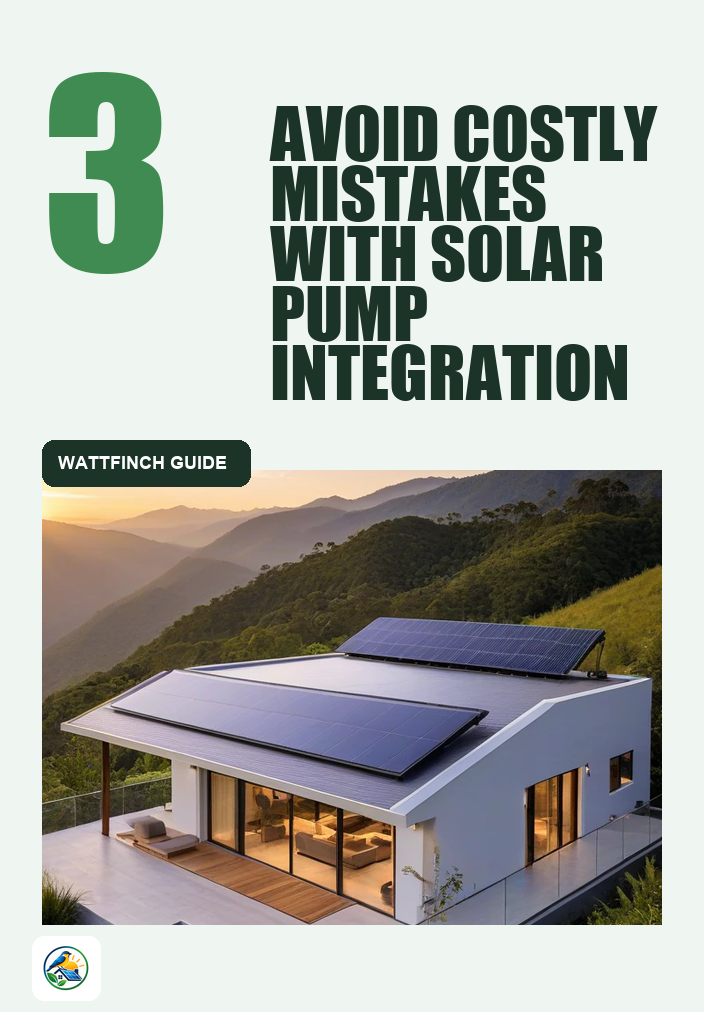
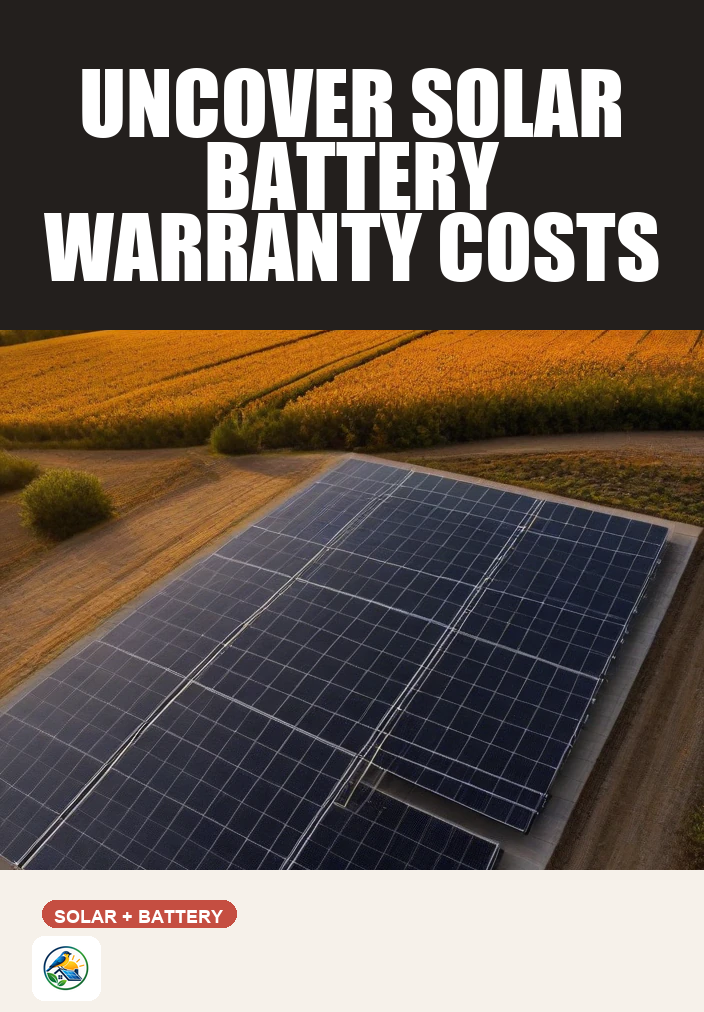
A solar-powered well pump system typically consists of three primary components: solar panels, a pump, and a battery storage system. Understanding each component and how they work together can help you make a more informed decision.
Solar Panels
Solar panels convert sunlight into electricity. The amount of electricity generated depends on several factors, including the size of the solar array, the orientation and angle of the panels, and local climate conditions. When assessing solar panels for your well pump, consider the following:
- System Size: The size of your solar array will depend on your specific water needs and the power requirements of your pump.
- Location: The amount of sunlight your property receives throughout the year will influence energy production. Homes in sunnier regions may require fewer panels than those in cloudier areas.
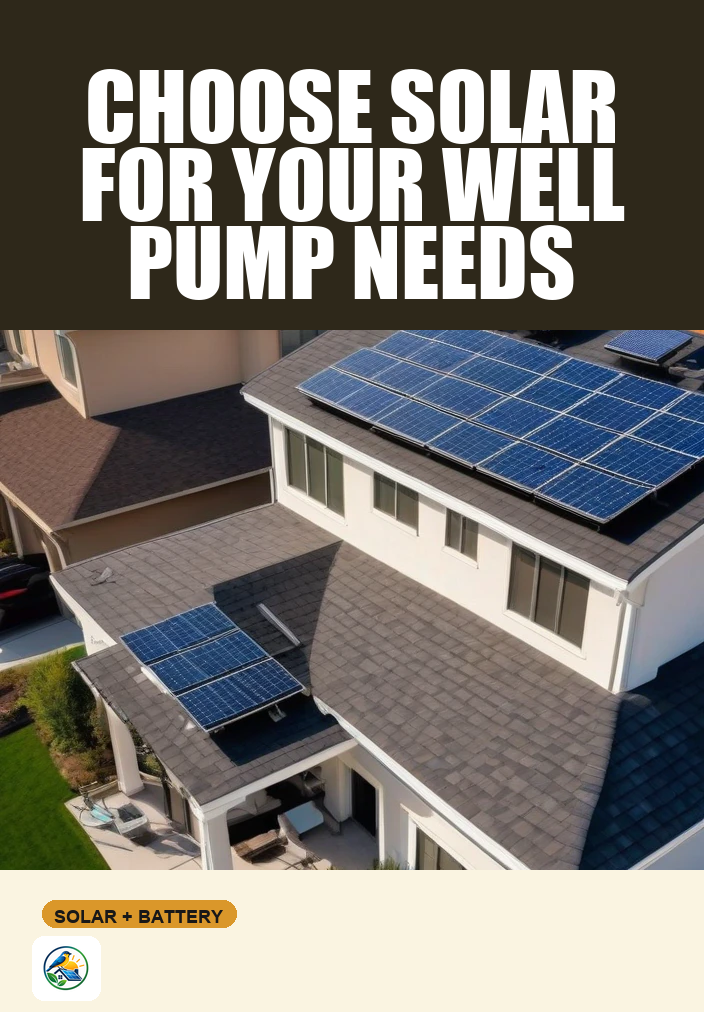
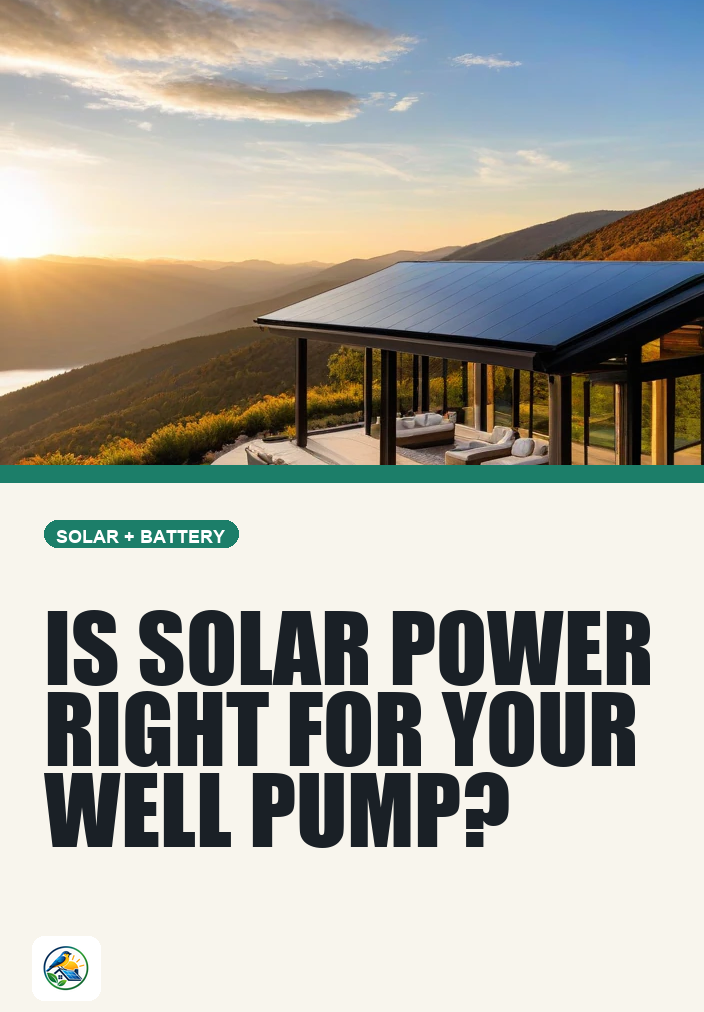
- Installation: Roof-mounted panels are common, but ground-mounted systems may be more suitable depending on your property layout.
Well Pump
There are different types of well pumps, including submersible and jet pumps, and each type has specific energy requirements. When selecting a pump, keep in mind:
- Power Requirements: Ensure the pump’s power needs align with the output of your solar system.
- Flow Rate: Consider how much water you need to pump daily, as this impacts the sizing of both the pump and the solar array.
Battery Storage
A battery storage system allows you to store excess energy generated by your solar panels for use when sunlight is not available, such as during nighttime or cloudy days. Important considerations include:
- Capacity: The battery’s capacity should be sufficient to cover your pump’s energy needs during non-sunny periods.
- Type: Different battery types (e.g., lithium-ion, lead-acid) have varying lifespans, costs, and maintenance requirements.
Benefits of Solar and Battery Systems for Well Pumps
Integrating solar energy and battery systems offers several advantages:
- Energy Independence: Solar systems can reduce reliance on the grid, making your water supply more resilient against power outages.
- Environmental Impact: Utilizing renewable energy contributes to reducing your carbon footprint.
- Operational Costs: While initial installation can be costly, solar systems can lead to lower utility costs in the long run.
Potential Drawbacks and Considerations
While there are clear benefits to using solar and battery systems for well pumps, it’s essential to consider potential drawbacks:
- Initial Costs: The upfront cost of solar panels, batteries, and installation can be significant.
- Space Requirements: Adequate space is necessary for solar panel installation, which may be a challenge for some properties.
- Maintenance: Solar systems require periodic maintenance, including cleaning panels and monitoring battery health.
- Weather Variability: Energy production can be impacted by local weather conditions, which may affect your water supply during prolonged cloudy or rainy periods.
Grid-Tied vs. Off-Grid Systems
When considering a solar and battery system for your well pump, you have options regarding how the system is connected to the grid:
Grid-Tied Systems
Grid-tied solar systems are connected to your local utility grid. They allow you to draw energy from the grid when solar production is insufficient. Benefits include:
- Access to net metering, where you can receive credits for excess energy produced.
- Reduced need for battery storage, as you can rely on the grid during low production periods.
Off-Grid Systems
Off-grid systems are completely independent of the utility grid, relying solely on solar panels and battery storage. This option is ideal for remote properties but requires careful planning:
- Higher initial investment due to the need for sufficient battery storage.
- Increased maintenance and monitoring responsibilities to ensure water supply continuity.
Assessing Your Property and Needs
Before pursuing a solar and battery system for your well pump, it’s crucial to assess your specific property and water needs:
- Water Usage: Analyze your daily and seasonal water requirements to determine the appropriate system size.
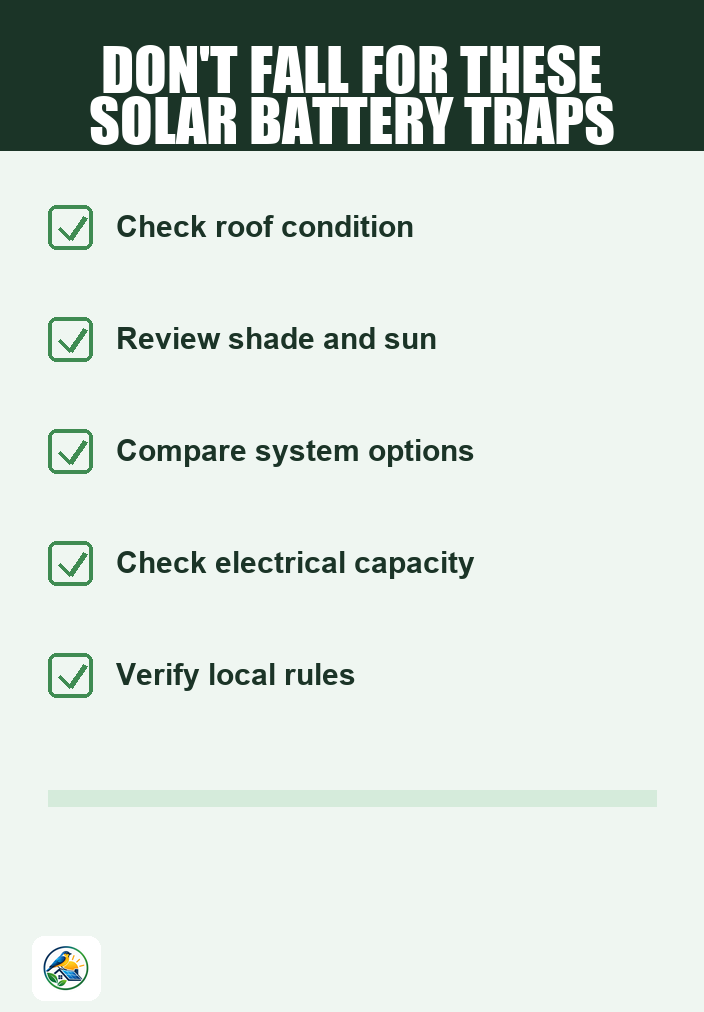
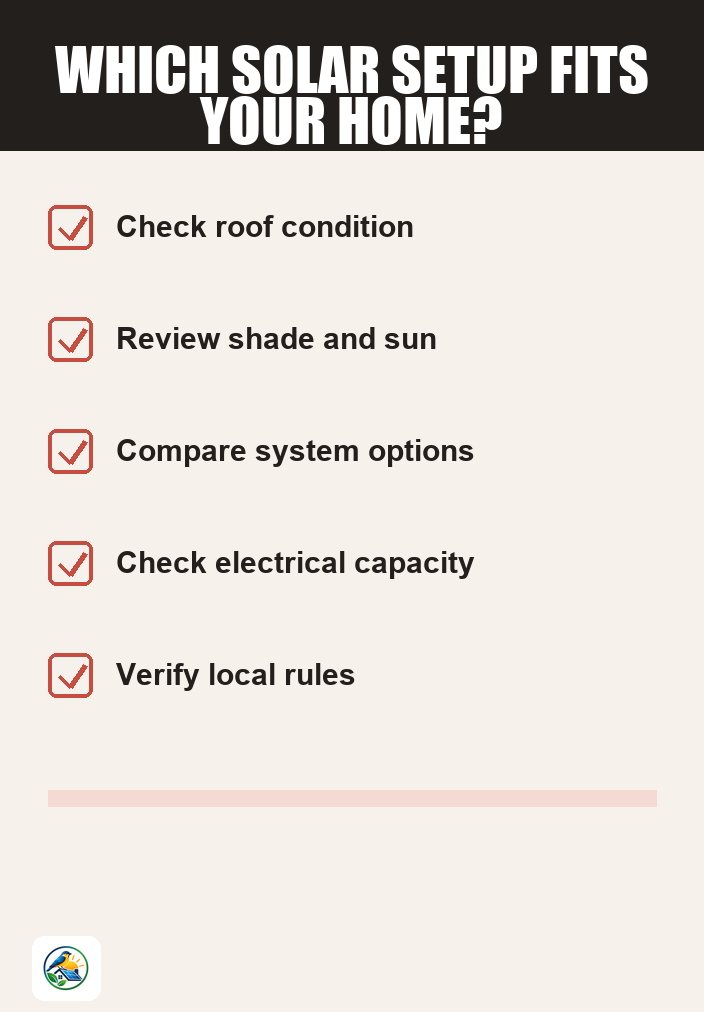
- Roof Condition: Ensure your roof is in good condition if installing panels on the roof.
- Site Orientation: Evaluate potential shading from trees or buildings that could impact solar production.
- Future Plans: Consider whether you plan to expand water usage, which may affect system sizing.
When to Get Professional Quotes
Obtaining quotes from qualified solar installers is an essential step in the process. A professional assessment can provide insights into:
- System sizing based on your specific water needs.
- Local permitting and interconnection requirements.
- Potential incentives and financing options available in your area.
Comparing itemized quotes will help you understand the costs associated with different components and installation practices. Be sure to verify local utility rules and available incentives, as these can vary significantly by location and change over time.
Next Steps
As you consider a solar and battery system for your well pump, take the time to research local installers and gather multiple quotes. A detailed comparison will help you make an informed decision that aligns with your specific needs and property conditions. Remember, each home is unique, and the right solution will depend on a variety of factors, including your water usage, available sunlight, and overall energy goals.