Understanding the Costs of Solar and Battery Installation
As a U.S. homeowner considering the installation of a residential rooftop solar system, you might be wondering about the factors that influence the costs associated with solar panels and home batteries. While the idea of generating your own electricity and potentially lowering your utility bills is appealing, the reality is that installation costs can vary significantly based on a range of factors. In this guide, we will explore the key elements that contribute to the final price tag of solar and battery installations, helping you make an informed decision.
Key Factors Influencing Solar Installation Costs
1. System Size and Capacity
The size of the solar system you need directly impacts the installation cost. Solar systems are typically measured in kilowatts (kW), and the larger the system, the more expensive it will be. To determine the appropriate size for your home, consider the following:
- Energy Consumption: Review your electricity bills to understand your average energy usage. A system that meets your needs will help you maximize potential savings.
- Roof Space: The available area on your roof for solar panels will dictate how large a system you can install. Ensure your roof is suitable for solar, considering orientation and pitch.
- Local Climate: Areas with more sunlight may allow for smaller systems to meet energy needs compared to regions with frequent cloud cover.
2. Equipment Quality
The type and quality of solar panels and inverters you choose will also affect the overall costs. While premium products may come with a higher upfront price, they can offer better efficiency and longer warranties. Consider these aspects:
- Panel Efficiency: Higher efficiency panels convert more sunlight into electricity, potentially reducing the number of panels needed.
- Inverter Type: String inverters are typically less expensive, but microinverters or power optimizers might be worth the investment for larger or shaded installations.
- Warranties: Longer warranties can provide peace of mind but may increase initial costs. Assess whether the added cost aligns with your long-term plans.
3. Installation Complexity
The complexity of your installation can significantly impact labor costs. Factors that contribute to complexity include:
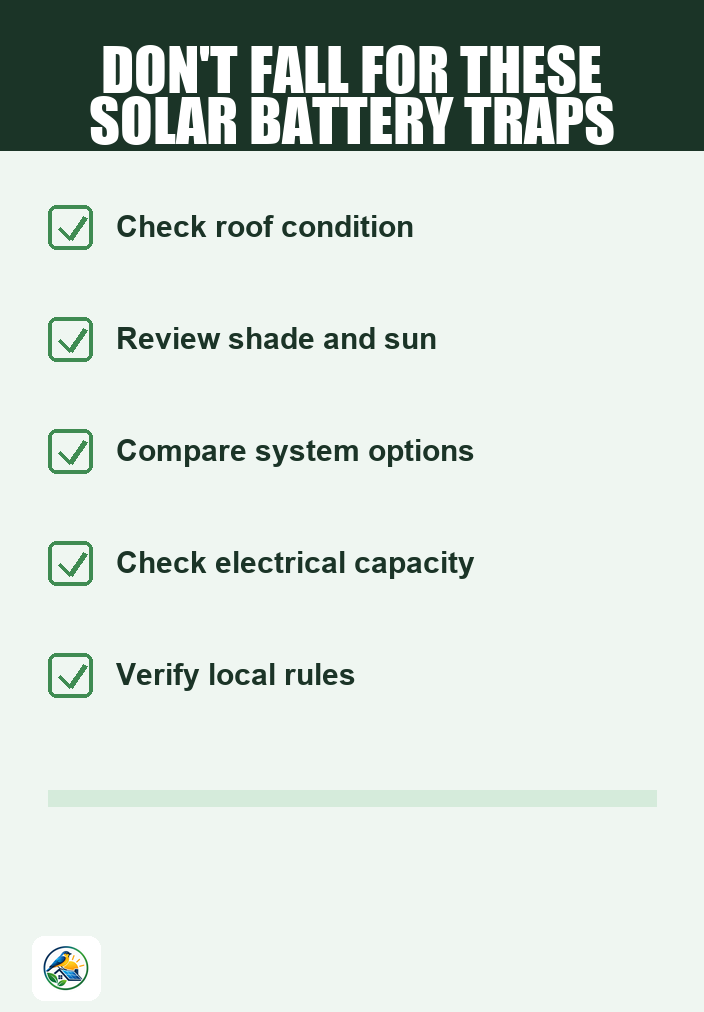
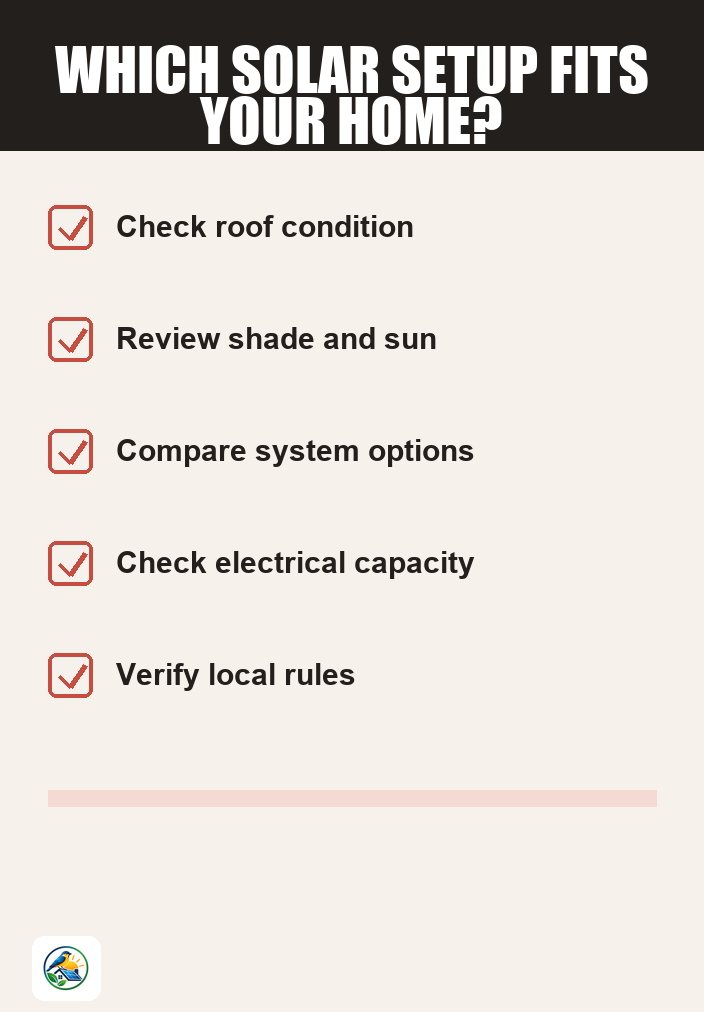
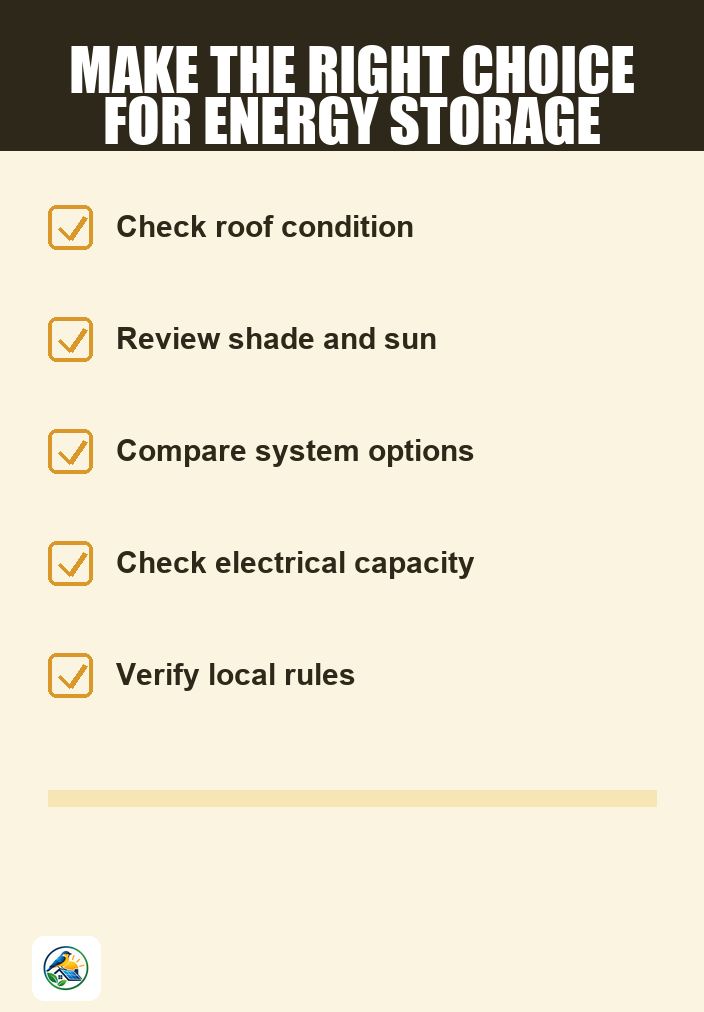
- Roof Condition: If your roof requires repairs or reinforcements before installation, that will add to the overall cost.
- Accessibility: If your home is difficult to access or if the roof is particularly steep, installation may take longer and cost more.
- Permitting and Interconnection: Depending on local regulations, obtaining permits and connecting your system to the grid can add time and expenses.
4. Geographic Location
Your location plays a crucial role in determining installation costs. Factors such as local labor rates, permitting fees, and state incentives can all vary significantly. Here are a few things to keep in mind:
- Labor Costs: Installation prices can differ based on local labor rates. Urban areas might have higher costs than rural ones.
- Incentives and Rebates: Some states offer incentives that can reduce your installation costs, while others may not. Always verify current local incentives.
- Utility Policies: Net metering rules and interconnection agreements vary by utility company and can impact your installation choice.
Factors Influencing Battery Installation Costs
1. Battery Type and Capacity
Choosing the right battery involves understanding your energy storage needs and the technology available. Consider the following:
- Battery Chemistry: Lithium-ion batteries are popular for residential use due to their efficiency and lifespan, but they might be more expensive than lead-acid alternatives.
- Storage Capacity: Determine how much energy you want to store. Larger-capacity batteries will have higher costs but can provide more backup during outages.
2. Integration with Solar Systems
When installing a battery alongside solar panels, the integration process can affect costs. Here are some considerations:
- Inverter Compatibility: Ensure your inverter is compatible with the battery system. Some solar inverters can be retrofitted for battery storage, while others may need to be replaced.
- Installation Coordination: Coordinating the installation of both systems might require specialized labor, impacting overall installation costs.
3. Installation Location
Where you choose to install your battery can influence the cost. Consider the following:
- Indoor vs. Outdoor: Indoor installations may involve additional electrical work, while outdoor installations may require protective enclosures.
- Accessibility: The location of the battery in relation to the solar array and your electrical panel can impact installation time and complexity.
Trade-offs and Considerations
When considering the installation of solar panels and batteries, it’s essential to weigh the potential benefits against the costs and limitations. Here are some trade-offs to consider:
- Initial Investment: Solar and battery systems require significant upfront costs, but they can offer long-term benefits if your energy needs and local policies align.
- Long-term Maintenance: While solar systems generally require minimal maintenance, batteries may need periodic checks or eventual replacement, adding to long-term costs.
- Household Changes: If you plan to move or make significant changes to your home, consider how that may affect your investment in solar and battery systems.
Next Steps
As you explore the possibilities of solar and battery installations for your home, it’s vital to approach the process informed. Start by assessing your energy needs, roof space, and potential local incentives. Then, consider reaching out to qualified installers for itemized quotes. Comparing these quotes will help you better understand the costs associated with your specific home setup and allow you to make a well-informed decision about whether solar and battery systems fit your needs.