
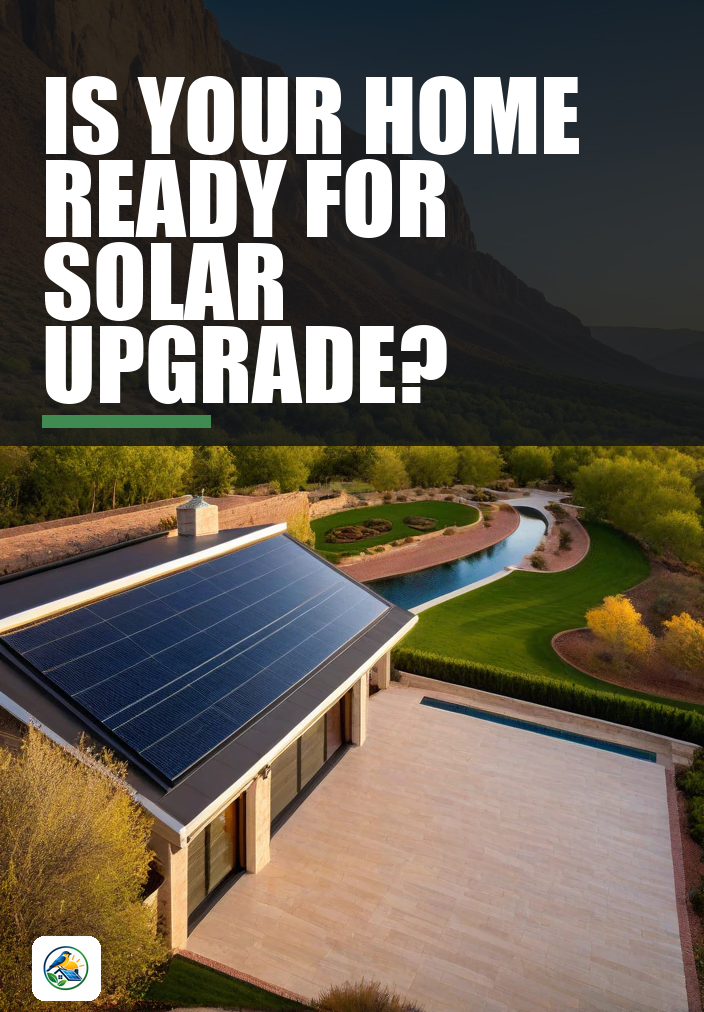
Understanding the Need for Electrical System Upgrades
As you consider installing a residential solar system, one crucial aspect often overlooked is the condition of your existing electrical system. Upgrading your electrical system may be necessary to ensure optimal performance, safety, and compatibility with the new solar installation. Understanding the key considerations can help you navigate this important phase in your solar journey.
Assessing Your Current Electrical System
Before moving forward with a solar installation, it’s essential to assess your current electrical system. This involves evaluating:
- Panel Capacity: Check the amperage rating of your main electrical panel. Many older homes have panels rated for 100 amps, which may not be sufficient for the additional load from solar and other modern appliances.
- Wiring Condition: Inspect the wiring throughout your home. Old or damaged wiring can pose safety risks and may need replacement or upgrades.
- Breaker Compatibility: Ensure that your circuit breakers can handle the additional circuits needed for solar energy systems and any battery backup systems you may consider.
These assessments will help you determine whether your current electrical system can handle the demands of a solar installation or if upgrades are necessary.
Types of Upgrades to Consider
If your assessment reveals that upgrades are needed, here are some common types of electrical system upgrades that homeowners might consider:
1. Upgrading the Electrical Panel
Upgrading your electrical panel is often the first step. If your panel is outdated or undersized, a modern panel rated for 200 amps can provide the necessary capacity to accommodate solar energy systems and any future electrical needs.
2. Replacing Old Wiring
In homes with older wiring, upgrading to newer, safer materials can prevent potential hazards. Copper wiring is generally preferred over aluminum for its conductivity and durability.
3. Installing Additional Circuits
Depending on your solar setup, you may need to install new circuits to handle the solar inverter and any battery systems. This ensures that your system operates efficiently without overloading existing circuits.
4. Grounding and Surge Protection
Proper grounding is essential for the safety of your solar system. Additionally, surge protection can safeguard your equipment from power surges that can occur during storms or electrical faults.
Evaluating Costs and Trade-offs
Upgrading your electrical system can involve significant costs, and it’s essential to weigh these against the potential benefits of going solar. Consider the following factors:
- Initial Investment: The cost of electrical upgrades can vary widely based on the extent of the work needed. Obtain detailed quotes from licensed electricians to understand what you may be investing.
- Long-Term Benefits: While upfront costs can be daunting, consider the potential long-term benefits of increased home safety, efficiency, and compatibility with solar technology.
- Energy Efficiency: An upgraded electrical system can enhance your home’s overall energy efficiency, which can be beneficial even beyond your solar installation.
Understanding Local Regulations and Permits
Before proceeding with any upgrades, familiarize yourself with local building codes and regulations. Permitting requirements may vary based on your location, and some upgrades may require inspections. Consulting with a local electrician or solar installer is advisable to ensure compliance.
When to Consult a Professional Installer
Engaging a professional installer is crucial at various points in the process:
- During Initial Assessments: A qualified installer can evaluate your property and electrical system, providing insights on what upgrades may be necessary.
- For Detailed Quotes: Once you have an understanding of your needs, get itemized quotes from multiple solar installers. This will help you compare the costs of both the solar installation and any required electrical upgrades.
- For Compliance and Safety: Professional installers can ensure that all work done meets local codes and safety standards, reducing potential risks associated with DIY projects.
Examining System Types: Grid-Tied, Off-Grid, and Battery Backup
Understanding the type of solar system you plan to install can also influence your electrical upgrade decisions:
- Grid-Tied Systems: These systems are connected to the utility grid and typically require less extensive upgrades since they rely on grid electricity when solar production is insufficient.
- Off-Grid Systems: Off-grid installations require more comprehensive upgrades, including battery storage solutions and potentially larger panels, which can add complexity to your electrical system.
- Battery Backup: If you plan to add a battery system for energy storage, ensure your electrical panel and wiring can accommodate the additional load and charging requirements.
Next Steps for Homeowners
Upgrading your electrical system for a solar installation is a significant step that requires careful consideration. Begin by assessing your current electrical system, identifying necessary upgrades, and obtaining quotes from licensed electricians and solar installers. Comparing itemized quotes can help you make an informed decision that aligns with your budget and energy goals.
Remember, while solar energy can be an excellent addition to your home, it’s not a one-size-fits-all solution. Each homeowner’s situation is unique, so take the time to evaluate your options thoroughly to ensure a successful and safe solar installation.


















