Understanding Whole Home Backup Solutions
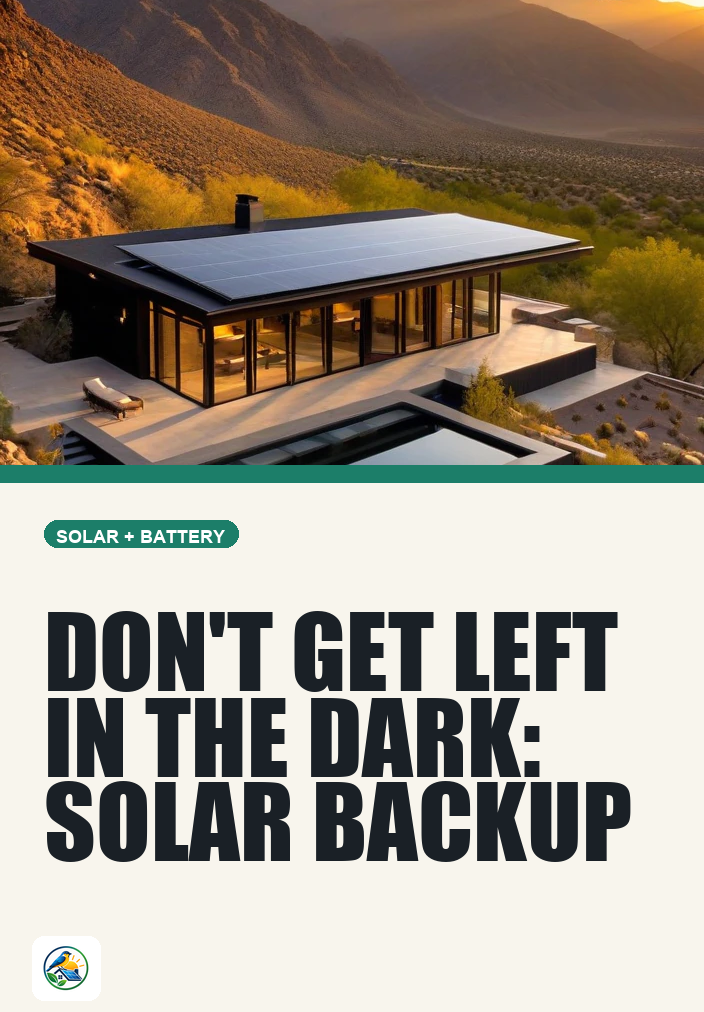
As energy costs rise and severe weather events become more frequent, many homeowners are turning to solar energy systems combined with battery backup solutions to ensure a reliable power supply. The idea of financing a whole home backup system is appealing, but it raises important considerations, especially when it comes to prioritizing essential load needs during power outages. Here, we’ll explore the options available, the trade-offs involved, and what homeowners should keep in mind when considering these systems.
What Is Whole Home Backup?
Whole home backup refers to a power solution that allows you to maintain electrical power for your entire home during an outage. This can be achieved through various methods:
- Grid-Tied Solar with Battery Backup: This system connects to the grid but includes a battery that stores excess solar energy for use during outages.
- Generators: These provide backup power but typically run on gasoline, diesel, or natural gas and may not utilize renewable energy.
- Off-Grid Systems: These are independent solar setups that do not rely on the grid at all. They often include larger battery banks to meet all home energy needs.
For most homeowners, a grid-tied solar system with battery backup is the most practical solution, as it allows for energy independence during outages while still benefiting from grid access the rest of the time.
Prioritizing Essential Loads
One of the most critical aspects of a whole home backup system is understanding which appliances and systems are deemed essential. Essential loads typically include:
- Refrigerators and freezers
- Heating and cooling systems
- Medical equipment
- Lighting
- Communication devices
When designing a backup solution, it’s important to assess the power requirements of these essential loads. Every appliance has a wattage requirement, which you need to sum up to determine the total power needed during an outage. A professional installer can help you evaluate your home’s specific energy needs and recommend an appropriately sized battery system.
Financing Options for Solar and Battery Systems
Financing a whole home backup system can be done in several ways. Homeowners should consider the following options:
- Cash Purchase: While this option requires significant upfront capital, it avoids interest payments and can lead to long-term savings on energy bills.
- Loans: Many institutions offer loans specifically for solar energy systems. These may come with varying interest rates and terms, so it’s important to shop around.
- Leasing: Some companies offer solar leases where homeowners pay a monthly fee for using the system without owning it outright. However, this often means you won’t benefit from certain incentives.
- Power Purchase Agreements (PPAs): Similar to leasing, a PPA allows homeowners to pay for the electricity generated by the solar system at a predetermined rate.
Each financing option has its pros and cons, and the right choice depends on your financial situation, willingness to take on debt, and long-term energy goals.
Trade-Offs in Sizing Your System
When sizing your solar and battery system, there are several important trade-offs to consider:
- Battery Capacity: Larger batteries can store more energy but come at a higher cost. You’ll need to balance your budget with your essential load needs.
- Solar Panel Output: Depending on your roof space and orientation, you may be limited in how many solar panels you can install. This will directly affect your energy generation capabilities.
- Installation Complexity: More extensive systems may require additional upgrades to your home’s electrical system, which can add to the overall cost and installation time.
Working with a professional installer can help navigate these trade-offs and ensure that your system is appropriately sized for your home and lifestyle.
Common Homeowner Considerations
As you evaluate financing options and system designs, there are several considerations to keep in mind:
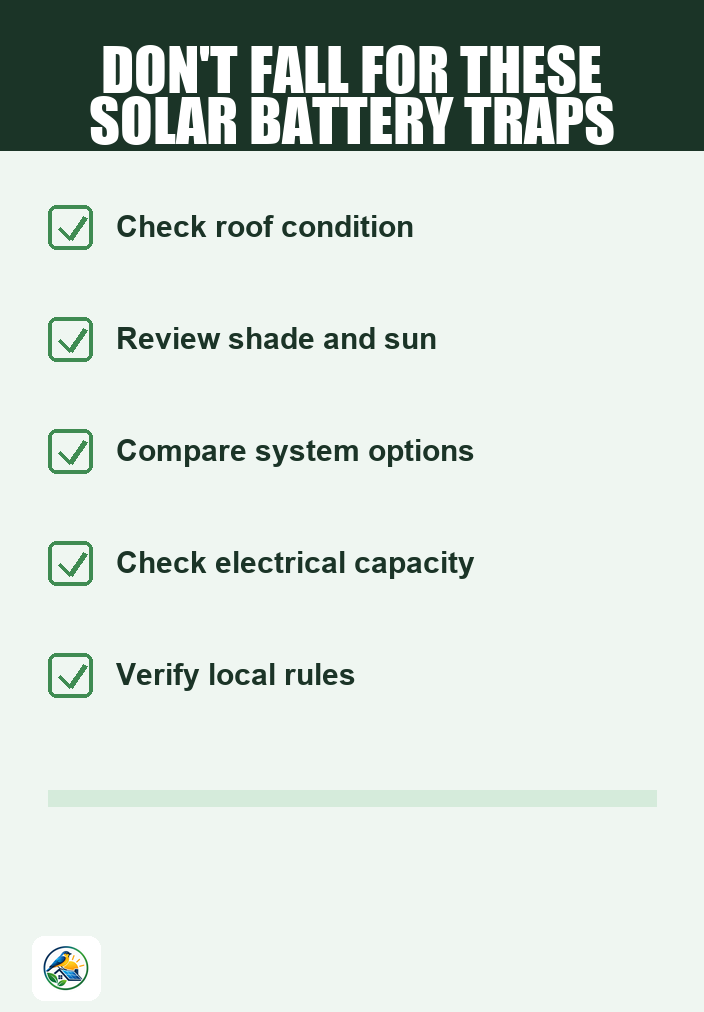
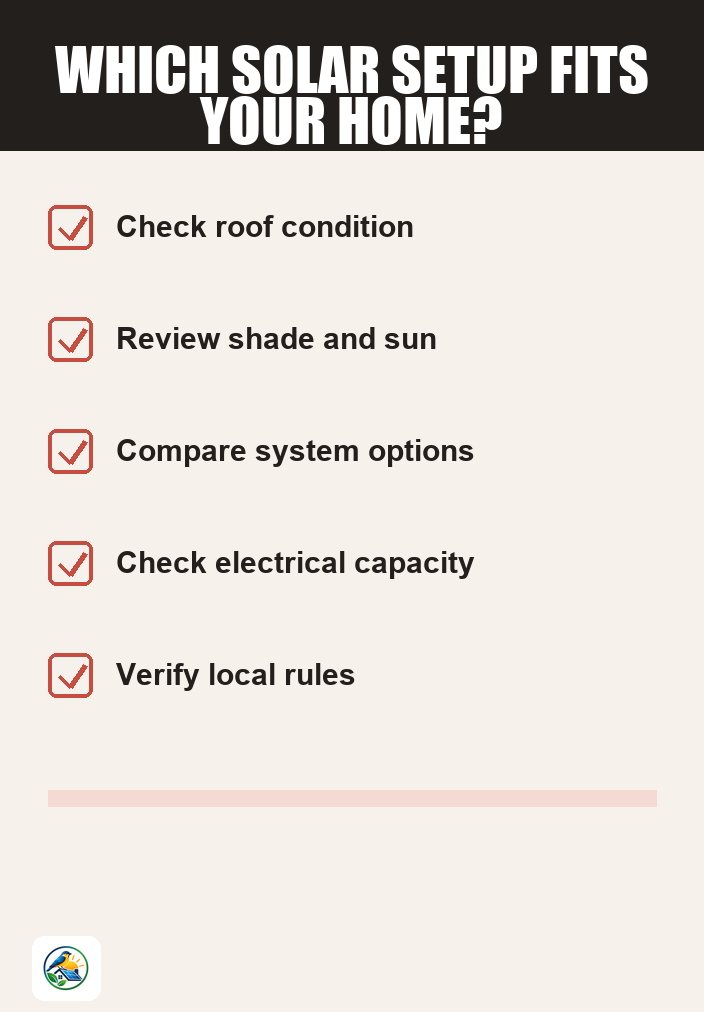
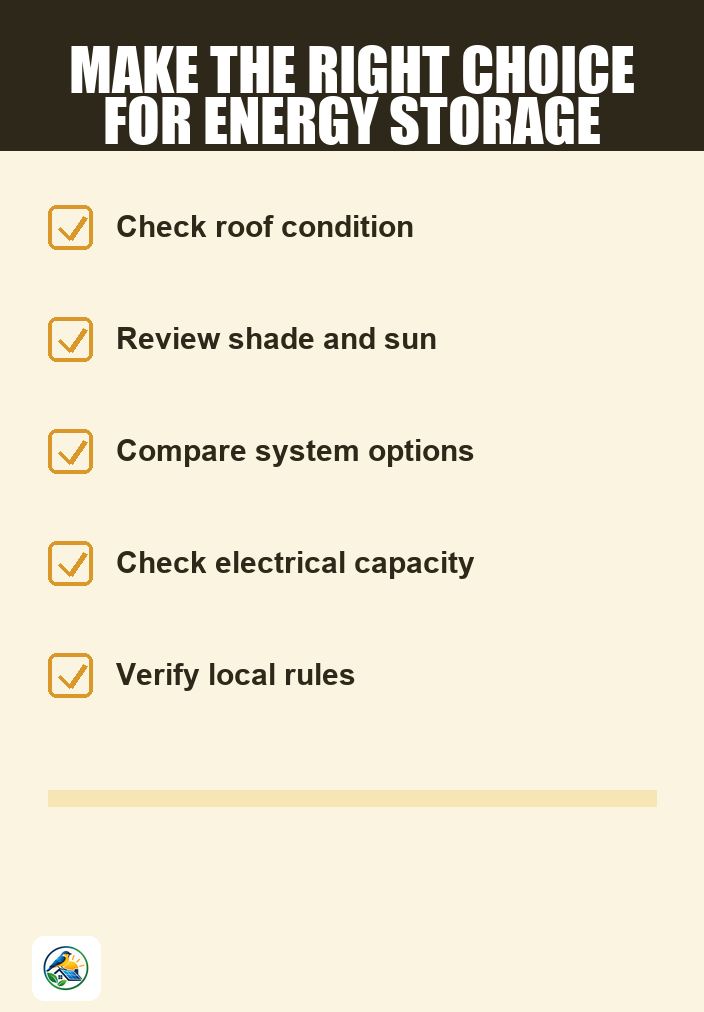
- Roof Condition: Ensure your roof can support solar panels and is in good condition. If your roof needs repairs or replacement, this should be addressed before installation.
- Shading: Trees or other structures that shade your roof can significantly impact solar efficiency. Consider the implications of shade on your energy production.
- Local Regulations: Permitting and interconnection rules vary by location. Check with your local utility and government for requirements that may affect your installation.
- Future Plans: Consider how long you plan to stay in your home. Significant investments in solar and battery systems may not pay off if you plan to move soon.
Next Steps for Homeowners
If you’re considering a whole home backup solution with solar and battery systems, the following steps can help you make informed decisions:
- Assess your energy needs and essential loads.
- Research financing options that fit your budget.
- Identify reputable solar installers in your area.
- Request itemized quotes from multiple installers to compare pricing, equipment, and services.
- Verify local incentives, permitting requirements, and utility rules.
By taking the time to carefully evaluate your options and consult with professionals, you can make a sound decision that meets your energy needs without sacrificing essential load requirements during outages.