
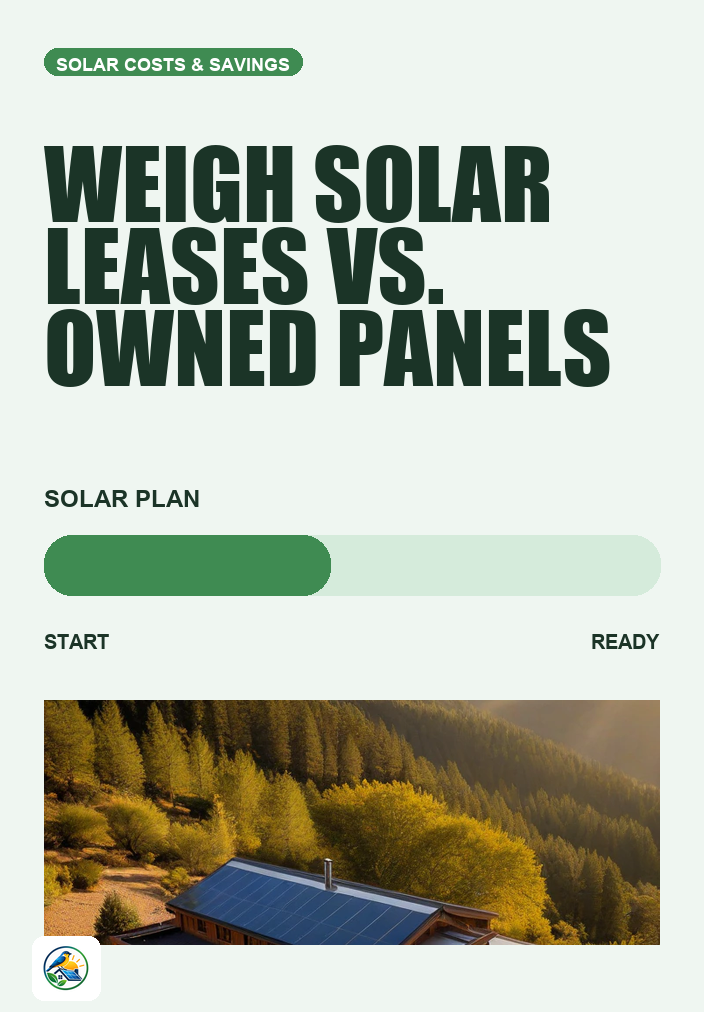
Understanding Solar Leases vs. Owned Panels
As a U.S. homeowner contemplating a residential rooftop solar system, you face an important decision: should you lease your solar panels or purchase them outright? Both options come with their unique costs, benefits, and considerations that can significantly affect your financial situation and energy needs. In this article, we will break down the differences between solar leases and owned panels, allowing you to make an informed choice for your home.
What is a Solar Lease?
A solar lease is an agreement between you and a solar company that allows you to install solar panels on your roof without the upfront costs associated with purchasing them. Instead, you pay a fixed monthly fee to use the system for a set period, typically 20 to 25 years. At the end of the lease, you may have options to buy the system, renew the lease, or have the panels removed.
Benefits of Solar Leases
- No Upfront Costs: The most immediate advantage is that you can install solar panels without a significant initial investment. This can make solar energy more accessible, especially for homeowners who may not have the cash or credit to purchase outright.
- Fixed Monthly Payments: Your payments are predictable, allowing for easier budgeting. Some leases also include maintenance and insurance, meaning fewer surprises.
- Professional Maintenance: Solar companies often handle maintenance and repairs, relieving you of any technical responsibilities.
Drawbacks of Solar Leases
- No Ownership: You do not own the panels, which means you won’t directly benefit from tax credits or incentives linked to ownership.
- Long-Term Commitment: If you decide to sell your home before the lease term is up, the lease may need to be transferred to the new owner, which could complicate the sale.
- Potential Rate Increases: Some leases have escalator clauses that allow for periodic rate increases, which can affect your long-term savings.
What are Owned Panels?
When you purchase solar panels, you take full ownership of the system. This means you pay the full cost upfront, or you can finance the purchase through loans or other financial products. Once the system is paid off, you benefit from free electricity (minus any maintenance costs) for the remaining lifespan of the panels, typically 25 years or more.
Benefits of Owned Panels
- Tax Credits and Incentives: As the owner, you can take advantage of tax credits and incentives, which can significantly reduce your overall cost.
- Increased Property Value: Owned solar panels may enhance the resale value of your home, making it an attractive feature for potential buyers.
- Complete Control: You have full control over the system, including decisions about maintenance, upgrades, and how the energy produced is used.
Drawbacks of Owned Panels
- Higher Upfront Costs: Purchasing solar panels typically requires a larger initial investment than leasing, which can be a barrier for some homeowners.
- Maintenance Responsibility: As the owner, you are responsible for maintenance and repairs, which can involve additional costs and effort.
- Financing Costs: If you choose to finance your purchase, you will incur interest costs that can affect your overall savings.
Comparing Costs: Key Considerations
When evaluating the costs of solar leases versus owned panels, consider the following factors:
- Initial Investment: Calculate the total upfront costs associated with purchasing panels, including installation, maintenance, and any necessary upgrades to your electrical system.
- Monthly Payments: For leases, review the payment schedule and any potential rate increases over time.
- Incentives and Rebates: Research local and federal incentives for solar ownership, as these can significantly impact your cost-benefit analysis.
- Energy Production Estimates: Assess the estimated energy production based on your roof’s orientation, size, and shading. A professional installer can provide a detailed analysis.
- Long-Term Goals: Consider how long you plan to stay in your home. If you plan to move soon, leasing may be more attractive, whereas long-term ownership may yield better returns.
Evaluating Your Home’s Compatibility with Solar
Not every home is ideal for solar installation. Factors such as roof condition, orientation, shading, and local climate can all influence the effectiveness of a solar system. Before making any decisions, consider the following:
- Roof Condition: Ensure your roof is in good condition and can support the weight of solar panels. You may need to repair or replace your roof before installation.
- Shading Issues: Evaluate any trees or buildings that may cast shadows on your roof. Even partial shading can reduce the efficiency of solar panels.
- Electrical System Upgrades: Some older homes may need electrical upgrades to support solar installation. This can add to the overall cost.
- Local Regulations: Check local permitting and interconnection rules, as these can affect both installation and grid-tied functionality.
Next Steps: Getting Professional Quotes
If you’re serious about going solar, the next step is to gather quotes from qualified solar installers. Make sure to compare itemized quotes that outline the costs of installation, equipment, and any additional services. This will provide clarity on whether leasing or purchasing is more financially viable for your situation.
Remember, the decision between a solar lease and owning panels is not one-size-fits-all. Each option has its advantages and drawbacks, and the best choice depends on your financial situation, goals, and home characteristics. Take your time, do your research, and consult with professionals to find the best solution for your home.


















