Understanding Your Solar Installation Options in North Carolina
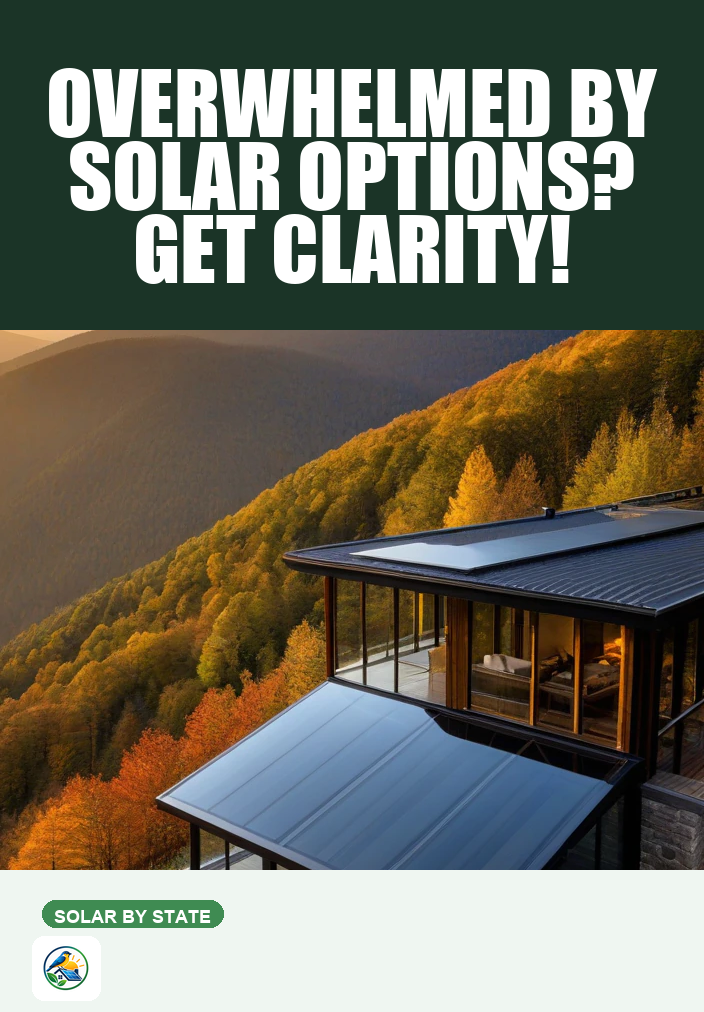
Making the decision to install solar panels on your home can feel overwhelming, especially in North Carolina, where the options and incentives can seem endless. However, understanding the choices available to you will help simplify the process. This article aims to demystify residential solar installation in North Carolina by outlining your main options, important trade-offs, and considerations that can guide your decision-making process.
Types of Solar Systems Available
Before diving into specifics, it’s crucial to understand the types of solar systems commonly available for residential use. Each type serves different needs and comes with its own set of advantages and challenges:
- Grid-Tied Systems: These are the most common solar setups. They connect to the local utility grid, allowing you to draw energy from it when your solar panels aren’t producing enough power (like at night or on cloudy days). This system is typically less expensive to install since it doesn’t require a battery backup.
- Battery Backup Systems: These systems include battery storage to hold excess energy generated during the day for later use. This can be beneficial during power outages or for homeowners who want more control over their energy usage. However, battery systems can significantly increase the initial installation cost.
- Off-Grid Systems: These systems are entirely independent of the utility grid. They usually require a larger battery system and can be more complex to install. Off-grid solutions are ideal for remote locations but can be expensive and require careful planning and maintenance.
- Hybrid Systems: A combination of grid-tied and battery backup systems, hybrid systems offer flexibility. They allow you to use solar energy, store it in batteries for later use, and still have access to the grid.
Key Considerations for Homeowners
As you consider solar installation, several factors will influence your decision. Here are some important aspects to take into account:
Roof Condition and Orientation
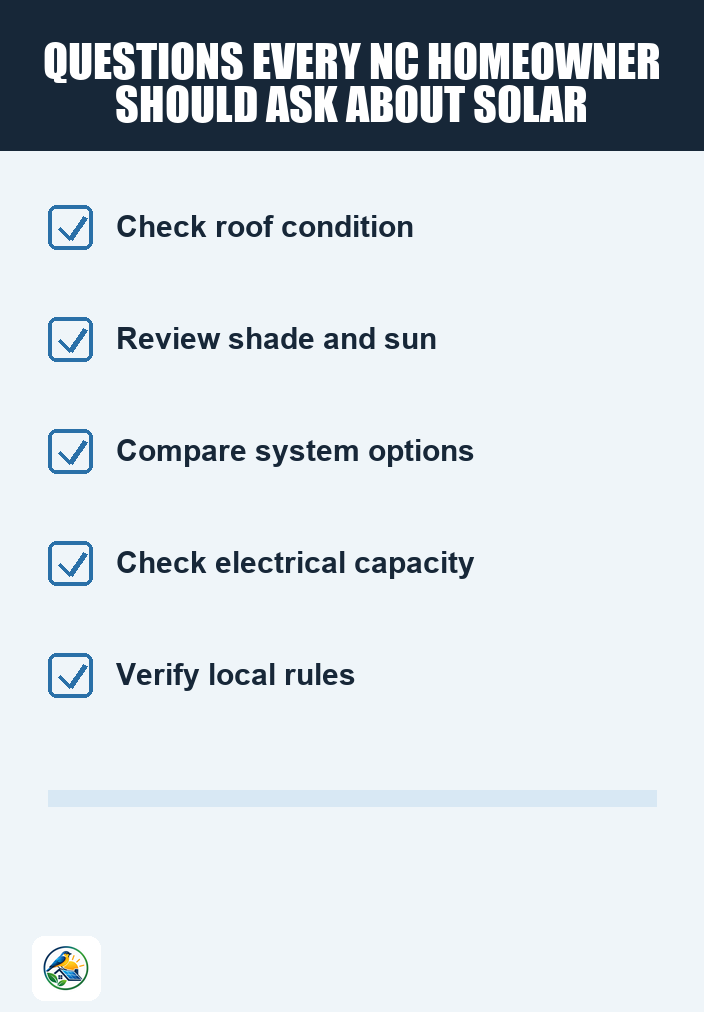
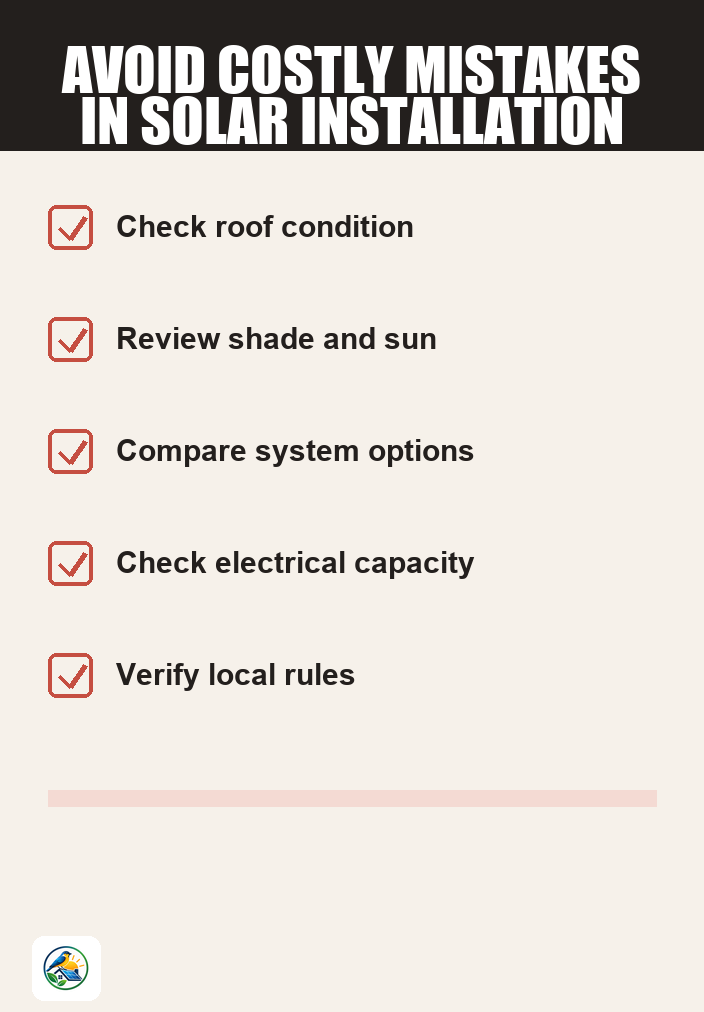
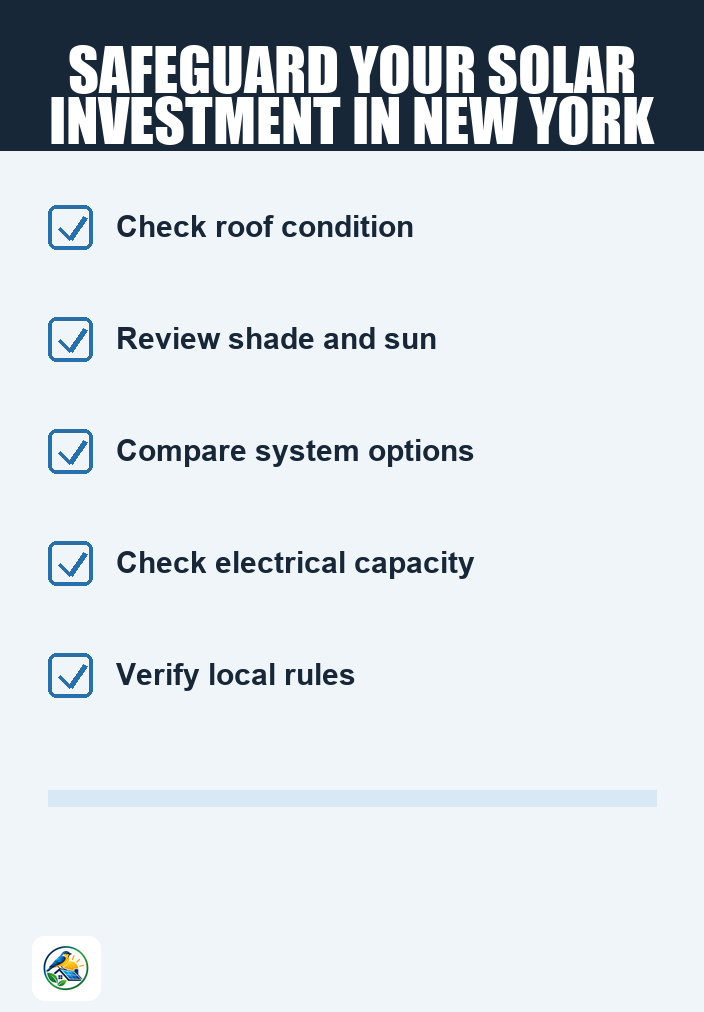
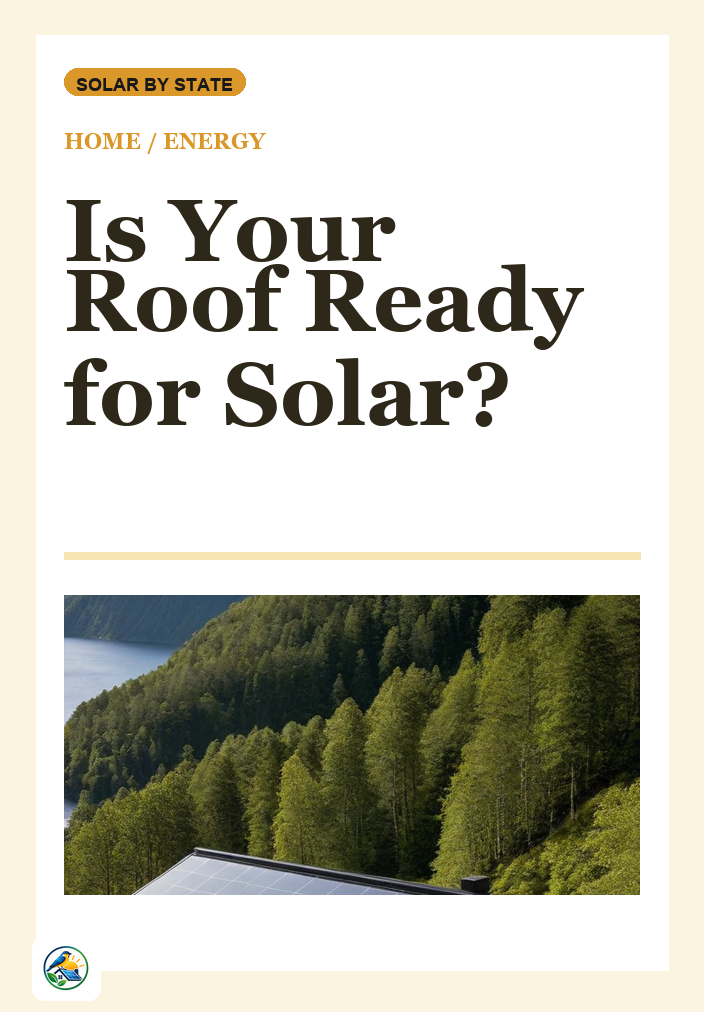
Your roof’s condition and orientation directly affect solar panel efficiency. Ideally, homes with a south-facing roof receive the most sunlight. However, east or west-facing roofs can also work well. If your roof is old or damaged, you may need to repair or replace it before installation.
Shading Issues
Shading from trees, buildings, or other obstructions can significantly reduce the effectiveness of solar panels. Consider conducting a shading analysis or asking your installer for a site assessment to determine how much sunlight your panels will receive throughout the day.
Electrical System Upgrades
Older homes may require electrical upgrades to accommodate solar installation. Your current electrical system needs to be compatible with both the solar technology and the grid. An installer can evaluate your system and recommend necessary upgrades.
Financing Options
Solar installations can be financed in various ways, including cash purchases, loans, leases, or power purchase agreements (PPAs). Each option has benefits and drawbacks. For instance, while a cash purchase may offer the best return on investment, financing can make solar more accessible upfront. Carefully evaluate your financial situation and consider consulting a financial advisor if needed.
Evaluating Quotes from Installers
Once you have a basic understanding of your options and considerations, the next step is to obtain quotes from qualified solar installers in North Carolina. Here’s how you can approach this step:
- Research Qualified Installers: Look for installers with good reviews and experience in your area. Verify their licenses and credentials.
- Request Multiple Quotes: It’s beneficial to get at least three quotes to compare costs and services. Make sure each quote includes a detailed breakdown of the equipment, installation process, and any warranties offered.
- Ask Questions: Don’t hesitate to ask installers about their experience, the specific types of panels and inverters they use, and their approach to maintenance and service.
- Compare Itemized Costs: Look for transparency in costs. An itemized quote should include prices for panels, inverters, installation, permits, and any additional equipment like batteries.
- Check for Incentives: Research local and state incentives for solar installation. Some may change over time, so verify current programs that could affect your decision.
Understanding Net Metering and Utility Policies
Net metering allows you to receive credits for excess energy generated by your solar panels. This can be an important factor in determining the overall value of your solar system. However, net metering policies can vary widely between utilities in North Carolina, so check with your local utility provider for specific rules and credits.
Next Steps for Homeowners
Installing solar panels in North Carolina doesn’t have to be an overwhelming process. By understanding your options, weighing the considerations specific to your home, and obtaining detailed quotes from qualified installers, you can make a well-informed decision. Remember that the solar landscape is continually changing, so stay informed about incentives and utility policies that may affect your installation.
As you move forward, take your time comparing itemized quotes and consulting with professionals. This approach will help you find the best solution that fits your energy needs and financial situation.