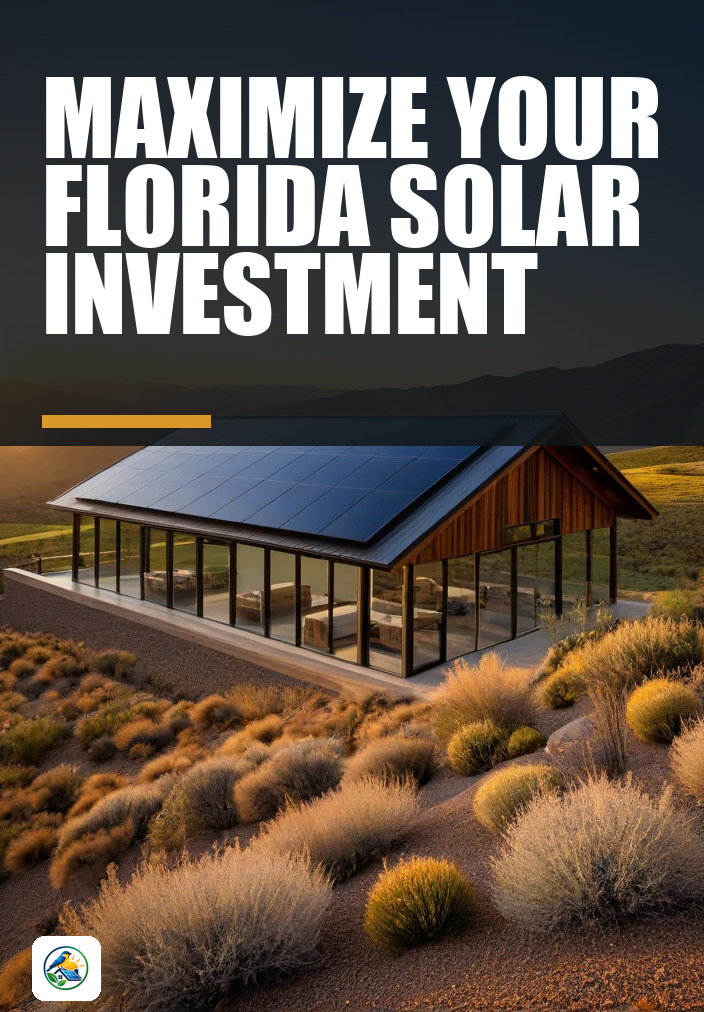
Understanding the Basics of Solar Installation in Florida
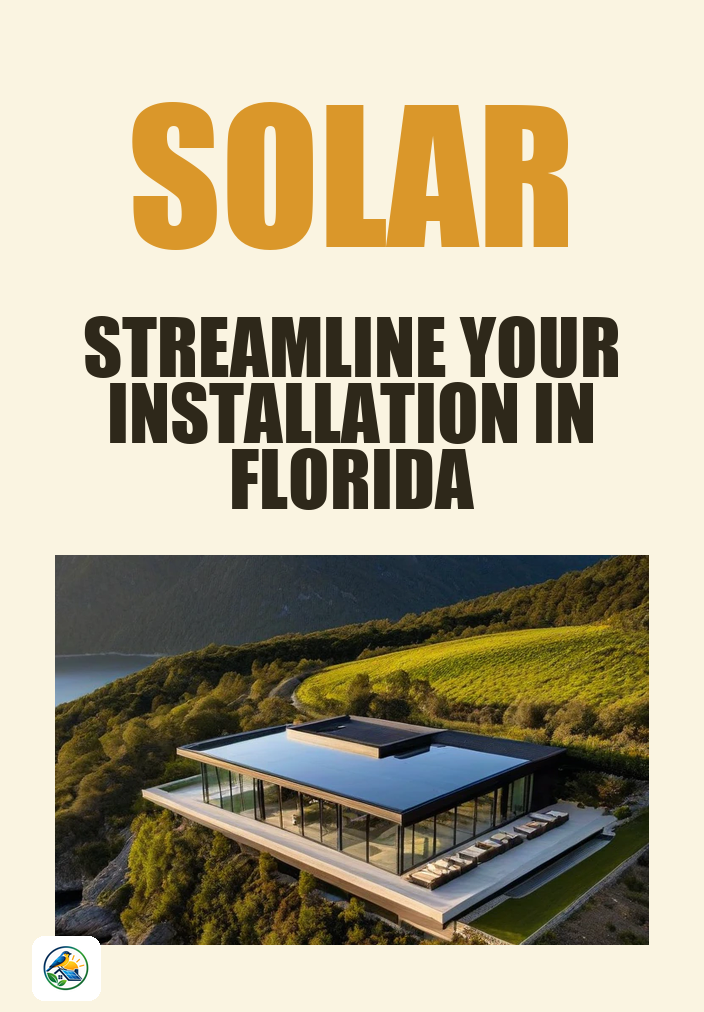
As solar energy becomes increasingly popular, many Florida homeowners are considering the installation of a rooftop solar system. However, navigating the complexities of solar installation can be challenging, especially for first-timers. This article outlines essential considerations to help you understand your options, trade-offs, and what to expect during the process.
Assessing Your Home’s Compatibility with Solar
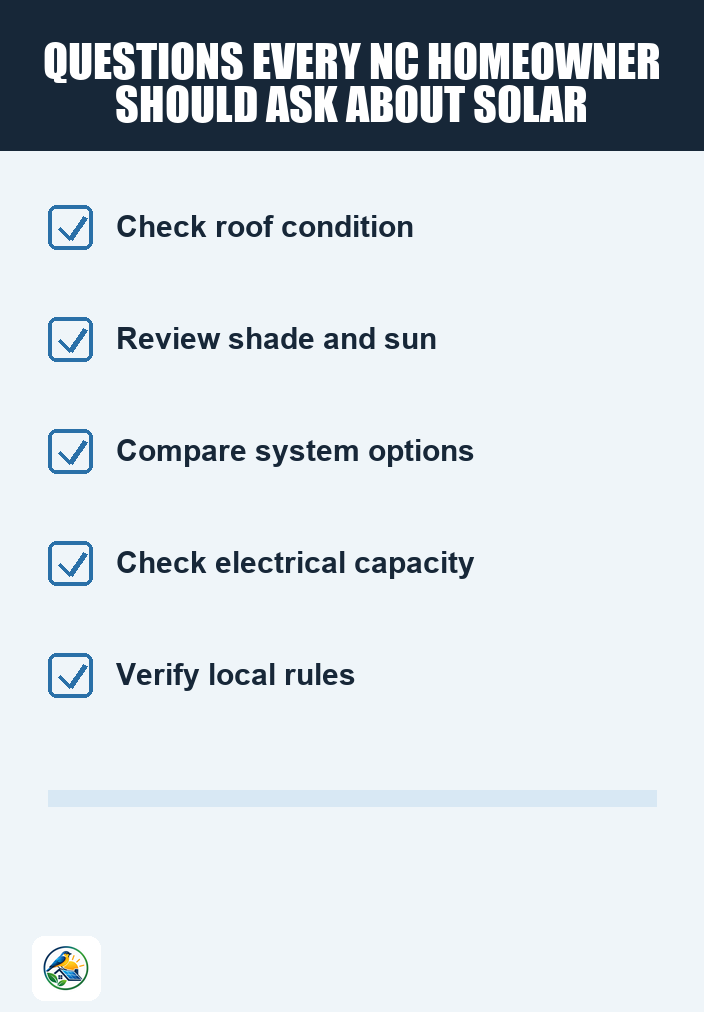
Before diving into the specifics of solar installation, it’s critical to assess your home’s compatibility. Various factors influence whether solar is a viable option for you:
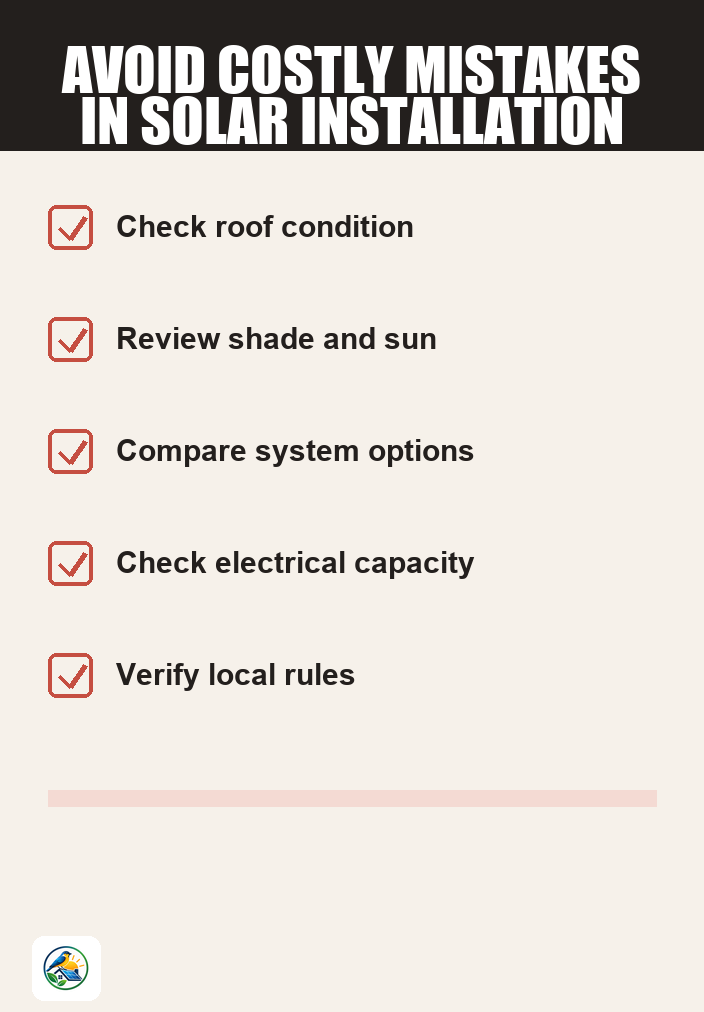
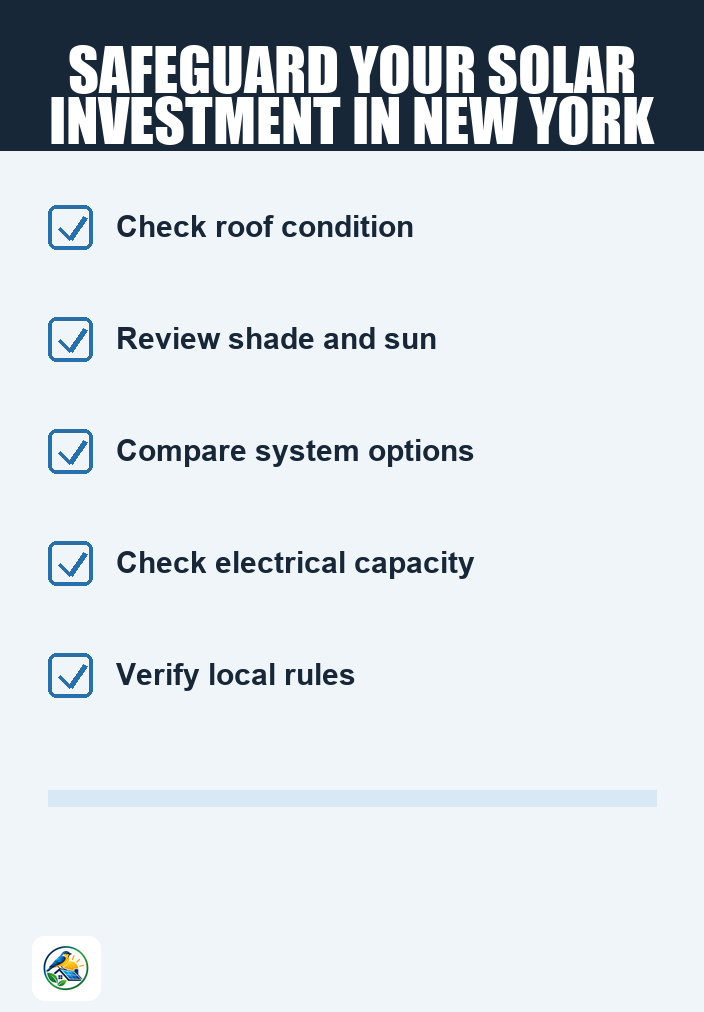
- Roof Condition: Ensure your roof is in good condition. If it requires repairs or replacement, it’s advisable to address these issues before installing solar panels.
- Orientation and Shade: South-facing roofs typically receive the most sunlight, while structures with significant shade from trees or neighboring buildings can reduce solar efficiency.
- Roof Size: The available area on your roof will determine how many panels can be installed, which directly affects energy production.
Understanding Different Solar System Types
When considering solar, you’ll encounter various system types. Understanding these can help you make informed decisions about what might work best for your home:
- Grid-Tied Systems: These systems remain connected to the electrical grid, allowing you to draw electricity when solar isn’t producing enough. They’re often the most cost-effective option for homeowners.
- Battery Backup: A solar system with battery storage can store excess energy for use during the night or outages. This option can be beneficial for those looking for energy independence or living in areas prone to outages.
- Off-Grid Systems: These systems are completely independent of the grid and require a larger battery storage capacity. They’re suitable for remote locations but can be more expensive to install.
- Generators: Some homeowners opt for generators as a backup power source. This can be a good complement to solar systems, particularly in emergencies.
Evaluating Costs and Financing Options
Understanding the financial aspects of solar installation is vital. While solar can lead to savings, the initial costs can vary significantly based on:
- System Size: The larger the system, the more expensive it will be. A professional quote can help you understand the capacity that fits your needs.
- Equipment Quality: Higher-quality panels and inverters may cost more upfront but can lead to better performance and longevity.
- Installation Complexity: Unique roof designs or challenging access can increase installation costs.
When exploring financing, consider options such as:
- Cash Purchase: Paying upfront can save you money in the long run, avoiding interest on loans.
- Loans: Many homeowners opt for financing to spread costs over time. Be sure to compare interest rates and terms.
- Leases/PPA: In these arrangements, you pay a monthly fee to use the solar energy produced without owning the system outright.
Incentives and Local Policies
Florida offers various incentives for solar installation, but these can vary by location and time. Always verify current local and state incentives, as well as federal tax credits, through official sources. Key aspects to consider include:
- Net Metering: This allows you to sell excess electricity back to the grid, potentially offsetting costs. Check your utility’s policies, as they can differ.
- Permitting and Interconnection: Local regulations may dictate the permitting process and how your system connects to the grid. Engaging with a qualified installer can streamline this.
Maintenance and Upkeep Considerations
While solar systems generally require minimal maintenance, there are still important factors to keep in mind:
- Regular Cleaning: Dust and debris can accumulate on panels, reducing efficiency. Depending on your location, you may need to clean them periodically.
- Monitoring Performance: Many systems come with monitoring tools to track energy production. Regularly checking performance can help identify issues early.
- Potential Repairs: Be prepared for the possibility of repairs, especially after severe weather. Understanding your warranty options is crucial.
Choosing the Right Installer
Finding a qualified solar installer is perhaps one of the most critical steps in your solar journey. Here are a few tips to help you choose wisely:
- Check Credentials: Ensure the installer is licensed and insured, and check for any certifications from reputable solar organizations.
- Compare Quotes: Collect multiple itemized quotes from different installers. This will help you understand the market and make a more informed decision.
- Read Reviews: Look for customer feedback online. Reviews can provide valuable insights into the installer’s reputation and service quality.
Next Steps for Your Solar Journey
As you consider a solar installation for your Florida home, take the time to evaluate your specific circumstances and options. Start by assessing your home’s compatibility, understanding the types of systems available, and exploring financing options. Don’t hesitate to reach out to qualified solar installers for quotes and further information.
Ultimately, gathering multiple itemized quotes from qualified installers is essential. This will ensure you have a clear understanding of each proposal and can make an informed decision about your solar investment. Remember, solar isn’t a one-size-fits-all solution, and what works for one home may not work for another.