Understanding the Solar Installation Landscape in Massachusetts
As homeowners in Massachusetts consider transitioning to solar energy, it’s essential to understand the unique factors that influence solar installation decisions in the state. Massachusetts has become a leader in solar energy adoption, thanks in part to favorable policies and incentives. However, before making a commitment, it’s crucial to explore the various aspects of solar installation that may affect your home and energy needs.
Assessing Your Home’s Solar Potential
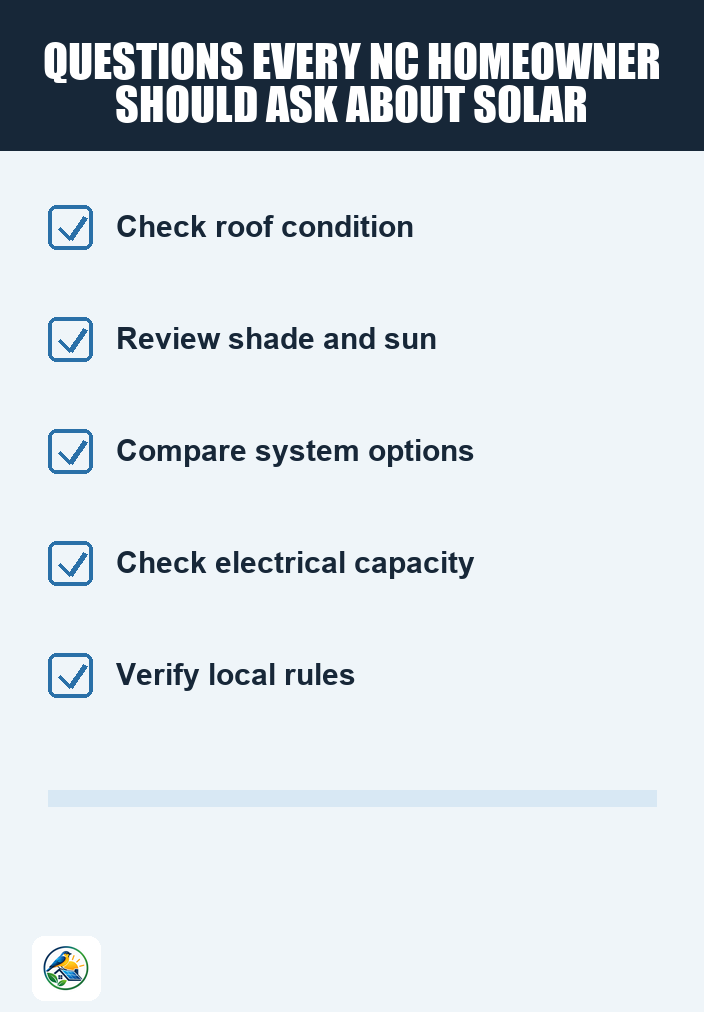
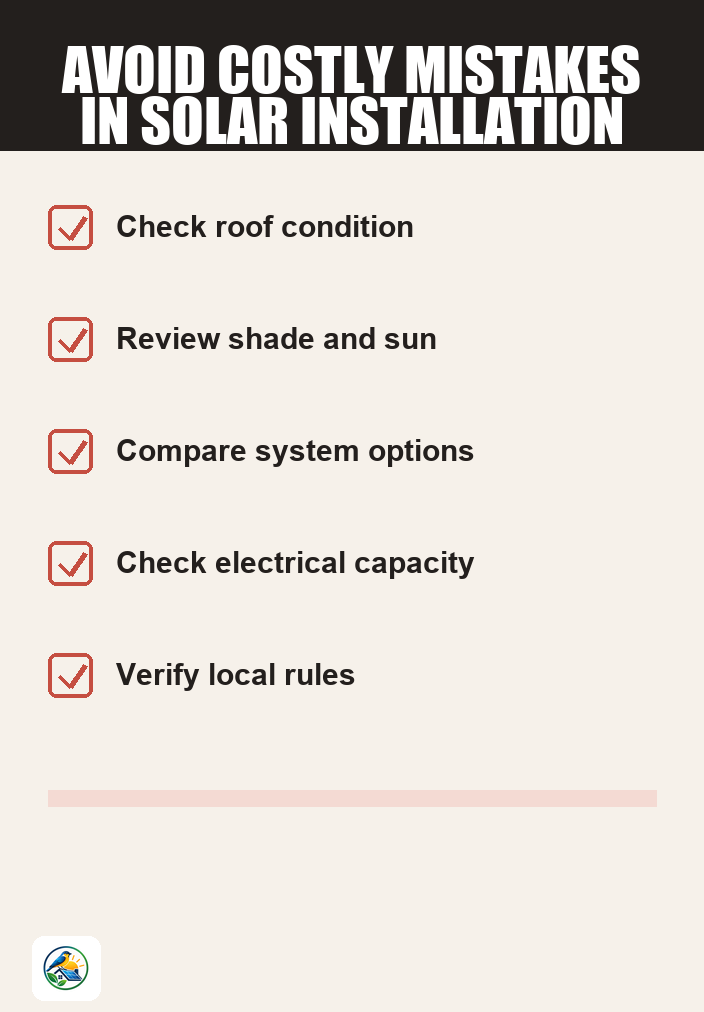
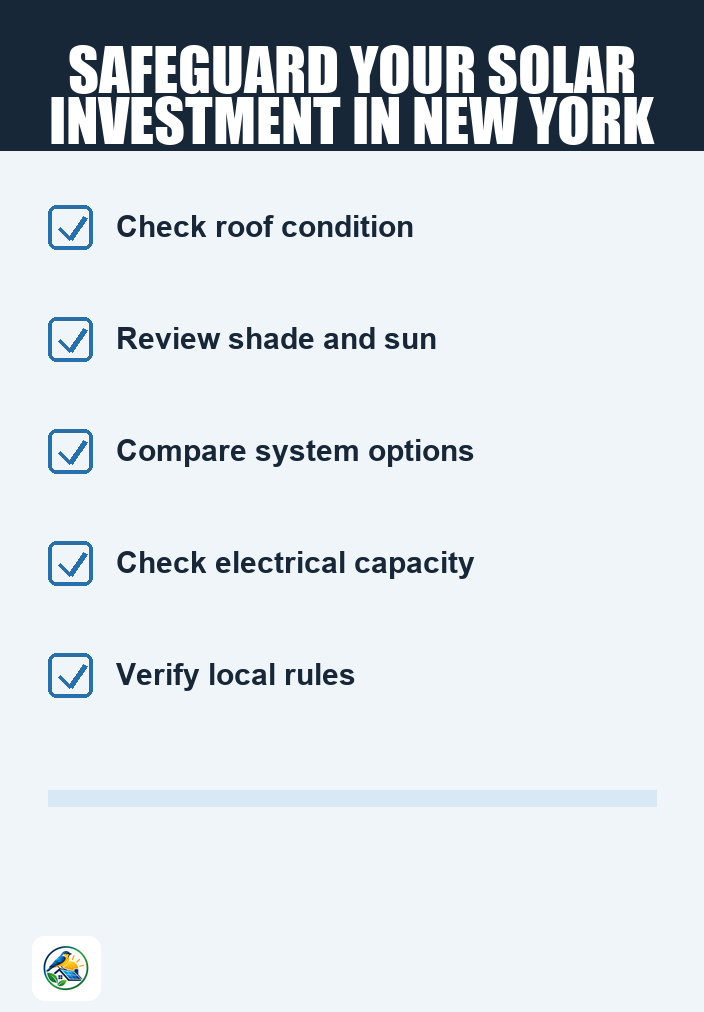
The first step in determining whether solar is a suitable option for your home is to evaluate its solar potential. Key considerations include:
- Roof Condition: A structurally sound roof is necessary for solar installation. Ensure your roof is in good repair and can support the weight of solar panels.
- Roof Orientation: South-facing roofs typically receive the most sunlight. East and west-facing roofs can also be viable, but their efficiency may vary.
- Shade Factor: Nearby trees or buildings that cast shadows on your roof can significantly reduce solar energy production. Consider trimming trees or removing obstructions if possible.
- Roof Size and Layout: The available space for solar panels will dictate the system size and potential energy output. Measure your roof area and consider any obstructions.
The Importance of Energy Usage Assessment
Understanding your energy consumption patterns is critical when planning a solar installation. Review your utility bills from the past year to identify your average monthly usage. This will help you estimate the size of the solar system you may need. Consider the following:
- Current Energy Consumption: Analyze your monthly kilowatt-hour (kWh) usage to help determine the system size.
- Future Energy Needs: Anticipate any changes in your energy usage, such as adding electric vehicles or expanding your home.
Grid-Tied vs. Off-Grid Systems: What’s Right for You?
When considering solar, homeowners typically have two main options: grid-tied systems and off-grid systems.
Grid-Tied Systems
Grid-tied systems are the most common residential solar solution. They connect directly to the utility grid, allowing homeowners to draw electricity from the grid when solar production is low and send excess energy back to the grid during peak production times. Key benefits include:
- No need for battery storage, which can reduce upfront costs.
- Access to net metering, allowing homeowners to receive credits for excess energy produced.
Off-Grid Systems
Off-grid systems operate independently from the utility grid. They typically include battery storage to ensure a reliable energy supply. While they provide energy independence, they come with higher installation costs and require careful planning. Factors to consider include:
- Higher upfront investment due to battery storage requirements.
- Maintenance of batteries and potential replacement costs.
Evaluating Battery Backup Options
If you’re considering a battery backup system, it’s essential to understand how it integrates with your solar installation. Battery systems can store excess energy for use during outages or low production periods. Consider the following:
- Battery Capacity: Assess how much energy you may need to store based on your energy usage and potential outages.
- Cost vs. Benefit: Evaluate whether the added cost of a battery system aligns with your energy goals and needs.
Understanding Costs and Financing Options
The costs associated with solar installation can vary widely based on system size, equipment quality, and installation complexity. While it’s crucial to obtain quotes from multiple installers, consider the following financing options:
- Cash Purchase: Paying upfront can eliminate financing costs, but it requires significant capital.
- Loans: Solar loans can help spread out the cost over time, which can make solar more accessible.
- Leases and Power Purchase Agreements (PPAs): These options allow homeowners to pay for solar energy without the upfront costs of purchasing a system.
Incentives and Rebates in Massachusetts
Massachusetts offers several incentives that can help reduce the cost of solar installation. It’s important to verify current incentive programs with local utility providers and government resources. Some potential incentives include:
- State Tax Credits: Check for available state credits that may apply to your installation.
- Federal Investment Tax Credit (ITC): This federal incentive allows you to deduct a percentage of your solar system cost from your federal taxes.
- Net Metering: Understand how net metering works in your area and how it can impact your savings.
Navigating Permitting and Interconnection
Before installation, homeowners must navigate local permitting and interconnection requirements. These processes can vary based on your municipality and utility provider. Key considerations include:
- Permits: Most installations will require permits from your local building department. Check local regulations early in the process.
- Interconnection Agreements: If you plan to connect to the grid, you may need to submit an interconnection application to your utility.
Evaluating Installer Qualifications
Choosing a qualified solar installer is critical to ensuring a successful installation. When evaluating potential installers, consider the following:
- Experience: Look for installers with a proven track record in residential solar installations.
- Certifications: Check for certifications from the North American Board of Certified Energy Practitioners (NABCEP) or other reputable organizations.
- Customer Reviews: Research customer feedback to gauge their satisfaction with the installer’s service and performance.
Next Steps: Making an Informed Decision
Transitioning to solar energy is a significant decision that requires careful consideration of various factors specific to your home and energy needs. Start by assessing your home’s solar potential, evaluating your energy consumption, and understanding the costs and incentives involved. Obtaining itemized quotes from multiple qualified installers can provide clarity and help you make an informed decision.
Remember, solar energy is not a one-size-fits-all solution. Take the time to explore your options, weigh the trade-offs, and consider what aligns best with your goals and circumstances.