Understanding the Hidden Costs of Solar Installation in North Carolina
As homeowners in North Carolina consider transitioning to solar energy, many focus primarily on the potential benefits: reduced energy bills, sustainability, and energy independence. However, it’s crucial to understand that the costs associated with solar installation go beyond the initial quote from a solar installer. In this article, we’ll examine the hidden costs of solar installation, helping you make an informed decision about whether solar energy is the right fit for your home.
Initial Installation Costs
The first cost most homeowners encounter is the installation fee. This charge can vary widely based on several factors, including:
- System Size: The larger the solar system, the higher the installation cost. A system’s size is typically measured in kilowatts (kW), and factors like your home’s energy needs and roof space will determine the optimal size.
- Type of System: There are different types of solar systems available, including grid-tied systems, battery backup systems, and off-grid systems. Each has its own pricing structure.
- Roof Condition and Accessibility: If your roof requires repairs or is difficult to access, installation costs can increase. A flat roof, for example, may require different mounting systems than a sloped roof.
Permitting and Inspection Fees
Before installation can begin, permits must be obtained from local authorities. The permitting process can often take time and incur fees. Here are a few factors to consider:
- Local Regulations: Each municipality in North Carolina may have different regulations and fee structures, which can affect the overall cost of installation.
- Inspection Costs: After installation, an inspection may be required to ensure the system meets local codes. This is an additional cost that homeowners should consider.
Utility Interconnection Fees
Once your system is installed, it must be connected to the utility grid. This process may involve additional costs:
- Interconnection Application Fees: Most utilities charge fees for processing interconnection applications. These fees can vary significantly.
- Grid Connection Costs: Depending on the distance from your home to the grid and the specific requirements of your utility company, you may incur additional costs for connecting your system.
Maintenance and Upkeep Costs
While solar panels generally require minimal maintenance, there are still costs associated with keeping your system in good working order:
- Cleaning: Dust, debris, and bird droppings can affect the performance of your solar panels. Regular cleaning may be necessary, which can come with a cost if you hire a professional.
- Repairs: Although solar panels are designed to last for decades, issues can arise. Be prepared for potential repair costs, especially if your warranty does not cover certain damages.
Energy Storage Infrastructure
If you’re considering adding a home battery to your solar system, it’s essential to understand the additional costs involved. Battery systems can provide energy during outages and help manage energy use, but they come with their own set of expenses:
- Battery Purchase and Installation: Batteries can be a significant investment, often costing thousands of dollars. Installation fees can add to this cost.
- Maintenance and Replacement: Like any technology, batteries can degrade over time and may need replacement. Consider the long-term maintenance costs when evaluating your options.
Financing and Interest Costs
Many homeowners finance their solar installations, which may lead to additional costs:
- Loan Interest: If you choose to finance your solar system, be aware of the interest rates and terms. They can increase the total cost of your investment.
- Lease and Power Purchase Agreements (PPAs): If you opt for a lease or PPA, carefully review the terms. While they can lower upfront costs, they may lead to higher long-term costs.
Trade-offs and Considerations
When considering solar installation, it’s essential to weigh the trade-offs. Here are a few important considerations:
- Shade and Orientation: The effectiveness of solar panels depends heavily on their placement. Homes with shaded roofs or less-than-ideal orientation may see diminished returns on their investment.
- Energy Usage Patterns: Understanding your energy consumption can help you size your system appropriately. A mismatch can lead to either over- or under-sizing your solar installation.
- Future Plans: Consider your long-term plans for your home. If you plan to sell in the near future, evaluate how a solar installation might affect your property’s value and marketability.
Understanding Local Incentives and Regulations
North Carolina offers various incentives that can affect the overall cost of solar installation. However, these incentives can change over time, and it’s essential to verify the current offerings:
- State Tax Credits: Check for any available tax credits that may apply to your installation. However, the specifics can vary, and it’s crucial to confirm the details.
- Utility Incentives: Some utilities may offer incentives for solar installations, including rebates or performance payments. Research your local utility’s policies.
Next Steps for Homeowners
As you consider solar installation, take the following steps to better understand the costs involved:
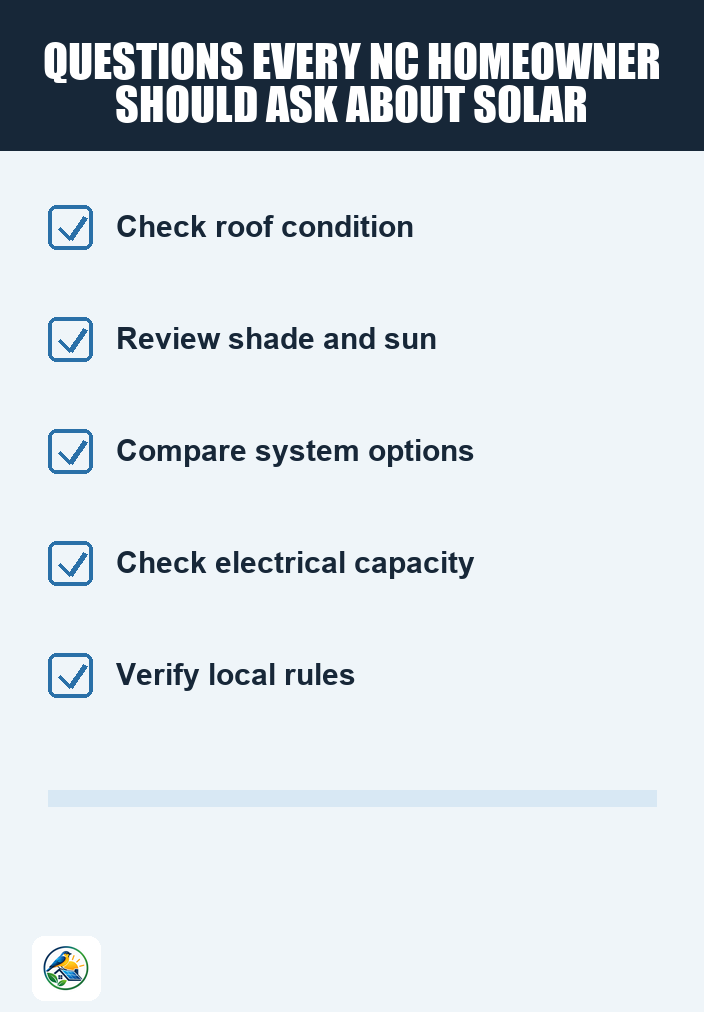
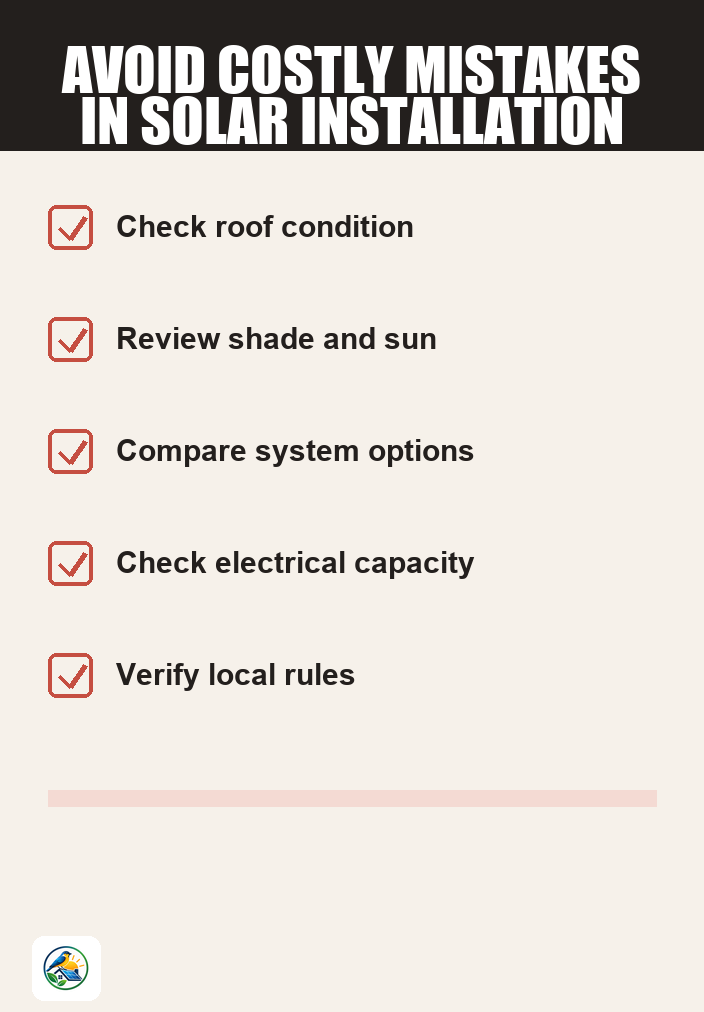
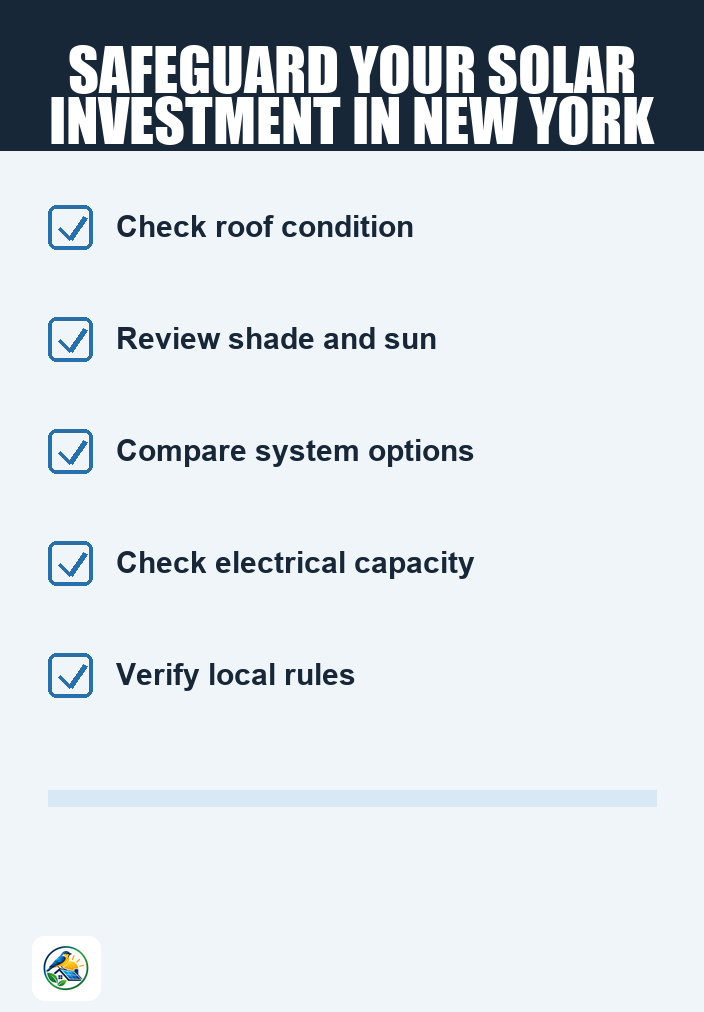
- Conduct a thorough evaluation of your home’s roof condition, orientation, and shading.
- Research local permitting and utility requirements, as well as potential fees.
- Compare quotes from multiple reputable installers, ensuring they provide itemized breakdowns of all costs, including hidden fees.
- Look into financing options and understand the long-term implications of each choice.
- Verify current local and state incentives to determine how they can impact your overall investment.
By taking these steps and understanding the hidden costs associated with solar installation, you can make a more informed decision about transitioning to solar energy in North Carolina.