Understanding the Cost Factors of Solar Installation in New York
As a homeowner in New York, considering a solar installation for your residential rooftop can feel overwhelming. With various cost factors to assess, it’s essential to understand what influences the pricing and how it may impact your decision. This article will help you navigate the cost landscape of solar installation, focusing on the specific elements that can affect your overall investment.
Breaking Down the Cost Factors
The cost of installing solar panels on your home depends on several key factors. Understanding these can help you make informed comparisons and decisions.
1. Equipment Costs
The primary components of a solar installation include solar panels, inverters, mounting systems, and potentially batteries. These elements vary in price based on their quality, efficiency, and brand. Here’s a closer look:
- Solar Panels: Typically, the cost fluctuates based on the panel’s efficiency and type (monocrystalline, polycrystalline, or thin-film).
- Inverters: The inverter converts DC electricity generated by the panels into AC electricity for home use. String inverters are often less expensive than microinverters but may not be suitable for all installations.
- Mounting Systems: The roof’s structure influences the type of mounting system required, impacting installation costs.
- Batteries: If you’re considering battery backup, you’ll need to factor in the cost of storage systems, which can significantly add to your total expenses.
2. Installation Labor
Labor costs can vary widely depending on the complexity of the installation, the company’s pricing structure, and local labor rates in New York. Factors influencing labor costs include:
- Roof Condition: If your roof requires repairs or reinforcements before installation, this will increase labor costs.
- System Size: Larger systems may take more time and resources to install, affecting labor expenses.
- Accessibility: Rooftops that are difficult to access can lead to higher labor costs due to the additional time and equipment needed.
3. Permitting and Interconnection Fees
In New York, obtaining the necessary permits for solar installation is crucial. The costs associated with permitting vary by municipality and can include:
- Building Permits: Most local governments require a building permit for solar installations, which has its own fee structure.
- Interconnection Fees: If your system connects to the grid, there may be fees associated with interconnecting your solar system to your local utility.
4. Utility Policies and Incentives
Understanding your local utility policies is vital for any homeowner considering solar. New York has various incentives and rebate programs, which can influence overall costs:
- Net Metering: This allows you to receive credits for excess energy your solar system produces, which can offset future utility bills.
- State Incentives: New York may offer state-specific incentives, but these programs can change. Verify the current availability and requirements to see how they can affect your costs.
- Federal Tax Credits: While federal incentives exist, their specifics can shift over time. Ensure you check the latest information and consult a tax professional for clarity.
5. Financing Options
How you choose to finance your solar installation can also impact the overall cost. Common options include:
- Cash Purchase: This option allows you to avoid financing costs but requires a significant upfront investment.
- Solar Loans: Financing your installation through a loan can make solar accessible, but consider interest rates and terms that may affect your total payment over time.
- Leasing: Some homeowners opt for leasing their solar systems, which may reduce upfront costs but could limit the financial benefits long-term.
Considerations Specific to Your Home
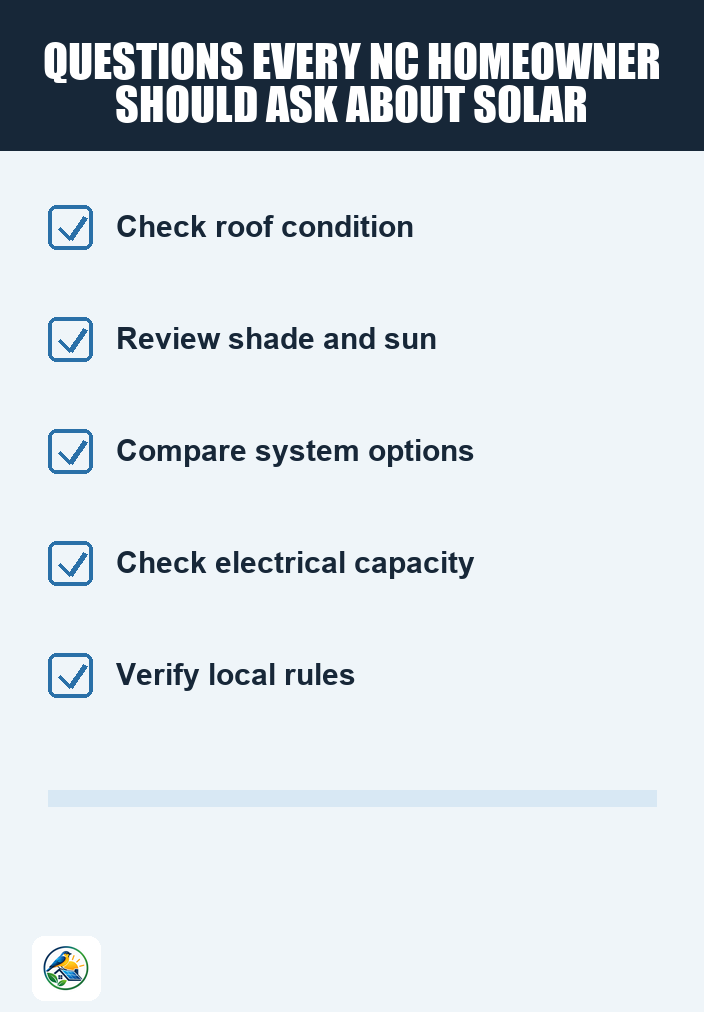
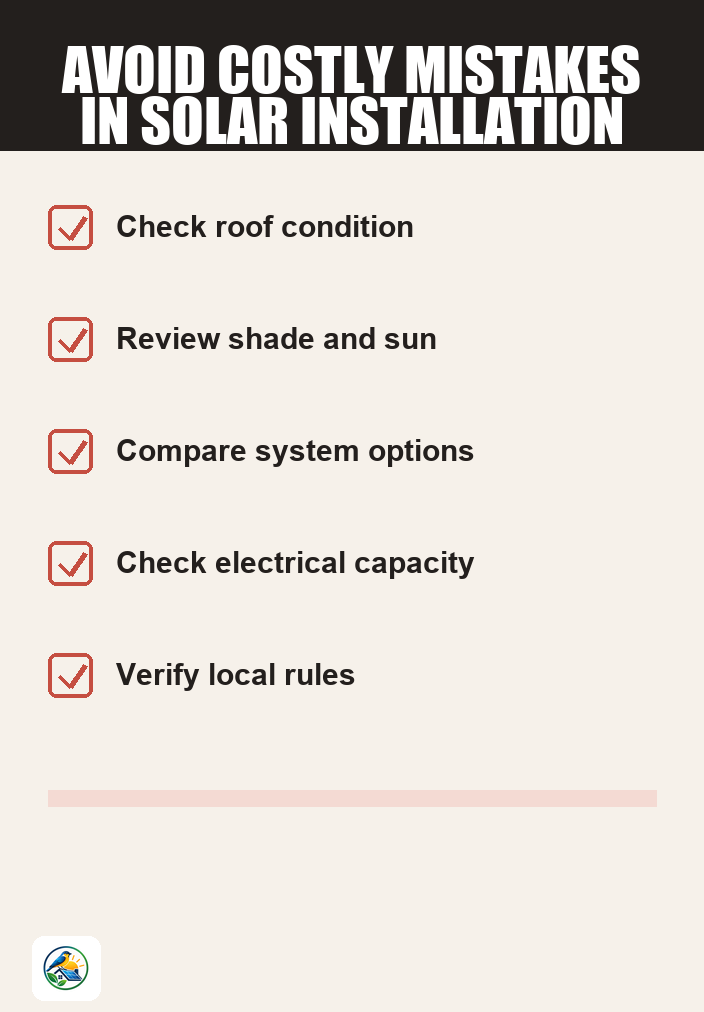
Every home presents unique challenges and opportunities for solar installation. Here are several factors to keep in mind when assessing if solar is right for you:
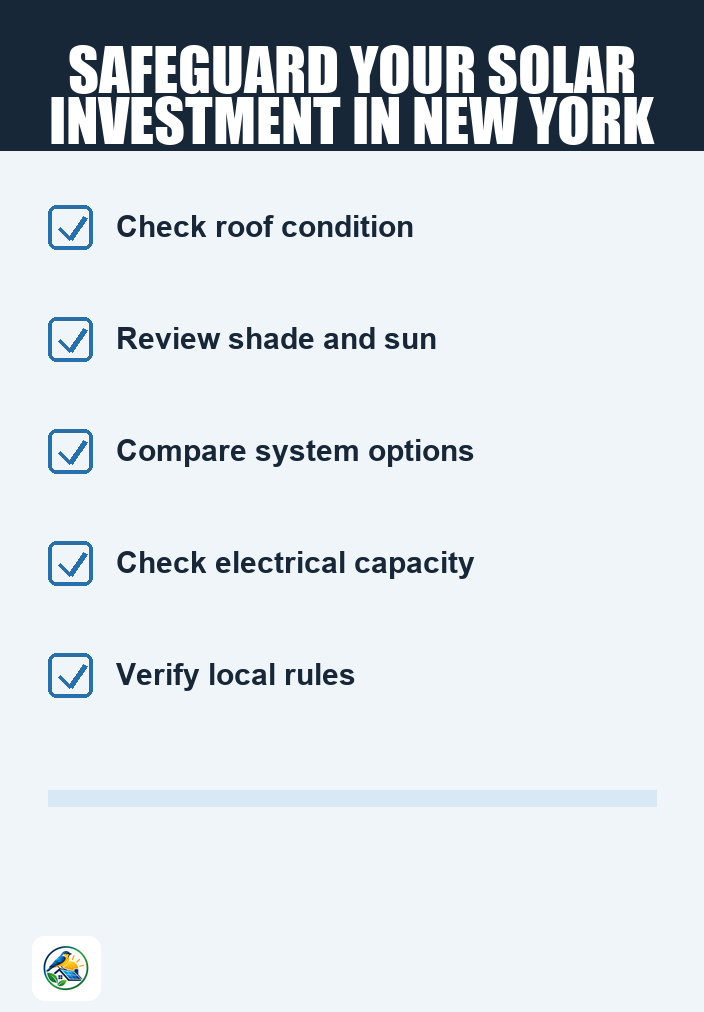
- Roof Orientation and Pitch: South-facing roofs typically receive the most sunlight, while shaded areas can significantly reduce energy production.
- Roof Condition and Age: If your roof is nearing the end of its lifespan, it may need repairs or replacement, adding to your initial costs.
- Energy Needs: Analyze your energy consumption patterns to determine the size of the system you may need. A larger system will increase costs, but it may also provide more savings if your energy needs are high.
The Importance of Comparing Quotes
Given the variability in costs, obtaining multiple quotes is essential. When reviewing potential installers, consider the following:
- Itemized Quotes: Request detailed quotes that break down equipment, labor, permitting, and any additional fees.
- Reputation and Experience: Research installers for quality work and customer satisfaction, as this can influence the long-term performance of your solar system.
- Warranty and Maintenance: Understand the warranties offered on equipment and services, as these can impact your system’s longevity and reliability.
Next Steps for Homeowners
As you consider solar installation, take the time to evaluate the factors discussed in this article. Understanding the costs involved will empower you to make informed decisions that align with your financial and energy goals. Start by reaching out to qualified solar installers in your area to obtain detailed quotes and explore your options. Comparing itemized quotes will help you gauge not just the total cost but also the value offered by different companies. Remember to verify current local utility, installer, government, or tax information to ensure you have the most accurate and relevant data for your situation.