Understanding When to Install Solar in Virginia
Deciding when to install a solar system on your Virginia home involves several factors, ranging from financial considerations to weather patterns and home conditions. This article aims to guide you through the key elements to consider when determining the right time for solar installation, helping you make an informed decision tailored to your specific situation.
Key Timing Considerations for Solar Installation
The optimal time for solar installation generally hinges on three main factors: local incentives, seasonal weather patterns, and your home’s specific conditions. Understanding these elements can help you pinpoint the right moment for moving forward with a solar project.
1. Local Incentives and Regulations
Virginia offers various incentives for homeowners looking to install solar systems. However, these incentives can shift due to legislative changes or state policies. Here are some considerations:
- State and Local Incentives: Check for any current state or local tax credits, rebates, or grants that could offset the initial cost of your solar installation.
- Net Metering Rules: Virginia has net metering policies that allow you to receive credit for the excess energy your system generates. Understanding the specifics of these rules can affect your savings potential.
- Utility Policies: Different utilities may have varying interconnection processes and policies. Researching these beforehand can provide insight into potential delays or additional requirements.
To ensure you are acting on the most current information, consult local resources or utility companies for the latest updates on available incentives.
2. Seasonal Weather Patterns
Virginia has distinct seasons that can impact solar energy production. Understanding these patterns can help you determine the best time to install your system:
- Sunny Days: Virginia generally experiences more sunny days in late spring and summer, which can lead to higher energy production once your system is operational.
- Installation Timing: Consider scheduling your installation in late winter or early spring. This allows time for inspections and permits, so your system can be up and running by the peak production months.
- Weather Considerations: Avoid installation during Virginia’s winter months, as snow or ice can delay the process and lead to additional complications.
3. Your Home’s Specific Conditions
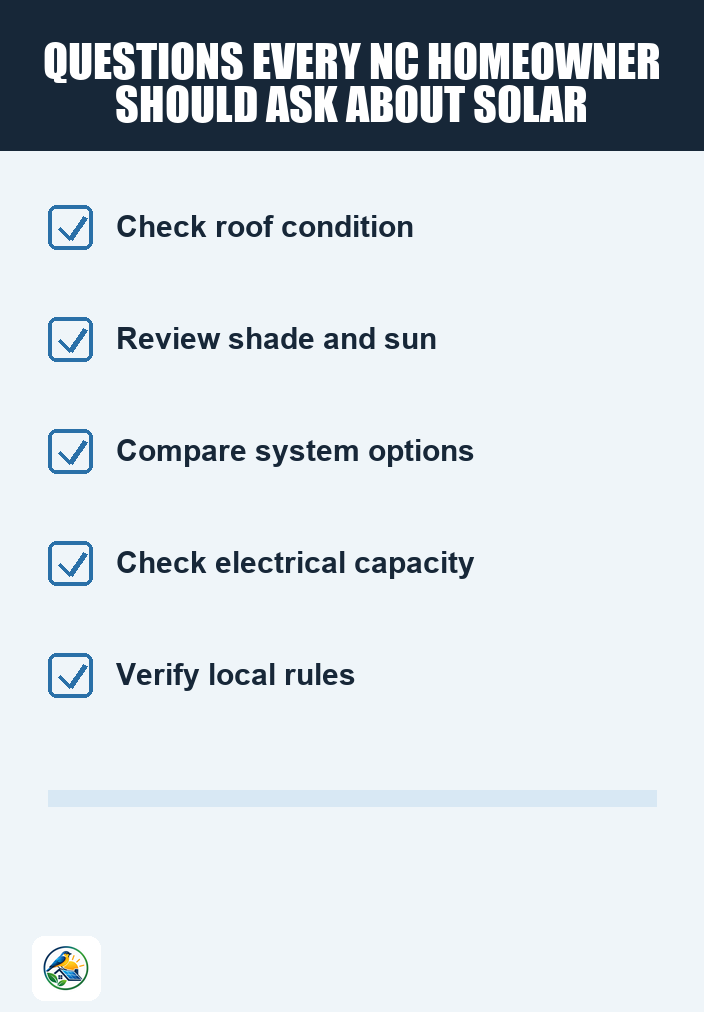
Before deciding on a solar installation, evaluate your home’s individual characteristics, such as:
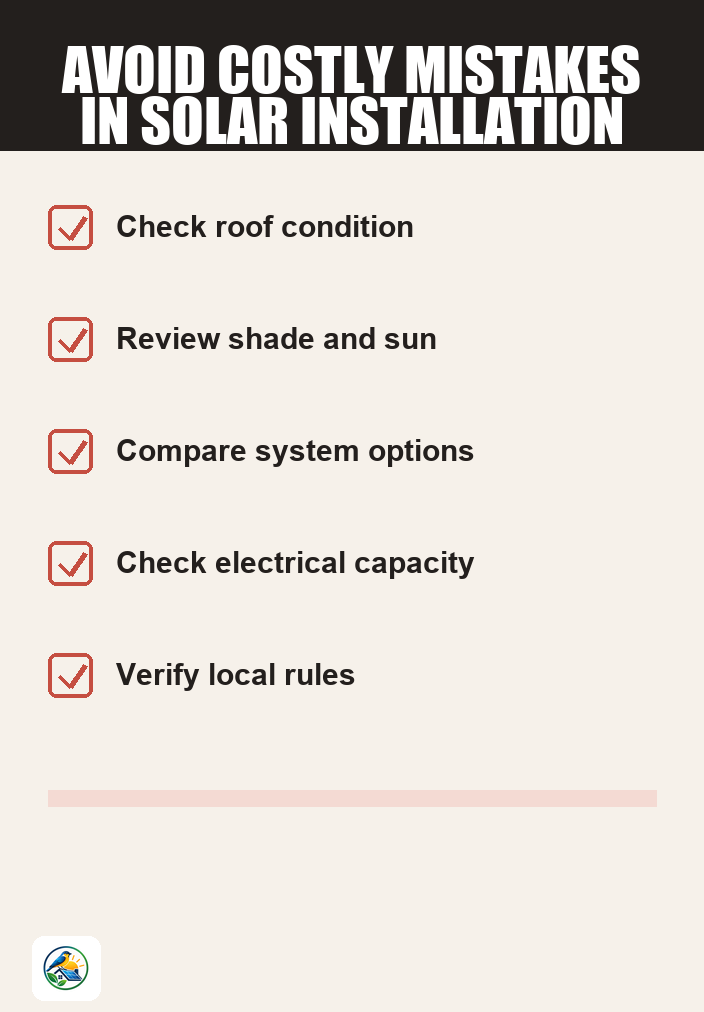
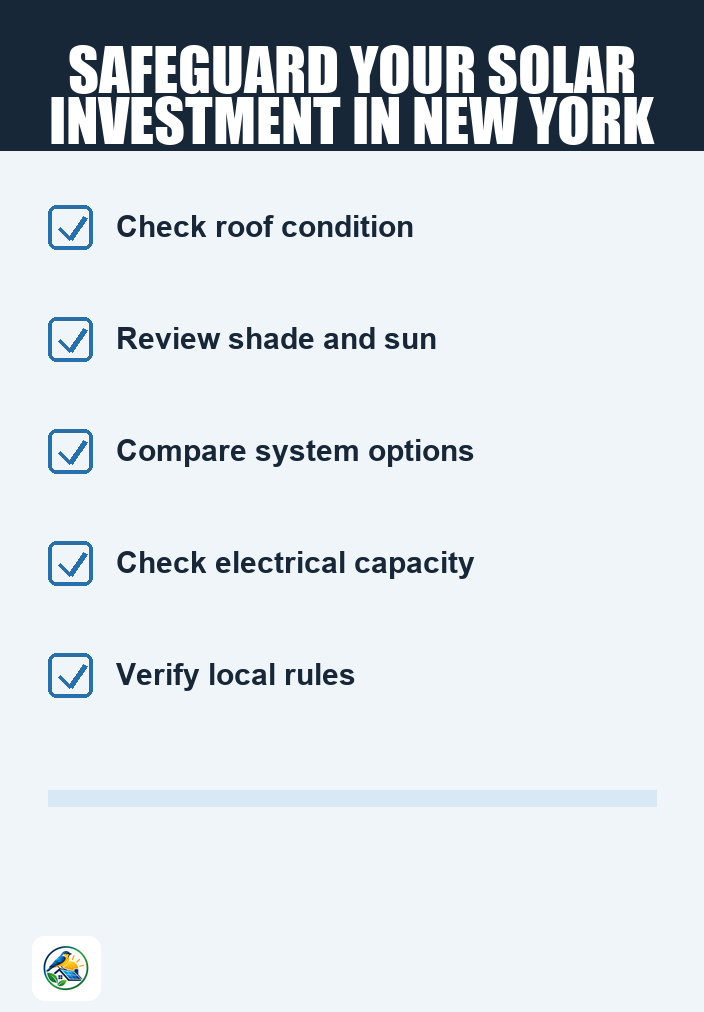
- Roof Condition: A roof in poor condition may need repairs or replacement before solar panels can be installed. Ensure your roof is structurally sound and free from significant damage.
- Orientation and Shade: Assess how much sunlight your roof receives throughout the day. Roofs facing south or west typically yield better energy production. Trees or nearby structures that cast shade can significantly reduce efficiency.
- Electrical System: An older electrical system may require upgrades to accommodate a solar installation. Consider any necessary electrical work as part of your project timeline.
Assessing System Options: Grid-Tied vs. Battery Backup
Choosing the type of solar system that suits your needs is crucial. Here are two common options:
- Grid-Tied Systems: These systems connect directly to the local grid, allowing you to draw power when needed and sell excess energy back. They tend to have lower initial costs but rely on grid availability.
- Battery Backup Systems: If you want energy independence or live in an area prone to outages, a battery storage system can provide power when the grid is down. However, these systems come with higher upfront costs and may require additional space for installation.
Evaluating Potential Drawbacks
While solar energy has many benefits, it’s important to weigh potential drawbacks:
- Initial Costs: Installing a solar system can require a significant upfront investment, depending on system size and equipment quality.
- Maintenance Needs: While solar systems generally require minimal maintenance, you may need to clean panels or address any issues that arise over time.
- Permitting and Approval Delays: The permitting process can vary greatly and may introduce delays. Be prepared for additional time before your system is operational.
Next Steps: Getting Quotes and Finalizing Your Decision
Once you have evaluated your home for solar readiness and considered the timing factors discussed, it’s time to take actionable steps:
- Obtain Itemized Quotes: Reach out to several qualified solar installers for detailed quotes. Ensure the quotes break down costs for equipment, installation, and any necessary upgrades.
- Compare Options: Review and compare the quotes side by side, paying close attention to warranties, equipment quality, and the installers’ reputation.
- Verify Incentives: Before making a final decision, confirm any applicable incentives or financing options available in your locality. This will help you understand the total financial commitment involved.
Determining the right time for solar installation in Virginia is not a one-size-fits-all approach. By considering local incentives, seasonal weather, and your home’s specific conditions, you can make a well-informed decision that aligns with your energy goals and financial circumstances.