
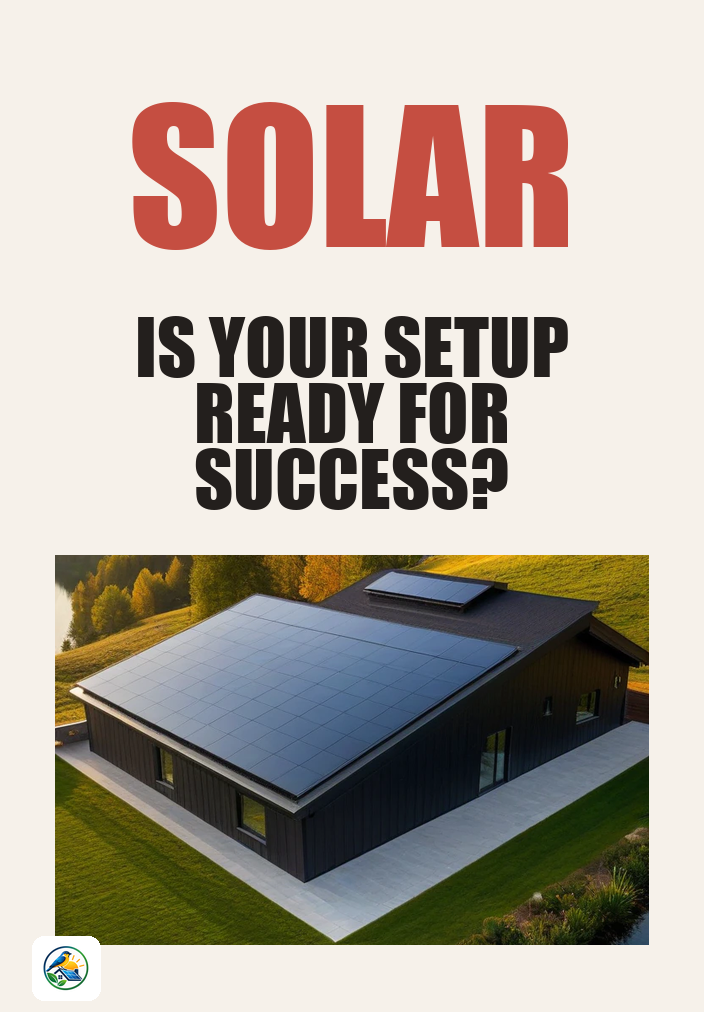
Understanding the Solar Landscape in California
Solar energy presents a compelling option for many homeowners in California, offering the potential for energy independence and environmental benefits. However, before diving into the installation process, it’s crucial to navigate the complexities that come with it. This article outlines an essential checklist to help you avoid common pitfalls when considering solar installation for your home.
Evaluating Your Home’s Suitability for Solar
Before you even think about contacting installers, assess whether your home is suitable for solar energy. Here are some factors to consider:
- Roof Condition: Ensure your roof is in good shape. If it needs repairs or replacement, tackle these issues first. A new roof will last longer than a solar system.
- Orientation and Pitch: South-facing roofs generally receive the most sunlight, but east and west-facing roofs can also be effective. Consider the pitch of your roof; a steeper roof may require different installation techniques.
- Shade Analysis: Identify any trees, buildings, or other structures that may cast shade on your roof during peak sun hours. Shade can significantly reduce solar panel efficiency.
Understanding Solar System Types
When considering solar installation, it’s essential to understand the different types of systems available:
- Grid-Tied Solar Systems: These systems connect directly to the power grid, allowing you to sell excess energy back to your utility. They are typically less expensive than other options but rely on the grid for energy when needed.
- Battery Backup Systems: If you want to store energy for use during outages or at night, consider a battery backup system. This setup can offer peace of mind but typically comes with higher installation costs.
- Off-Grid Solar Systems: Ideal for remote locations, these systems are self-sufficient and do not rely on the grid. However, they require a significant investment in batteries and storage solutions.
Researching Local Incentives and Regulations
California offers various incentives for solar energy, but these can change frequently. Research local utility policies, permitting requirements, and any available state or federal tax credits. Here are some steps to take:
- Contact Your Utility Company: Understand their net metering policies, which determine how you get compensated for excess energy your system produces.
- Check for Local Incentives: Some cities or counties may offer rebates or incentives for solar installation. Verify current offerings through local government websites.
- Review Permitting Requirements: Different jurisdictions have distinct permitting processes. Check with your local building department to understand what documentation you’ll need.
Choosing the Right Installer
Selecting a qualified solar installer is crucial. Here’s how to ensure you make a wise choice:
- Check Credentials: Look for installers who are licensed, insured, and have good standing with the Better Business Bureau.
- Read Reviews: Look for reviews on independent platforms to get a sense of customer satisfaction and experiences.
- Request Multiple Quotes: Obtain itemized quotes from at least three different installers to compare pricing, equipment options, and warranties.
Understanding Financing Options
Installing solar panels can be a significant investment. Explore the various financing options available:
- Cash Purchase: If you can afford it, paying cash is often the most straightforward option, avoiding any interest or financing fees.
- Solar Loans: Many financial institutions offer loans specifically for solar installations. Understand the terms and interest rates before proceeding.
- Leases and Power Purchase Agreements (PPAs): These options allow you to install solar with little to no upfront cost but can come with long-term commitments. Make sure to read the fine print.
Preparing for Installation
Once you’ve chosen an installer and secured financing, prepare your home for the installation process:
- Clear the Work Area: Ensure that the installation area is accessible to the installers, removing any obstructions or debris.
- Communicate: Discuss any specific concerns or preferences with your installer to ensure that you are on the same page regarding the installation process.
- Plan for Outages: Be aware that some installations may require a brief power outage. Plan accordingly, especially if you work from home or rely on electricity for medical devices.
Post-Installation Considerations
After installation, keep the following in mind:
- Monitor Your System: Use monitoring tools to keep track of your solar system’s performance. This can help identify any potential issues early.
- Regular Maintenance: While solar systems require minimal maintenance, keep an eye on your panels for dirt or debris that could affect efficiency.
- Stay Informed: Keep yourself updated on any changes in local utility policies or incentives, as these can impact the value of your solar investment.
Next Steps
Installing solar panels can offer benefits but also comes with its share of challenges. Start by evaluating your home’s suitability and conducting thorough research on local regulations and incentives. Obtain multiple, itemized quotes from qualified installers to make an informed decision. Remember to verify any current incentives or financing options to ensure they align with your goals. With careful planning, you can enjoy the benefits of solar energy while avoiding common pitfalls.


















