Understanding the Solar Landscape in Florida
As a Florida homeowner considering a solar installation, you have a unique opportunity to harness abundant sunshine for your energy needs. However, navigating the various options available can feel overwhelming. This article aims to break down the choices, trade-offs, and considerations that come with installing a residential rooftop solar system in Florida.
Types of Solar Systems: What’s Right for You?
When exploring solar options, the first step is understanding the different types of systems available. Each type has its own advantages and limitations, which can affect your decision-making process.
Grid-Tied Solar Systems
Grid-tied systems are the most common choice for homeowners. These systems are connected to the local utility grid, allowing you to draw power from the grid when your solar panels aren’t producing enough electricity (like during cloudy days or at night). Key features include:
- Net Metering: In Florida, net metering allows homeowners to receive credit for the excess energy their solar system generates and sends back to the grid.
- Lower Initial Costs: Without the need for batteries, grid-tied systems typically have lower upfront installation costs.
Battery Backup Systems
If you want more control over your energy usage, a battery backup system might be a good fit. These systems store excess energy generated during the day for use at night or during power outages. Considerations include:
- Increased Independence: Batteries can provide backup power during outages and during peak grid demand times.
- Higher Costs: Installing a battery system adds to the initial cost and requires more maintenance.
Off-Grid Solar Systems
Off-grid systems are standalone systems that are not connected to the utility grid. This option is suitable for remote areas but comes with significant challenges:
- Complete Independence: No reliance on utility power, offering energy security.
- High Costs and Complexity: Off-grid systems require a larger initial investment and careful planning to ensure energy needs are met year-round.
Evaluating Your Home’s Suitability for Solar
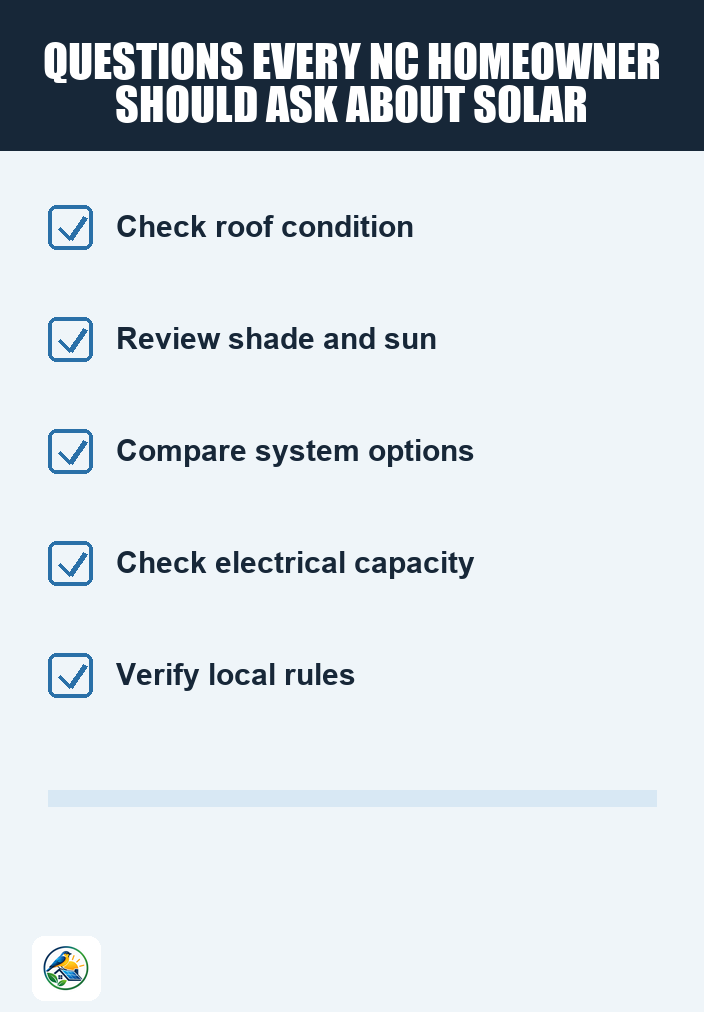
Before diving into installation quotes, evaluate your home’s specific characteristics that affect solar system performance:
Roof Condition and Orientation
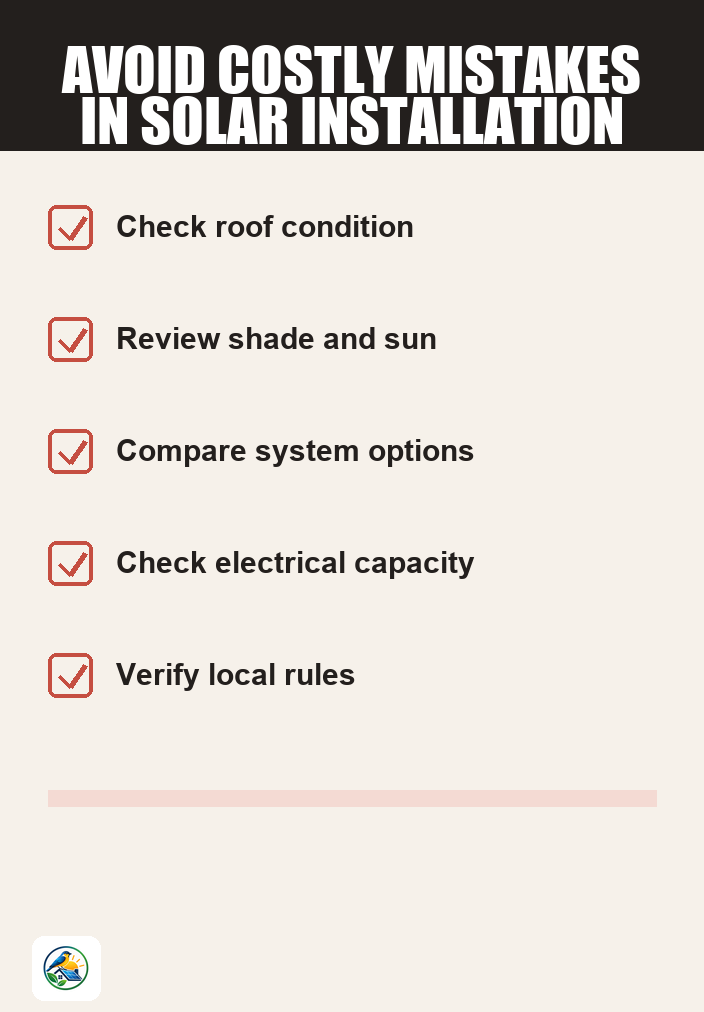
- Roof Condition: Ensure your roof is in good shape and can support the additional weight of solar panels. If your roof needs repairs or replacement, consider addressing this before installation.
- Orientation and Tilt: South-facing roofs are ideal for maximizing sun exposure, while east and west orientations can still be effective. The angle of your roof also impacts efficiency; roofs with a pitch between 15 and 40 degrees tend to be best.
Shade Assessment
Shade from trees, buildings, or other structures can significantly reduce the efficiency of your solar panels. Conduct a thorough assessment to identify potential shading issues. If shading is unavoidable, options such as microinverters or optimizers can help mitigate some losses.
Understanding Costs and Financing Options
Costs for solar installations can vary widely based on system size, equipment, and local factors. Here are some points to consider:
Initial Investment
While the average cost of solar systems has decreased, the initial investment can still be significant. Request itemized quotes from multiple installers to compare prices and understand what is included in the cost.
Financing Options
- Cash Purchase: Paying upfront can maximize long-term savings but may not be feasible for everyone.
- Loans: Many homeowners opt for solar loans that allow them to pay for the system over time. Ensure you understand the interest rates and terms involved.
- Leases and Power Purchase Agreements (PPAs): These options allow you to use solar energy without the upfront cost, but they often come with long-term commitments and may limit your savings.
Incentives and Rebates
Before proceeding, familiarize yourself with potential incentives and rebates available for solar installations in Florida. These can include:
- Federal Tax Credit: Homeowners may be eligible for a federal tax credit for a percentage of their solar installation costs. Verify current information, as these incentives can change.
- State and Local Programs: Explore any additional state or local incentives that might help offset costs.
Permitting and Interconnection
Before installation can begin, permits must be obtained, and your system must be interconnected with the local utility. This process can vary by location:
- Permitting: Check with your local building department for specific permitting requirements, which can involve inspections and approvals.
- Interconnection: Understand your utility’s interconnection process and requirements to ensure your system can be connected to the grid.
Choosing the Right Installer
The choice of installer can significantly impact your solar experience. Look for the following:
- Experience and Reputation: Research local installers, read reviews, and check their track record with previous clients.
- Certifications: Ensure the installer holds necessary certifications and licenses required in Florida.
- Warranty and Maintenance Options: Ask about warranties for both equipment and installation, and inquire about ongoing maintenance services.
Next Steps: Making Your Solar Decision
As you consider solar installation for your Florida home, take the time to compare itemized quotes from qualified installers. Evaluate the options that make sense for your unique situation, and do not hesitate to ask questions about any aspect of the installation process. Remember, careful planning and informed choices are key to making the most of your investment in solar energy.