Understanding Financing Options for Solar Installation in Florida
When considering the installation of a solar energy system in Florida, homeowners face a crucial decision: how to finance the project. With various options available, each with its own pros and cons, it’s essential to evaluate them carefully to find the best fit for your financial situation and energy needs. This article will guide you through the different financing options, their trade-offs, and key considerations for your solar installation.
Types of Financing Options
Homeowners in Florida typically have several financing options for solar installation. Below are some of the most common methods:
- Cash Purchase: Paying for your solar system outright is the simplest method. While it requires a significant upfront investment, it eliminates monthly payments and maximizes your return on investment over time.
- Solar Loans: These loans allow homeowners to borrow money to finance the solar installation. They can be secured or unsecured, and they typically have fixed interest rates. Monthly payments are made over a set period, and the system is owned by the homeowner.
- Leases: With a solar lease, a third-party company owns the solar system and installs it on your roof. Homeowners pay a fixed monthly lease payment for the use of the system. While this option often requires little to no upfront cost, it may not provide the same financial benefits as ownership.
- Power Purchase Agreements (PPAs): Similar to leases, PPAs involve a third-party ownership structure. However, instead of a fixed lease payment, homeowners pay for the electricity generated by the solar system at a predetermined rate. This option can offer savings over time but also limits ownership benefits.
Evaluating Your Financing Options
To determine the best financing option for your solar installation, consider the following factors:
Initial Costs vs. Long-Term Savings
One of the most significant trade-offs between financing options is the balance between initial costs and potential long-term savings. A cash purchase might have a high upfront cost, but it can lead to greater savings over the life of the system. Conversely, financing through loans or leases may reduce upfront expenses but can lead to higher overall costs due to interest or lease payments.
Your Credit Score
Your credit score plays an essential role in determining your financing options. A higher credit score can provide access to better loan terms, including lower interest rates. If you have a lower credit score, you may need to explore alternative financing options or consider improving your credit before applying for a loan.
System Ownership
Ownership of the solar system carries different implications for financial benefits. If you own the system through a cash purchase or solar loan, you may be eligible for tax credits, rebates, and other incentives. In contrast, leasing or entering into a PPA means a third party retains ownership, which can limit your access to these financial benefits.
Comparing Quotes from Installers
When evaluating financing options, obtaining quotes from multiple qualified solar installers is crucial. Here are some steps to effectively compare these quotes:
- Request Itemized Quotes: Ask installers for detailed, itemized quotes that break down costs, financing options, and potential savings. This transparency helps you understand what you are paying for.
- Compare System Specifications: Ensure that the quotes include comparable equipment specifications. Look for details on panel efficiency, inverter quality, and warranty terms.
- Evaluate Financing Terms: Examine the financing terms offered by each installer, including interest rates, length of the loan, and any penalties for early repayment. This information is vital for assessing the total cost of financing.
- Inquire About Incentives: Ask each installer about available incentives and how they apply to your situation. This includes federal tax credits, state rebates, or local incentives that may be applicable to your installation.
Considerations for Your Specific Situation
Several factors unique to your home and financial situation can significantly impact your solar installation experience:
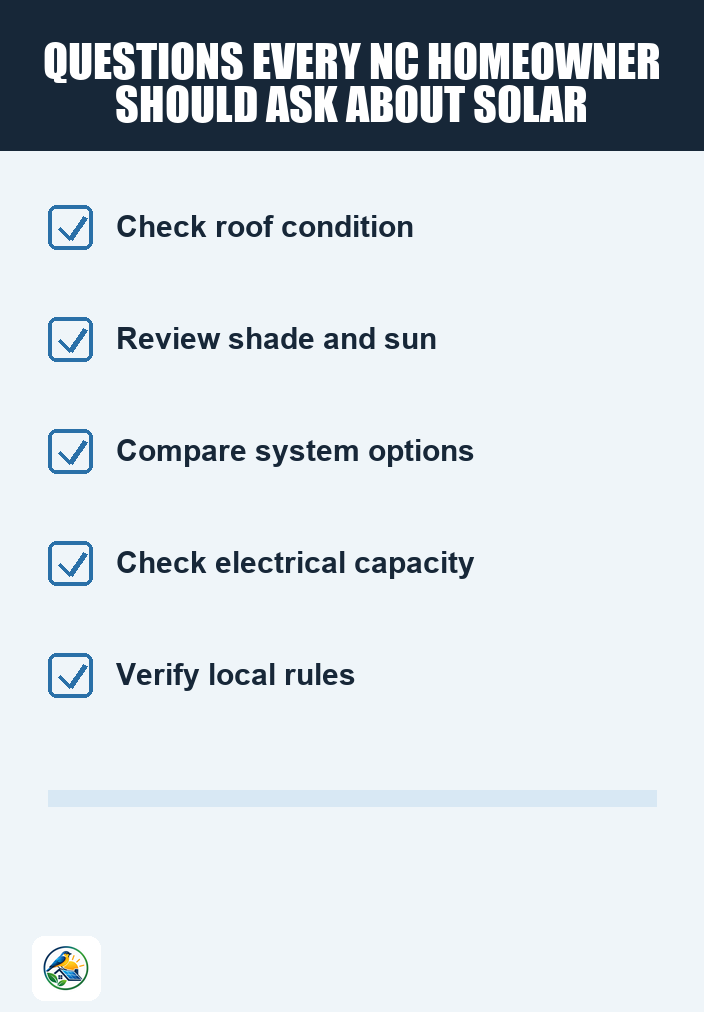
Roof Condition and Orientation
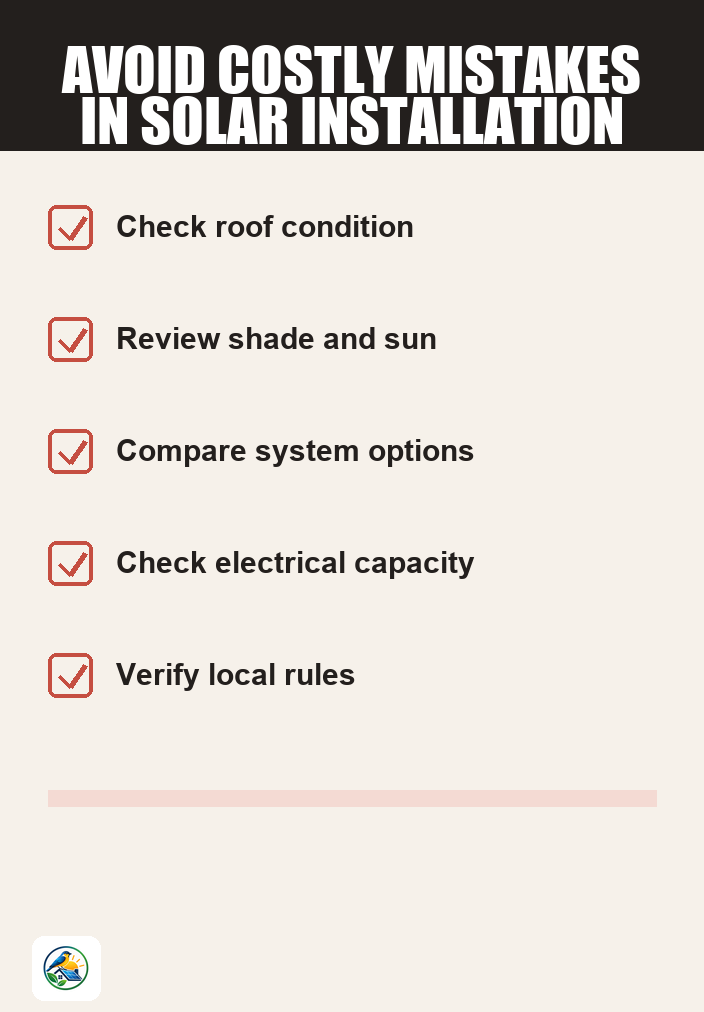
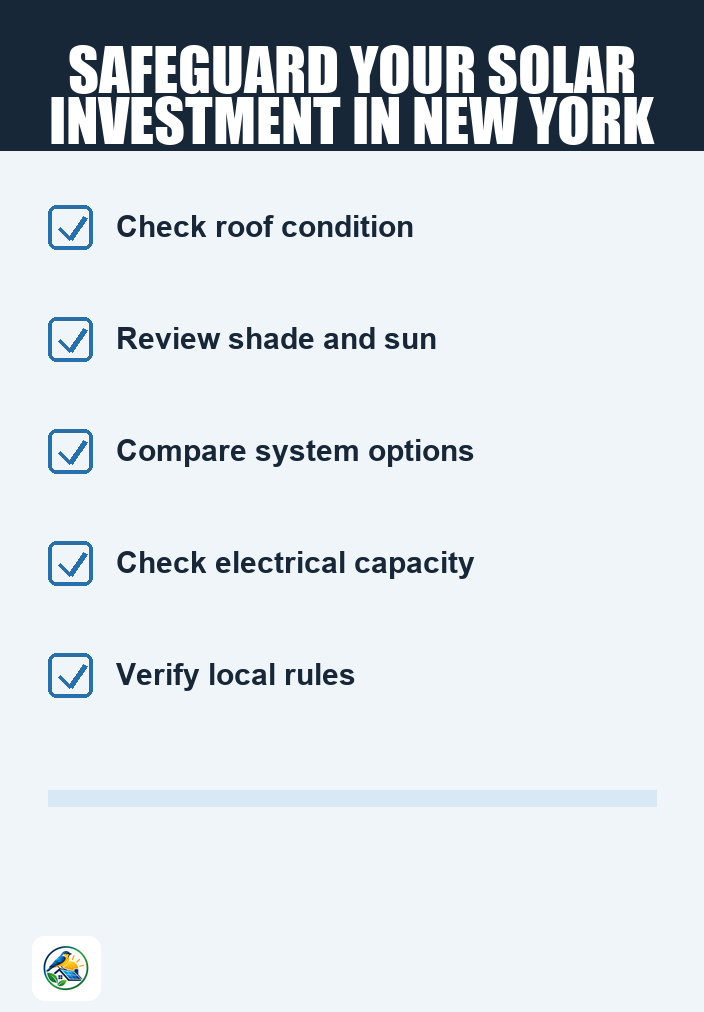
The condition and orientation of your roof can affect the viability of a solar installation. If your roof needs repairs or has inadequate sun exposure due to shade from nearby trees or buildings, it may require additional investment or a different approach to installation.
Electrical System Upgrades
A solar installation may necessitate upgrades to your electrical system to accommodate the new energy source. These upgrades can add to the overall cost, so it’s essential to factor them into your financing considerations.
Weather and Climate Considerations
Florida’s weather patterns can impact solar production, particularly during hurricane season. Homeowners should consider the durability of the equipment, including how well it can withstand severe weather events.
Next Steps
Choosing the right financing option for your solar installation in Florida requires careful consideration of your personal finances, home characteristics, and available incentives. To make an informed decision:
- Research and understand the different financing options available to you.
- Obtain itemized quotes from multiple qualified solar installers.
- Evaluate each quote based on total costs, system specifications, and financing terms.
- Verify any incentives with local utility providers or government resources to ensure you understand what is available to you.
By diligently comparing your financing options and installer quotes, you can make an informed decision that aligns with your financial goals and energy needs.