Understanding the Solar Installation Permit Process in Florida
For new homeowners in Florida considering a rooftop solar system—potentially with a home battery—the permitting process can seem daunting. However, understanding the steps involved can make the journey smoother and more manageable. This article will guide you through the essential aspects of solar installation permits in Florida, helping you to navigate the requirements as you consider your options.
Why Permits Matter
Permits are crucial for ensuring that your solar installation meets local building codes and safety standards. They protect you as a homeowner and ensure that the installation is done correctly and safely. Failing to secure the proper permits can lead to fines, installation delays, or even the removal of your solar system. Thus, a strong grasp of the permitting landscape is essential before you embark on your solar journey.
Types of Solar Systems and Their Permitting Requirements
Before diving into the permit process, it’s important to understand the types of solar systems available. Each type may have different requirements for permits and interconnections.
- Grid-Tied Solar Systems: These systems connect to the electrical grid and allow you to utilize net metering. Permits are typically required for both the solar installation and the interconnection to the grid.
- Battery Backup Systems: If you plan to install a battery to store solar energy, additional permits may be needed, particularly if the battery system exceeds certain energy capacities.
- Off-Grid Systems: These systems operate independently of the grid and may have different permit requirements, especially related to local zoning regulations.
- Generators: If you are considering a generator as part of your energy strategy, these also require specific permits, often based on local noise ordinances.
Steps to Obtain Solar Installation Permits in Florida
Here’s a practical overview of the steps typically involved in obtaining solar installation permits in Florida:
1. Research Local Regulations
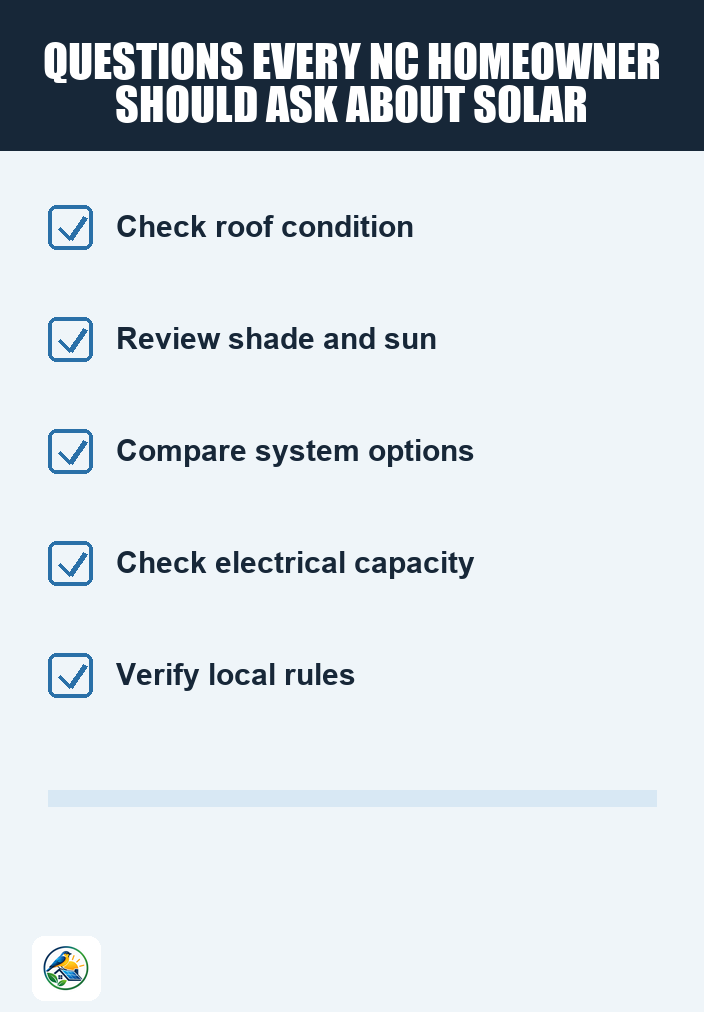
Each municipality in Florida may have different permitting rules for solar installations. Research your local regulations to understand what is required in your area. This may include zoning laws, building codes, and any homeowner association (HOA) rules that could impact your installation.
2. Choose a Qualified Installer
Hiring a qualified solar installer is critical. A reputable installer will not only help you design your solar system but will also be familiar with local permitting processes. They can often handle the paperwork on your behalf, making the process much easier for you.
3. Prepare Necessary Documentation
Documentation required for a solar permit can vary but generally includes:
- Site plans showing the layout of the solar system on your roof.
- Electrical diagrams detailing the system’s components and connections.
- Proof of homeowner association approval (if applicable).
- Structural assessments to ensure your roof can support the solar panels.
4. Submit Application for Permits
Once you have all your documents ready, you or your installer will submit the application for the necessary permits to your local building department. This step may come with application fees, which vary by locality.
5. Wait for Approval
After submission, there may be a waiting period for the permit approval. During this time, local authorities may review your application to ensure compliance with all regulations. Be prepared to address any questions or additional requirements they may have.
6. Schedule an Inspection
Once your permits are approved, your installer will typically schedule an inspection. This is a crucial step to ensure that the installation meets safety and code requirements. The inspector will check the installation and verify that it adheres to the submitted plans.
7. Final Approval and Interconnection
After passing the inspection, you will receive final approval for your solar system. If you have a grid-tied system, your installer will also help you with the interconnection process with your utility company. This allows you to begin using solar energy and potentially participate in net metering.
Common Challenges and Considerations
While the process may seem straightforward, there are several challenges and considerations to keep in mind:
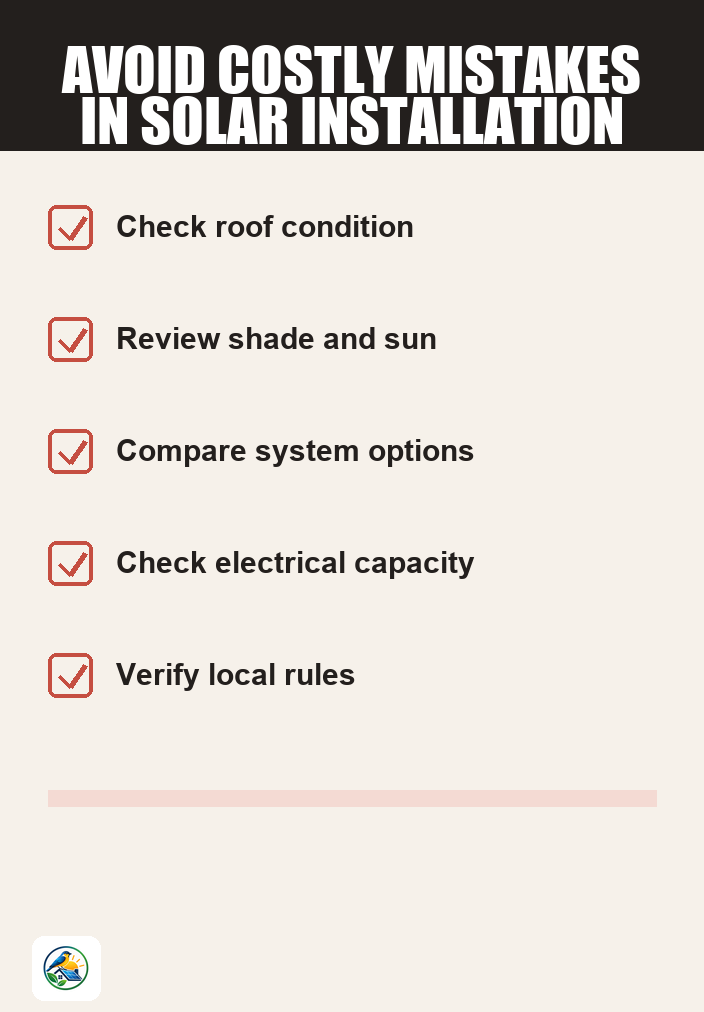
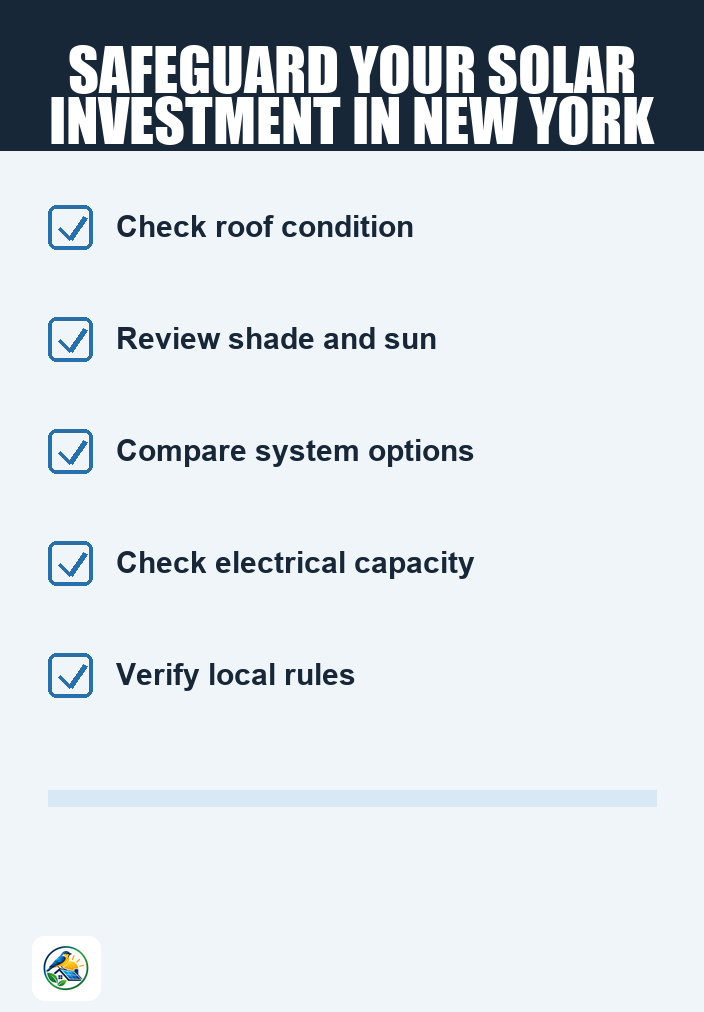
- Roof Condition: Ensure your roof is in good condition before installation. Repairs may be necessary, which could complicate or delay the permitting process.
- Shading and Orientation: The effectiveness of your solar system can be impacted by shading from trees or nearby structures. A professional assessment can help determine the best placement for solar panels.
- Electrical Upgrades: Older homes may require electrical upgrades to support a new solar system, which can add time and cost to your project.
- Weather Considerations: Florida’s weather can impact installation schedules. Be prepared for potential delays due to rain or storms.
- Utility Rules: Familiarize yourself with local utility policies regarding net metering and interconnection, as these can affect your overall solar strategy.
Next Steps for New Homeowners
As you consider installing a solar system, it’s essential to gather quotes from qualified installers. Focus on itemized quotes that break down costs, equipment, and installation services. A detailed quote can help you compare options effectively and make an informed decision.
Remember, the solar landscape can be complex and varies significantly by location. Always verify local utility, installer, government, and tax information to ensure you have the most accurate and up-to-date details.
Taking the time to understand the permitting process and working with trustworthy professionals can pave the way for a successful solar installation that aligns with your energy goals.