Understanding Solar Options in Massachusetts
If you’re considering a solar energy system for your home in Massachusetts, you’re not alone. The state has become increasingly popular for solar installations due to its commitment to renewable energy and various incentive programs. However, before you dive into the world of solar, it’s essential to know what options are available, the factors to consider, and the potential trade-offs involved.
Types of Solar Energy Systems
Before installing solar panels on your roof, it’s crucial to understand the different types of systems available:
- Grid-Tied Systems: These systems connect to the local power grid, allowing you to draw electricity from the grid when your solar panels aren’t producing enough. This is the most common type of residential solar system.
- Battery Backup Systems: These systems include a battery that stores excess energy generated by your solar panels. In the event of a power outage or during periods of low sunlight, you can draw power from the battery, providing more energy independence.
- Off-Grid Systems: These systems are not connected to the grid and require a larger battery storage capacity to ensure you have electricity at all times. They are typically more expensive and suited for remote locations.
- Hybrid Systems: Combining grid-tied and battery backup systems, hybrids allow you to store energy while still being connected to the grid.
Key Considerations Before Installing Solar
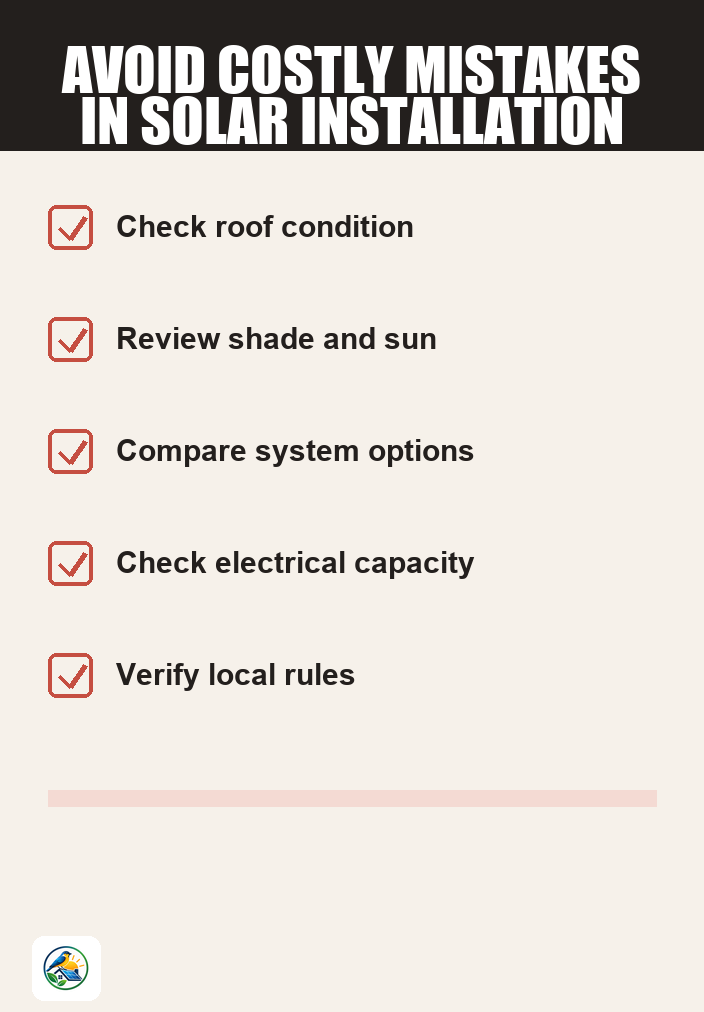
Installing solar panels involves several important considerations that can affect your decision:
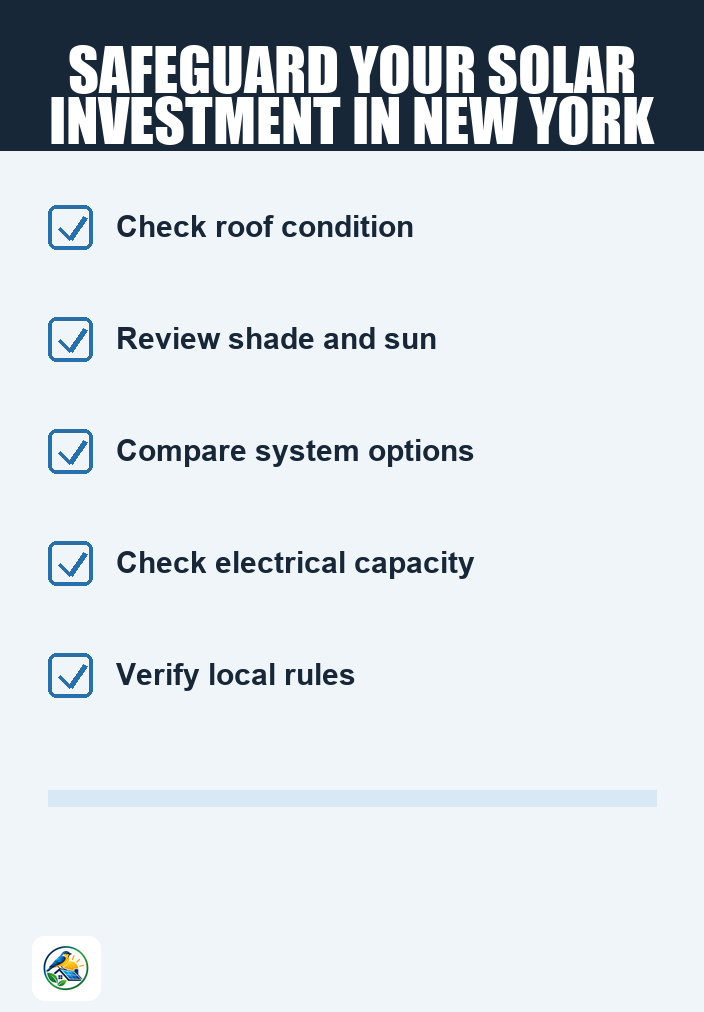
1. Roof Condition and Orientation
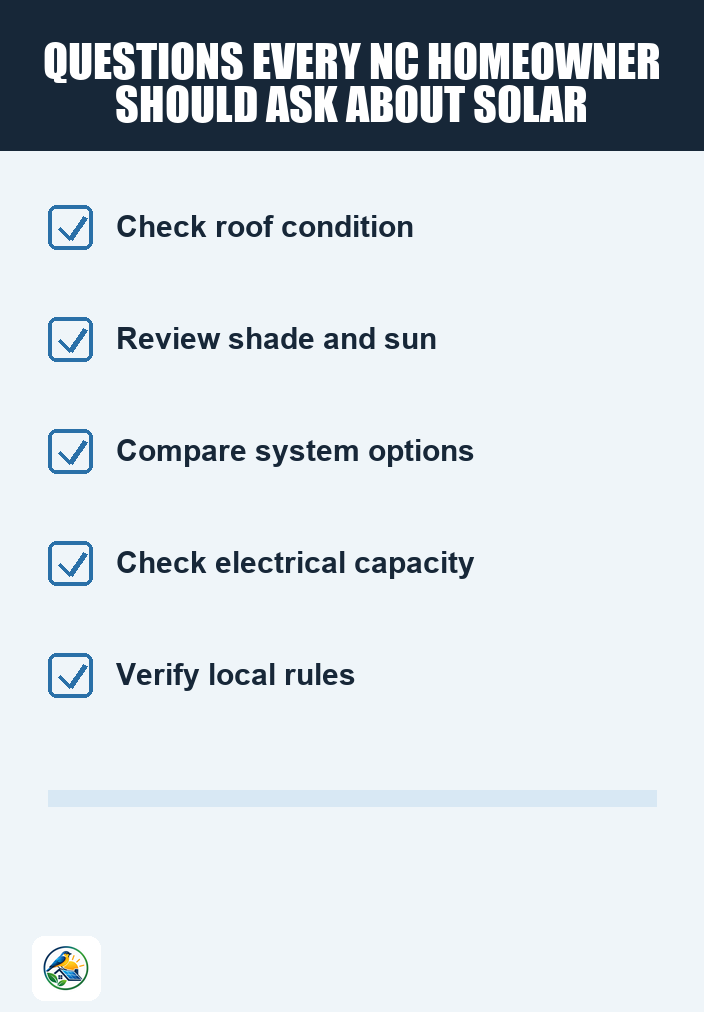
Your roof’s condition is paramount. A roof needing repairs or replacement may not be a good candidate for solar installation. Additionally, the orientation of your roof significantly impacts energy production. South-facing roofs typically receive the most sunlight, while those that are shaded by trees or buildings may generate less energy.
2. Local Regulations and Permitting
Before installing solar panels, you will need to navigate local zoning laws and building permits. Massachusetts has specific regulations that may vary by municipality. Working with a qualified installer can help you understand these requirements and ensure compliance.
3. Electrical Upgrades
In some cases, you may need to upgrade your electrical panel or wiring to accommodate a solar energy system. This can add to the overall cost but is crucial for ensuring your home can handle the new energy load.
4. Incentives and Financing
Massachusetts offers a variety of incentives for solar installations, including state tax credits, rebates, and net metering policies. These incentives can significantly impact the cost of your solar system. However, it’s essential to verify the current incentive landscape, as these programs can change. Consulting with a professional installer can provide clarity on what you may qualify for.
5. Energy Consumption Patterns
Understanding your home’s energy consumption is vital. Consider how much electricity you use and when you use it most. This will help you determine the size of the system you need. A professional installer can conduct an energy audit to provide insights into your usage patterns and recommend an appropriate system size.
6. Long-Term Plans
Consider your long-term plans for your home. If you plan to move within a few years, the financial benefits of solar may not be fully realized before you sell the property. Additionally, if you plan to expand your family or make significant changes to your energy consumption, this could also affect your solar needs.
Comparing Solar Installers
Once you’ve assessed your options and considerations, it’s time to start getting quotes from solar installers. Here are some tips on what to look for:
- Itemized Quotes: Ensure that each quote breaks down the costs of equipment, installation, permits, and any potential fees. This will help you compare apples to apples.
- Experience and Reviews: Look for installers with a proven track record in Massachusetts. Check their reviews and ask for references to gauge customer satisfaction.
- Warranties: Understand the warranties offered for both the solar panels and the installation. A reliable warranty can provide peace of mind for years to come.
- Financing Options: Inquire about financing options available through the installer, including loans and leasing arrangements.
Potential Drawbacks of Solar Installation
While solar energy has many benefits, there are drawbacks to consider:
- Initial Costs: The upfront cost of solar panels and installation can be significant, even with incentives. It’s essential to weigh this against your financial situation.
- Maintenance: Solar panels generally require low maintenance, but they should be periodically cleaned to ensure efficiency, especially in areas with heavy pollen or bird activity.
- Weather Dependency: Solar energy production can be affected by weather conditions. Massachusetts experiences varying weather patterns, including snow and rain, which can temporarily reduce energy output.
- Battery Limitations: If considering battery backup, understand that battery systems have limitations in terms of storage capacity and lifespan. They can also add to the overall cost of your solar installation.
Next Steps for Homeowners
Installing solar panels in Massachusetts can be a significant investment, but with careful planning and consideration, it can also provide valuable benefits. Start by evaluating your roof, energy needs, and local regulations. Then, gather and compare itemized quotes from qualified installers in your area. This will help you make an informed decision about whether solar is a good fit for your home.
Remember, the world of solar energy is ever-evolving. Stay informed about local incentives and regulations, and don’t hesitate to reach out to professionals for guidance as you navigate your solar journey.