Understanding Solar Installation Options in North Carolina
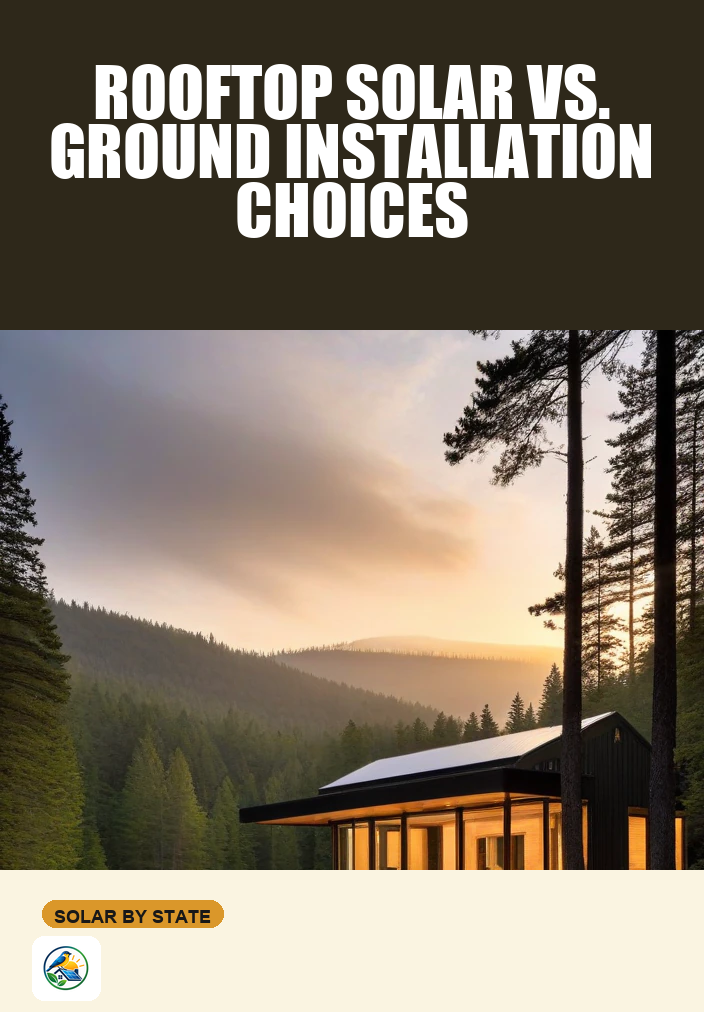
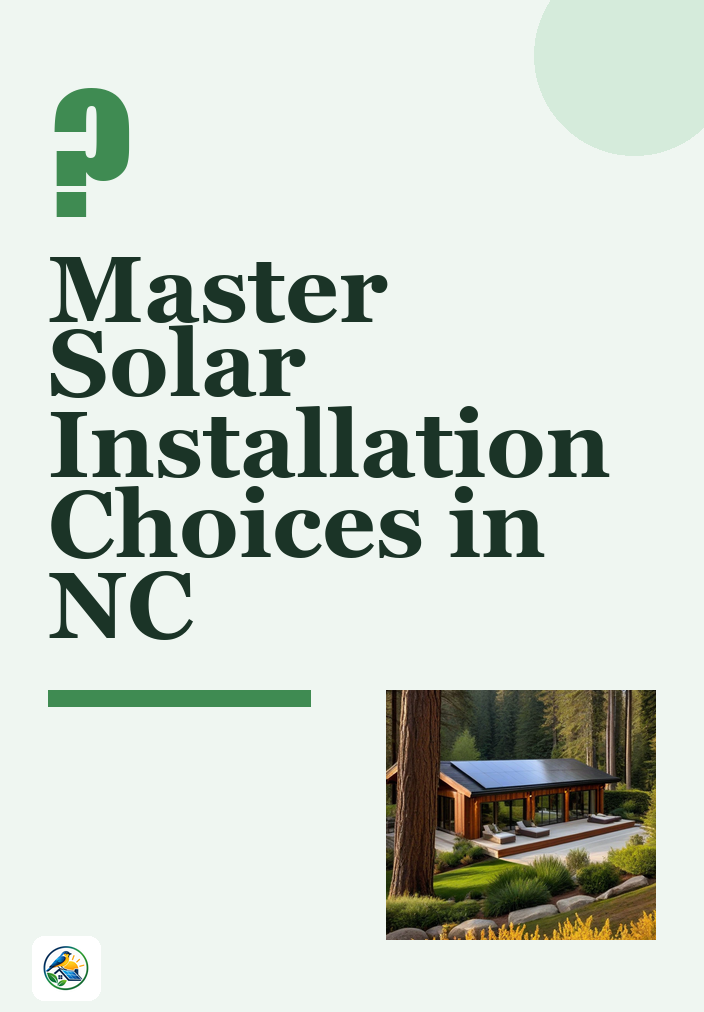
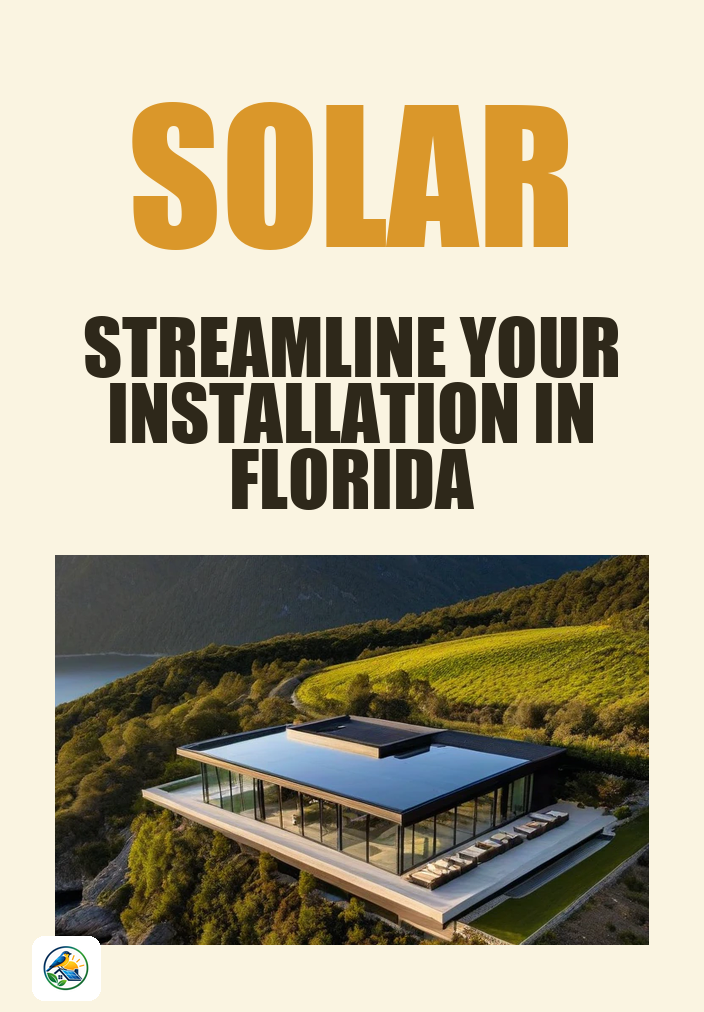
For homeowners in North Carolina, the appeal of solar energy is growing. With abundant sunshine and various incentives, many are considering the installation of a residential rooftop solar system. However, deciding on the right solar solution can be complex. In this article, we’ll explore the options available for solar installation, the trade-offs involved, and the factors homeowners should consider before making a decision.
Types of Solar Systems
Before diving into specifics, it’s essential to understand the different types of solar systems available:
- Grid-Tied Solar Systems: These systems are connected to the local utility grid. They allow homeowners to draw electricity from the grid when solar production is low and sell excess energy back to the grid, often through net metering agreements.
- Off-Grid Solar Systems: Completely independent of the utility grid, off-grid systems require battery storage to supply electricity when solar production is insufficient. They are ideal for remote locations but can be costly due to the need for batteries and additional equipment.
- Hybrid Systems: Combining grid-tied and battery backup features, hybrid systems allow homeowners to store energy for use during outages while still taking advantage of the grid.
Evaluating Your Home’s Suitability for Solar
Not every home is a perfect candidate for solar installation. Here are key considerations to evaluate:
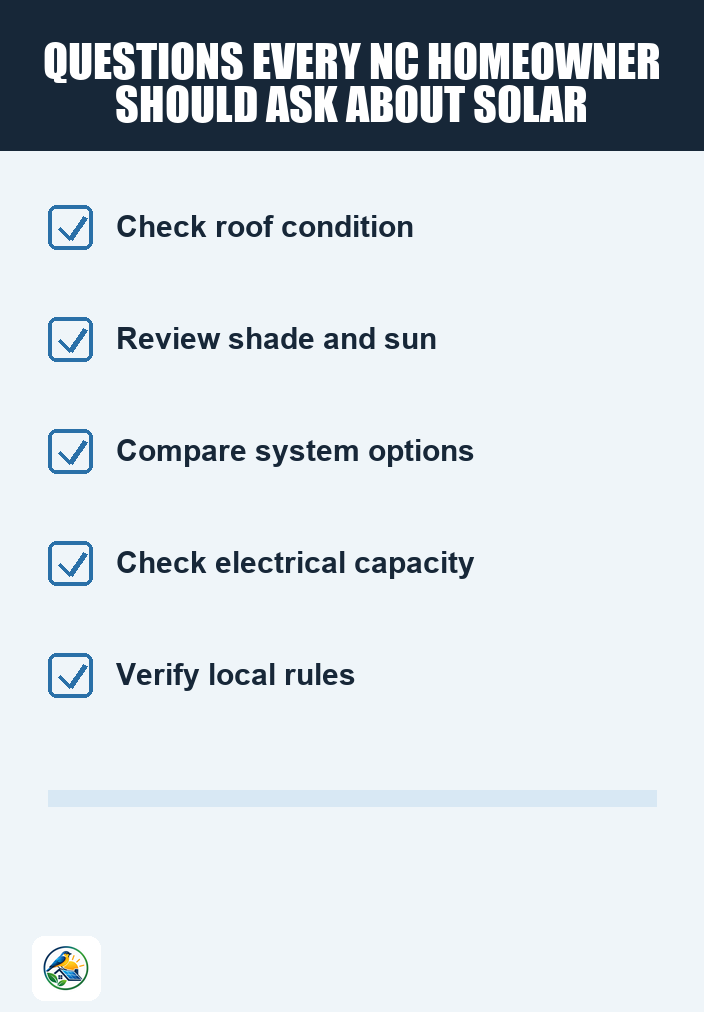
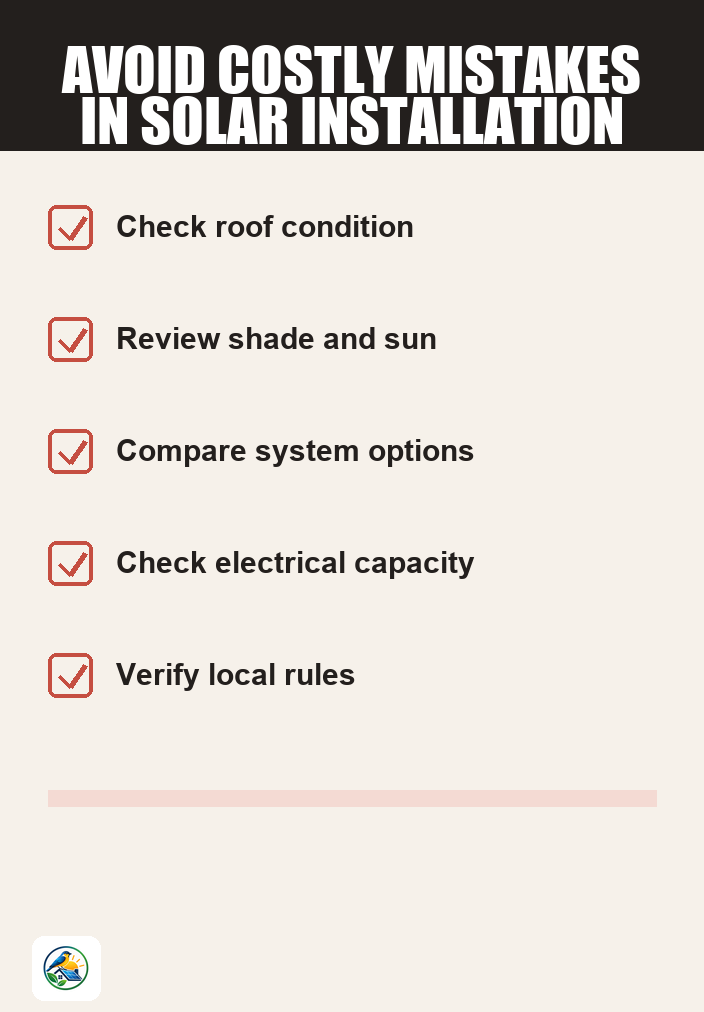
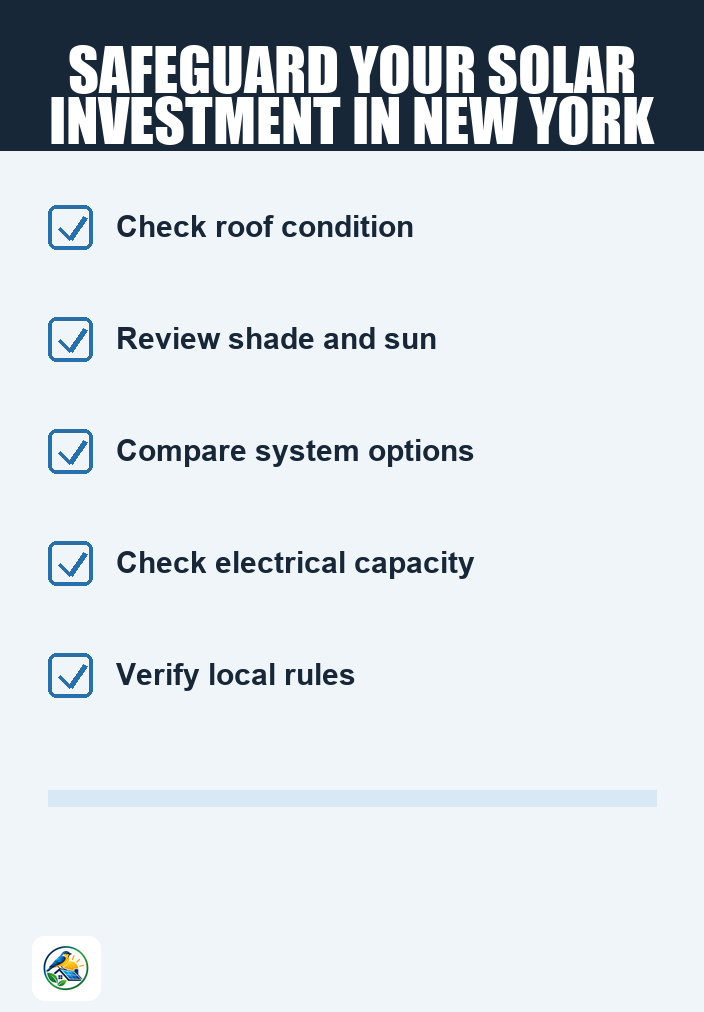
- Roof Condition: Ensure your roof is in good condition and has at least 15-20 years of life left. If repairs or replacements are needed, it’s best to address these before installing solar.
- Roof Orientation and Shade: South-facing roofs typically receive the most sunlight. Assess any obstructions, like trees or buildings, that may cast shade on your roof, as this can significantly impact solar production.
- Available Space: Consider the size of your roof and how many panels you can realistically install. A solar installer can help determine how much energy you might generate based on available space.
- Electrical System: An outdated electrical panel may require upgrades to accommodate a solar system. Consult with a professional to evaluate your home’s electrical infrastructure.
Understanding Costs and Financing Options
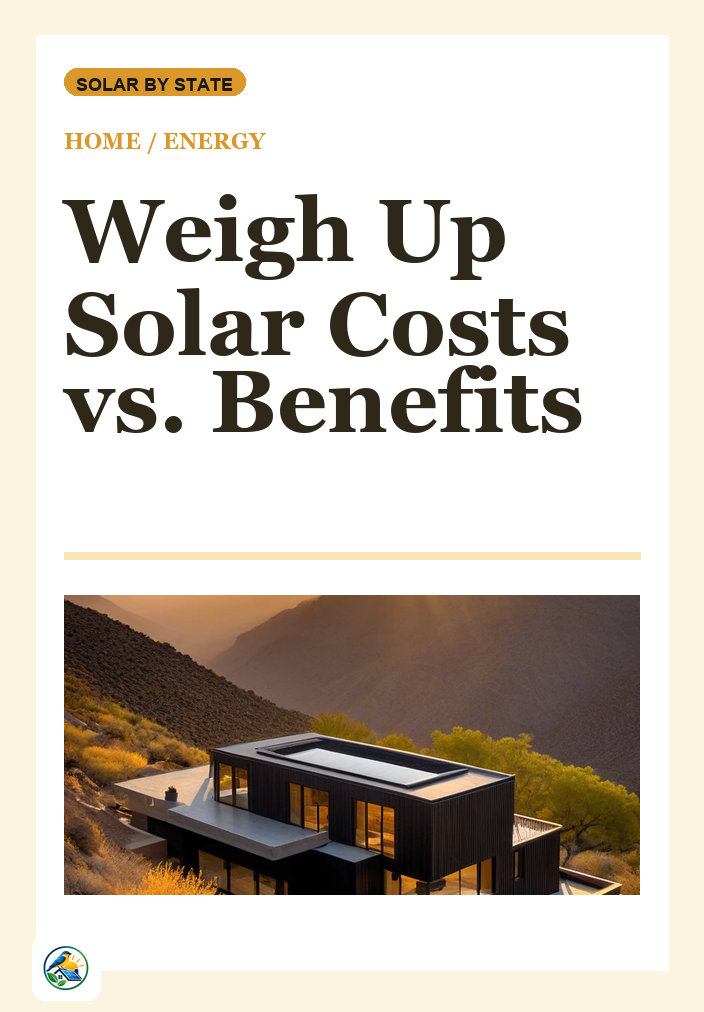
The cost of solar installations can vary widely based on several factors, including system size, equipment quality, and installation complexity. While it’s difficult to provide specific figures, here are some financing options to consider:
- Cash Purchase: Buying your system outright avoids ongoing payments and interest but requires a significant upfront investment.
- Solar Loans: Many lenders offer loans specifically for solar installations, allowing homeowners to spread the cost over time. It’s essential to compare interest rates and terms.
- Leasing: Leasing a solar system allows homeowners to pay a monthly fee without the upfront cost of buying. However, this may limit the benefits of tax incentives and rebates.
Incentives and Rebates in North Carolina
North Carolina offers several incentives for solar installations, which can reduce overall costs. These include:
- Federal Tax Credit: Homeowners may be eligible for a federal tax credit for solar systems, which can change yearly. Verify current amounts and eligibility with a tax professional.
- State Incentives: North Carolina has specific state incentives that may include rebates or tax credits. Check with state and local programs for the latest information.
- Utility Programs: Some local utilities offer incentives for solar installations, such as rebates or performance-based incentives. Research what your utility provides.
Working with Professional Installers
Choosing the right installer is crucial for a successful solar project. Here are steps to take:
- Research Qualified Installers: Look for installers with experience, positive customer reviews, and appropriate licenses. Check if they have experience with similar homes in your area.
- Get Multiple Quotes: Request itemized quotes from several installers. This helps you compare prices, equipment, and warranties offered.
- Ask Questions: Don’t hesitate to ask potential installers about their installation process, equipment reliability, warranty options, and maintenance services.
Considering Battery Backup Systems
Integrating a home battery with your solar installation can provide added benefits, particularly for those who want to enhance energy resilience. Here are some points to consider:
- Energy Storage: Batteries allow you to store excess energy generated during the day for use at night or during power outages.
- Cost: Battery systems add to the overall cost of solar installation. Consider whether the benefits align with your energy needs and budget.
- Maintenance: Batteries require maintenance and may have a limited lifespan. Ensure you understand the upkeep involved and any warranties offered.
Permitting and Interconnection Considerations
Installing solar panels typically involves obtaining permits and interconnecting with the utility grid. Here are some important points:
- Local Permits: Each municipality has its own permitting requirements for solar installations. Check with local authorities to understand what’s required in your area.
- Utility Interconnection: After installation, you’ll need to apply for interconnection with your utility. This process ensures your system complies with safety and operational standards.
Next Steps for Homeowners
As you navigate the solar installation process, consider the following next steps:
- Assess your home’s suitability for solar energy, taking into account roof condition, orientation, and available space.
- Research current financial incentives and verify them independently.
- Gather and compare itemized quotes from multiple qualified solar installers to understand your best options.
Exploring solar energy in North Carolina can be a rewarding venture, but it requires careful consideration and planning. Use this guide as a starting point to make informed decisions about your solar installation journey.