Understanding the Essentials for Solar Installation in Virginia
As a Virginia homeowner considering solar installation, you’re likely weighing your options and evaluating the requirements to make an informed decision. Installing a solar system can be a substantial investment, so it’s crucial to understand the essential items you’ll need to facilitate the process. Here’s a comprehensive guide to ten essential items every Virginia homeowner needs for solar installation.
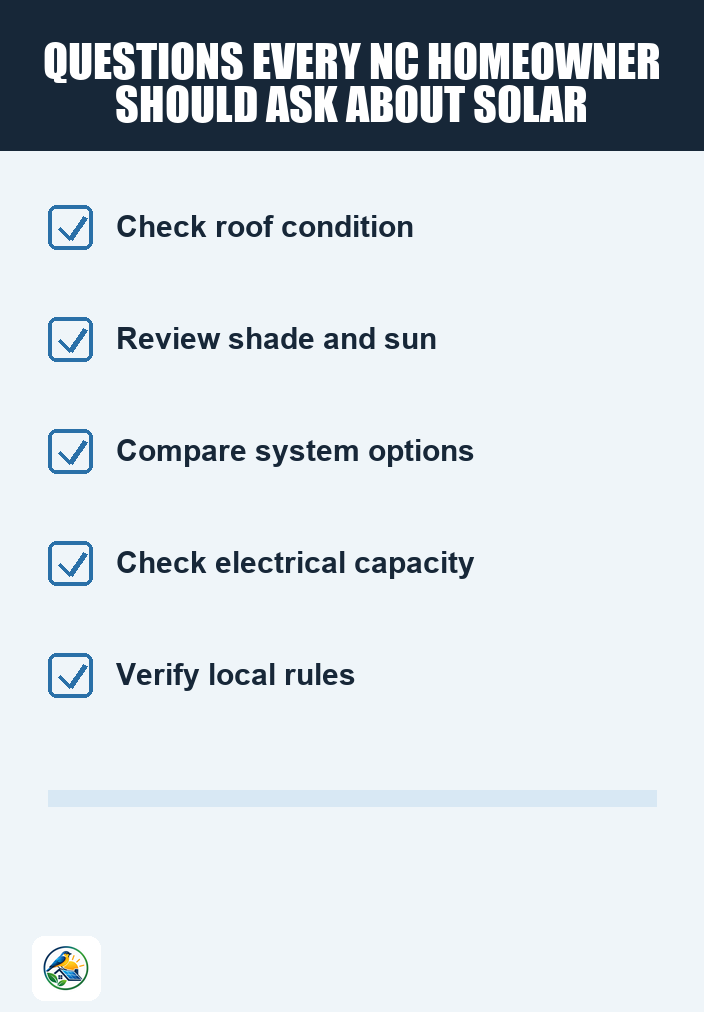
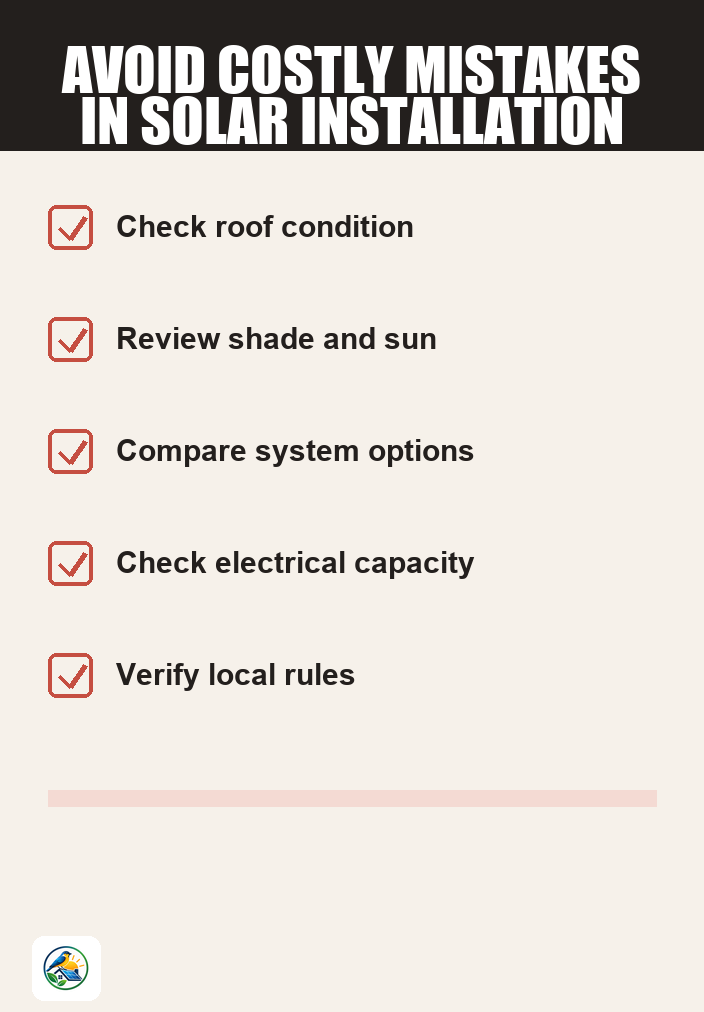
1. Detailed Roof Assessment
Your roof’s condition and structure are critical factors in solar panel installation. A professional assessment can help determine if your roof is suitable for solar panels, considering aspects such as:
- Age and Condition: Ensure your roof is in good shape and can support the weight of solar panels.
- Orientation and Pitch: South-facing roofs typically receive the most sunlight, while flat roofs may require additional considerations.
- Shade Analysis: Trees or nearby structures may obstruct sunlight, affecting energy production.
2. Solar Panel Selection
There are different types of solar panels available, each with its pros and cons. Homeowners should consider:
- Monocrystalline Panels: Known for high efficiency and longevity.
- Polycrystalline Panels: Generally less expensive but slightly less efficient.
- Thin-Film Panels: Lightweight and flexible, but often have lower efficiency.
Consulting with a professional installer will help you choose the right type based on your specific energy needs and roof characteristics.
3. Inverter Options
The inverter converts the DC electricity generated by the solar panels into AC electricity for home use. Homeowners can choose from:
- String Inverters: Cost-effective but can be less efficient if one panel is shaded.
- Microinverters: Installed on each panel, allowing for independent operation and often better performance in shaded areas.
- Power Optimizers: Work similarly to microinverters but are used in conjunction with string inverters.
4. Battery Storage System
If you’re considering energy independence, a battery storage system may be beneficial. It can store excess energy produced during the day for use at night or during outages. Keep in mind:
- Capacity: Assess how much energy you typically use and choose a battery that meets your needs.
- Type: Lithium-ion batteries are popular, but alternatives exist.
- Integration: Ensure compatibility with your solar system and inverter.
5. Utility Company Coordination
Before installation, reach out to your utility company to understand their policies on net metering and interconnection. This involves:
- Net Metering: Allows you to sell excess energy back to the grid, often at the same rate you pay for electricity.
- Interconnection Requirements: Understand the technical requirements for connecting your system to the grid.
6. Permitting and Local Regulations
In Virginia, solar installations require permits that may vary by locality. Key considerations include:
- Building Permits: Required for structural alterations or installations on your roof.
- Electrical Permits: Necessary for any electrical work associated with the solar system.
Consulting with your installer can simplify this process, as many have experience navigating local regulations.
7. System Monitoring Tools
Monitoring systems allow homeowners to track energy production and consumption. Options include:
- Smartphone Apps: Many inverters come with apps that provide real-time data.
- Web Portals: Access detailed performance data online.
Monitoring your system helps ensure it operates efficiently and can alert you to any issues.
8. Insurance Considerations
Review your homeowner’s insurance policy to ensure it covers solar installations. Key points include:
- Coverage Limits: Confirm that your policy covers the full value of the solar system.
- Liability Protection: Ensure you’re protected in case of accidents related to the installation.
9. Financial Planning
Understanding the financial aspects of solar installation is vital. Considerations include:
- Upfront Costs: Assess quotes from multiple installers to understand the total investment.
- Financing Options: Explore loans, leases, or power purchase agreements (PPAs).
- Incentives: Research local and federal tax credits, rebates, and other incentives.
Be sure to verify current incentives and financing options with your installer or local government.
10. Professional Installation
Finally, hiring a qualified solar installer is crucial for a successful installation. Look for:
- Experience: Choose installers with a proven track record in Virginia.
- Certifications: Ensure they are certified by reputable organizations.
- Warranty Offers: Look for warranties on both products and installation.
Request itemized quotes from multiple professionals to compare services and prices effectively.
Next Steps: Your Solar Journey Begins
Equipped with this knowledge, you’re better prepared to embark on your solar installation journey. Start by assessing your roof, considering the essential items listed above, and gathering quotes from qualified solar installers in your area. This way, you can make an informed decision tailored to your home’s specific needs. Remember, solar energy can be a beneficial addition to your home, but it’s essential to ensure it suits your unique circumstances.