Understanding the Solar Installation Landscape in Texas
Installing a solar energy system can be an excellent way to harness the abundant sunlight in Texas. However, navigating the complexities of installation requires careful consideration to avoid critical mistakes. Here’s a guide to help you make informed decisions as you embark on this journey.
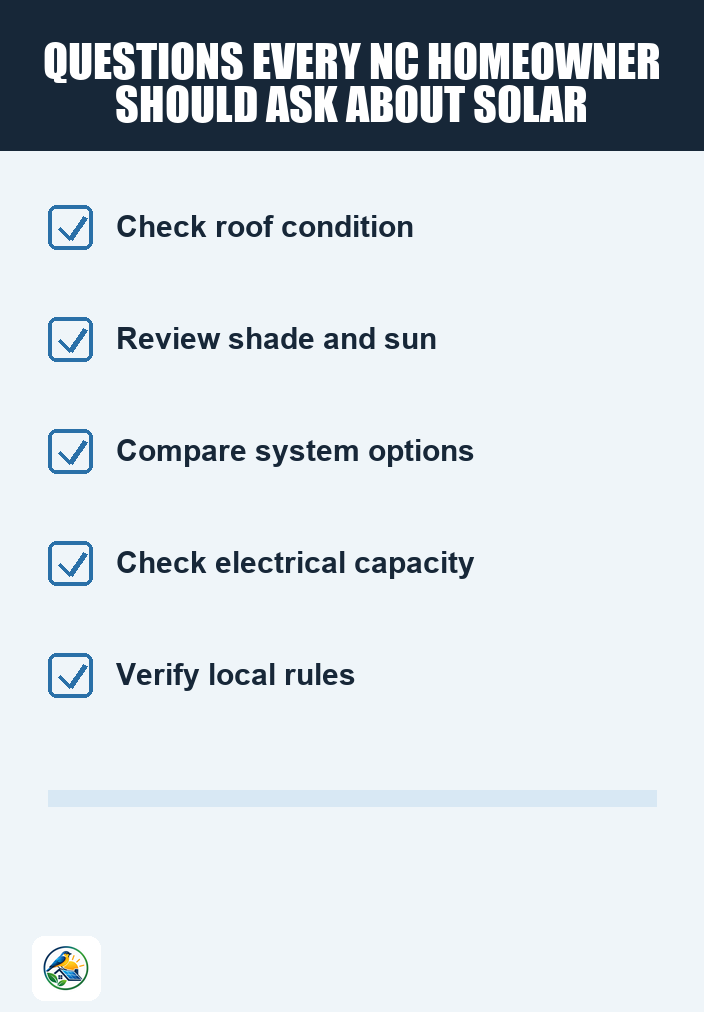
Assessing Your Home’s Suitability for Solar
Before diving into installation, it’s essential to evaluate whether your home is suitable for solar panels. Key factors that impact the effectiveness of a solar system include:
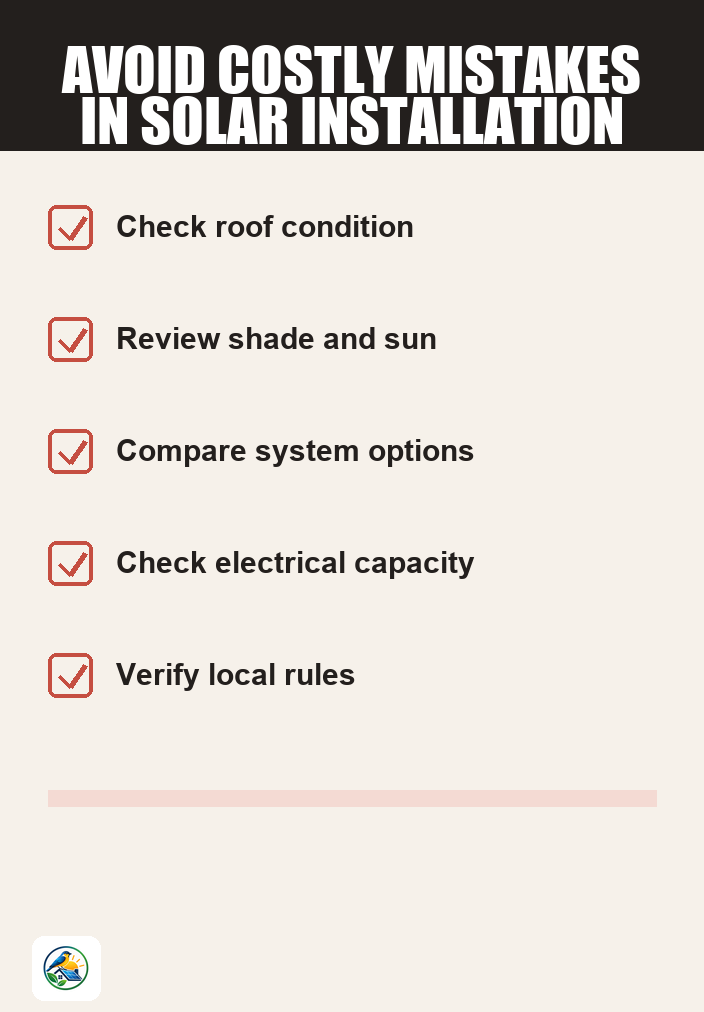
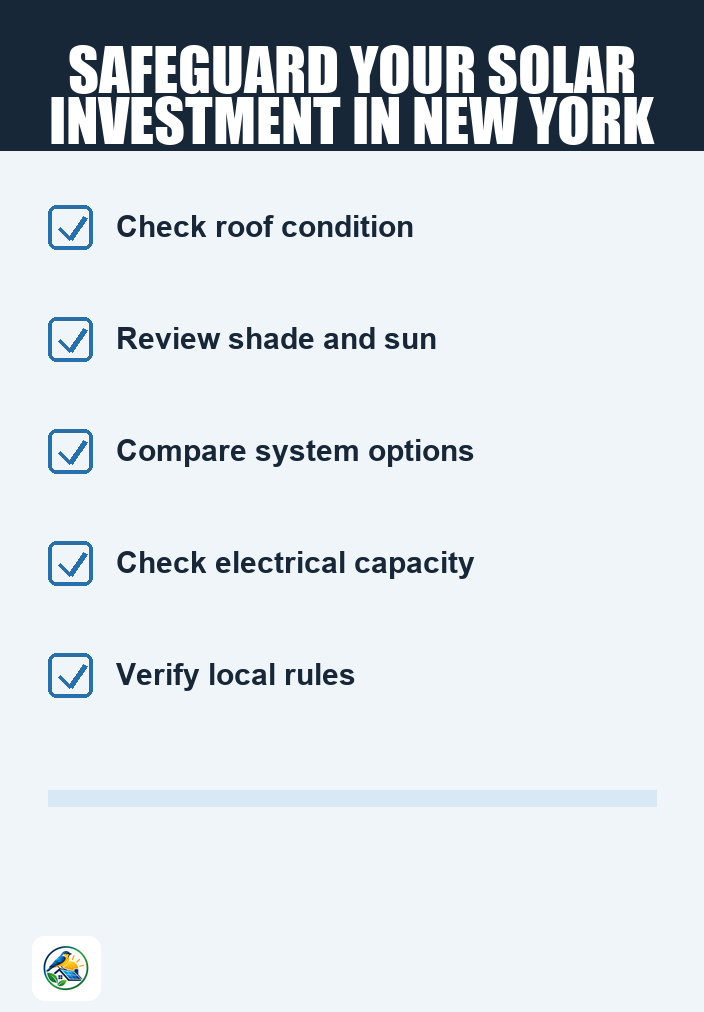
- Roof Condition: Ensure your roof is in good shape. If it needs repairs, consider addressing those before installation.
- Roof Orientation and Angle: South-facing roofs typically receive the most sunlight. However, east and west-facing roofs can also be effective with proper planning.
- Shade Analysis: Trees, buildings, or other obstructions can reduce solar efficiency. Analyze sunlight exposure throughout the day and throughout the year.
- Size and Layout: Larger roofs provide more space for panels, allowing for greater energy production. Consider the layout of your roof and any obstructions.
Choosing the Right Type of Solar System
Understanding the different types of solar systems available can help you make an informed choice:
- Grid-Tied Systems: These systems are connected to the utility grid. They are the most common choice for homeowners, allowing you to draw power from the grid when solar production is low.
- Battery Backup Systems: These systems incorporate batteries to store energy generated by solar panels. This option can provide power during outages but may come with higher upfront costs.
- Off-Grid Systems: Ideal for remote locations, these systems operate independently of the grid but require sufficient battery storage and energy management to ensure reliability.
- Generators: Some homeowners opt for a generator as a backup power source, particularly if they live in areas prone to outages.
Understanding Local Regulations and Utility Policies
Texas has unique regulations and policies regarding solar energy. Familiarizing yourself with these can help avoid delays and misunderstandings:
- Permitting Requirements: Check with your local government to understand the permitting process. This may vary significantly from one municipality to another.
- Interconnection Standards: If you plan to connect your system to the grid, ensure you understand your utility’s interconnection requirements.
- Net Metering Policies: In Texas, net metering policies can vary by utility provider. This policy allows you to receive credit for excess energy your system produces and sends back to the grid.
Evaluating Your Financing Options
Financing can significantly impact your solar investment. Here are some options to consider:
- Cash Purchase: This option offers the quickest return on investment but requires significant upfront capital.
- Solar Loans: Many homeowners opt for loans to cover installation costs. Interest rates and terms can vary widely, so shop around for the best deal.
- Leasing Options: Leasing allows homeowners to install solar panels with little to no upfront cost, but this may limit your control over the system.
Working with Qualified Installers
Choosing the right solar installer is crucial. Here are some tips to ensure you find a qualified professional:
- Research Credentials: Look for installers with proper licenses and certifications. Verify their experience with residential solar installations.
- Read Reviews: Check testimonials from previous customers. Online reviews can provide insight into the installer’s reliability and quality of work.
- Get Multiple Quotes: Obtain quotes from several installers. Compare itemized estimates to understand what each includes and any potential hidden costs.
- Ask About Warranties: Inquire about warranties on both the solar panels and the installation work. A good warranty can provide peace of mind.
Considering System Size and Energy Needs
Determining the right size for your solar system is critical. Here are some factors to help you size your system appropriately:
- Energy Consumption: Review your past utility bills to understand your energy needs. Consider future changes that may affect consumption, like home additions or electric vehicle charging.
- Panel Output: The output of solar panels can vary based on their efficiency and quality. Check specifications and consider how many panels you’ll need to meet your energy demands.
- Space Availability: The amount of available space on your roof will also dictate how large a system you can install.
Maintaining Your Solar System
After installation, maintaining your solar system is key to ensuring its longevity and efficiency. Here are some maintenance considerations:
- Regular Inspections: Schedule periodic inspections to check for any potential issues, such as damage or debris accumulation on panels.
- Cleaning Panels: Dust and dirt can reduce efficiency. Depending on your location, you may need to clean the panels periodically.
- Monitor Performance: Utilize monitoring systems to track energy production and identify any performance issues early on.
Next Steps for Homeowners
Installing solar panels in Texas can be a rewarding investment, but it requires careful planning and consideration. Start by assessing your home’s suitability and understanding local regulations. Then, explore your financing options and consult with qualified installers to receive itemized quotes. Make sure to compare these quotes to ensure you’re making the best choice for your home and budget.
By taking these steps, you can avoid critical mistakes and enjoy the many benefits of solar energy.