Understanding Solar Installation Quotes for Colorado Homes
If you’re a homeowner in Colorado considering a solar energy system, it’s essential to know what to expect when you receive quotes from installers. Solar installation quotes can vary significantly based on numerous factors, including system size, equipment specifications, and local regulations. In this article, we’ll break down the components of solar installation quotes, helping you make informed decisions as you explore your options.
Key Components of Solar Installation Quotes
When you request quotes, you’ll notice that they generally cover several key components. Understanding these will help you compare different proposals effectively.
1. System Size and Type
- Grid-Tied Systems: Most residential solar installations in Colorado are grid-tied. These systems connect to the local electrical grid, allowing you to draw power from the grid when your solar panels aren’t producing enough electricity.
- Battery Backup Systems: Some homeowners opt for battery storage to store excess energy for use during power outages or at night. This adds complexity and cost to the installation.
- Off-Grid Systems: These systems are designed for homes that aren’t connected to the grid, but they require a larger investment and a more extensive setup.
2. Equipment Specifications
Quotes will often detail the equipment included in your system, such as:
- Solar Panels: The type and efficiency of solar panels influence the overall cost. Higher efficiency panels may have a higher upfront cost but can generate more energy in limited space.
- Inverters: These convert the direct current (DC) generated by the solar panels into alternating current (AC) for use in your home. There are different types of inverters, including string inverters and microinverters.
- Mounting Equipment: Depending on your roof type (flat, pitched, or metal), mounting solutions will vary, impacting the overall installation cost.
3. Installation and Labor Costs
Labor costs can vary based on the complexity of the installation and the experience of the contractors. Factors that influence labor costs include:
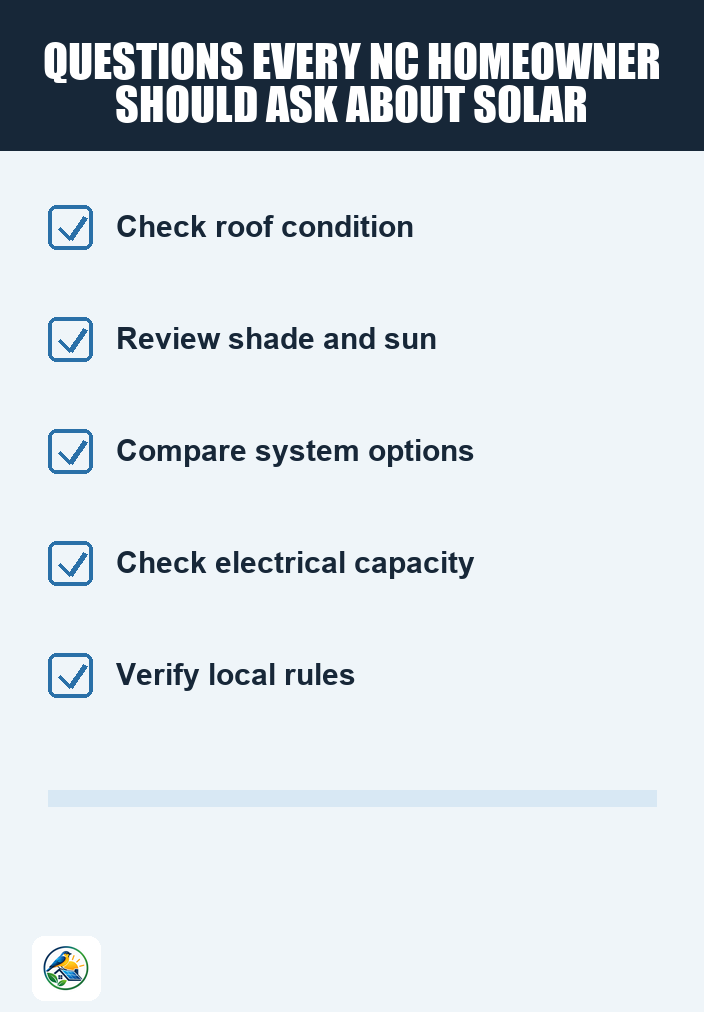
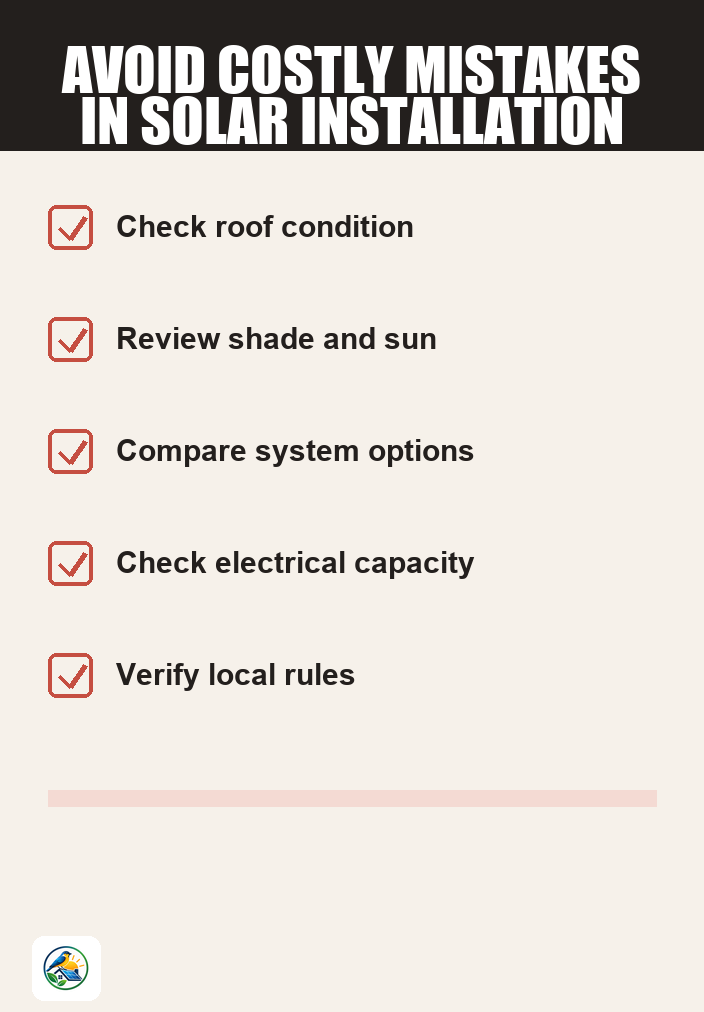
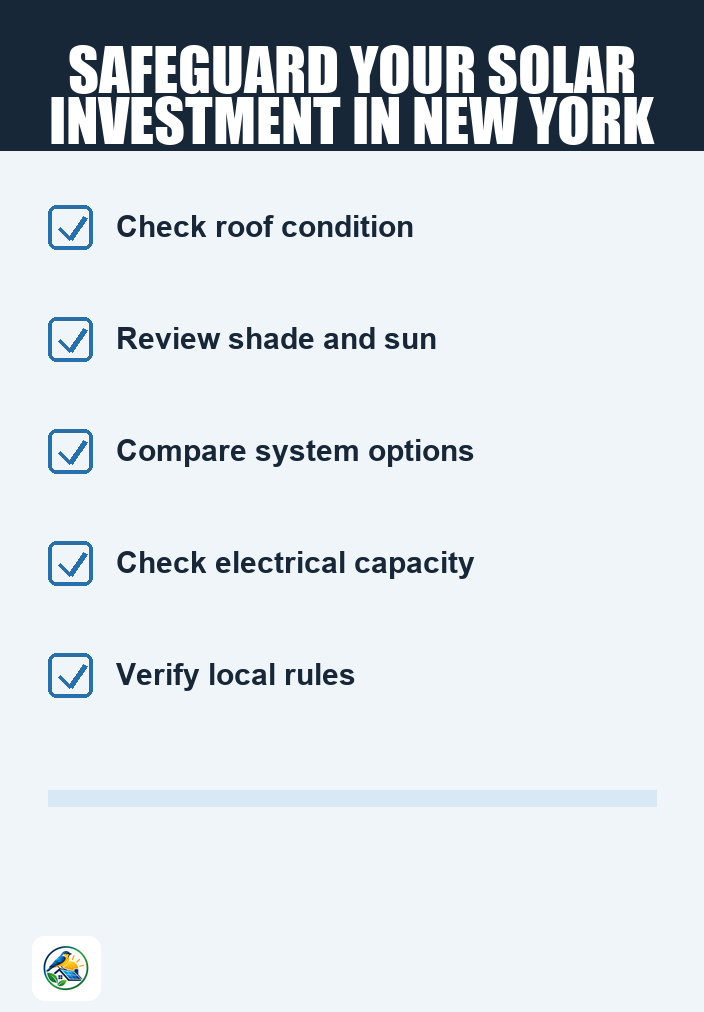
- Roof condition and accessibility
- Local labor rates
- Permitting requirements
- Installation timeline
4. Permitting and Interconnection Fees
In Colorado, solar installations typically require permits and interconnection agreements with your utility company. Your quotes should include estimated costs for these processes, which can vary by location and utility provider.
5. Incentives and Financing Options
While various state and federal incentives may reduce your overall costs, these can change frequently. Be cautious when evaluating quotes that mention incentives, as they may require independent verification. Common incentives include:
- Federal Investment Tax Credit (ITC)
- State and local rebates
- Property tax exemptions for solar installations
Considerations for Colorado Homes
When evaluating solar installation quotes, consider the unique characteristics of your home and location in Colorado. Here are some factors that could influence your decision:
1. Roof Condition and Orientation
Your roof’s condition and orientation play a crucial role in the efficiency of your solar system. If your roof is aging or has structural issues, you may need to address these before installation. Additionally, a south-facing roof typically receives the most sunlight, enhancing your energy production.
2. Shade and Surroundings
Nearby trees, buildings, or other obstructions can cast shadows on your solar panels, reducing their effectiveness. Consider conducting a shade analysis to determine how much shade your roof receives throughout the day.
3. Local Utility Policies
Colorado utilities have different net metering policies, which affect how much you get credited for excess energy fed back into the grid. Research your local utility’s rules to understand how they will impact your energy savings.
4. Future Plans
If you plan to sell your home or make significant renovations in the near future, consider how a solar installation will fit into those plans. While solar can increase a property’s appeal, it may not always be financially beneficial depending on your circumstances.
Comparing Solar Quotes
When you receive multiple quotes, it’s essential to compare them side by side. Here are some aspects to focus on:
- Itemized Costs: Ensure that each quote breaks down the costs of equipment, installation, permits, and any additional fees. This will help you understand what you are paying for.
- Equipment Quality: Look for details about the brands and models of solar panels and inverters. Research their reliability and efficiency ratings.
- Warranties and Maintenance: Check the warranties offered on equipment and installation. A longer warranty may indicate higher quality and reliability.
- Installation Timeline: Ask about the estimated timeline for installation. A longer wait may be acceptable if the installer is reputable, but be aware of how it affects your plans.
Next Steps in Your Solar Journey
As you move forward in evaluating solar installation quotes, keep these practical steps in mind:
- Request multiple quotes from qualified installers to gain a broad view of your options.
- Carefully review and compare itemized quotes, focusing on equipment, costs, and warranties.
- Verify current local utility incentives, permitting requirements, and interconnection policies.
- Consider your home’s suitability for solar and how long you plan to stay in your current residence.
By taking these steps and understanding what to expect in solar installation quotes, you’ll be better equipped to make a decision that aligns with your energy needs and financial situation.