Understanding Your Roof’s Readiness for Solar Installation
Installing solar panels on your roof can be an excellent way to harness energy from the sun, especially in a state like Massachusetts, which has made significant strides in renewable energy initiatives. However, before you dive into the details of solar technology, it’s essential to assess whether your roof is ready for solar installation. This article will guide you through the key considerations you should address as you prepare your roof for solar panels.
Assessing Your Roof’s Condition
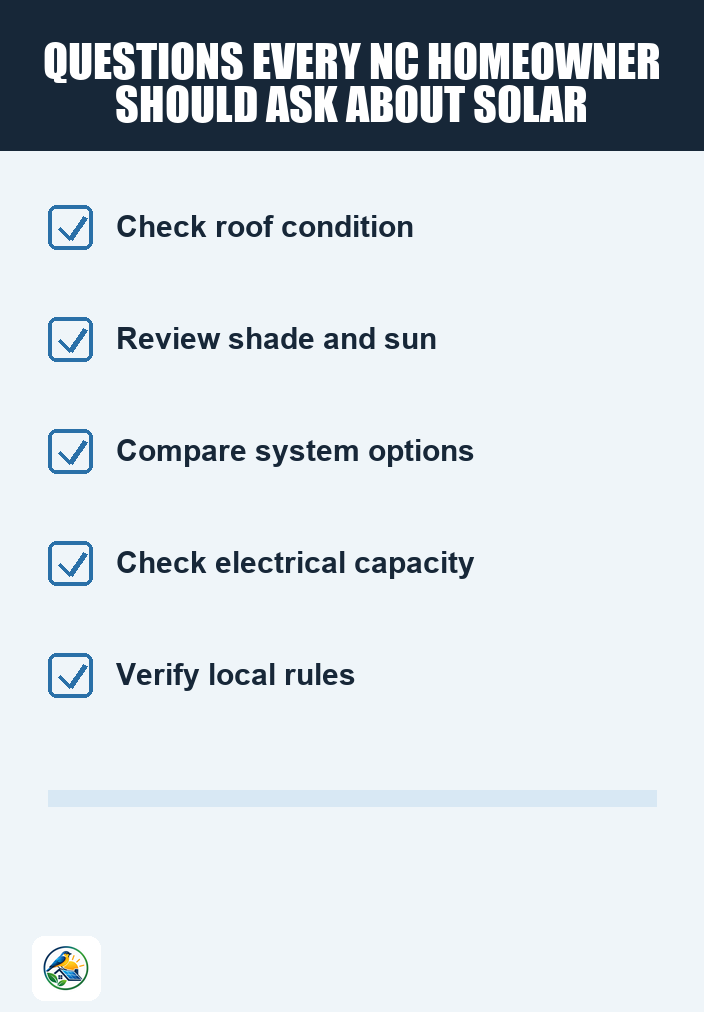
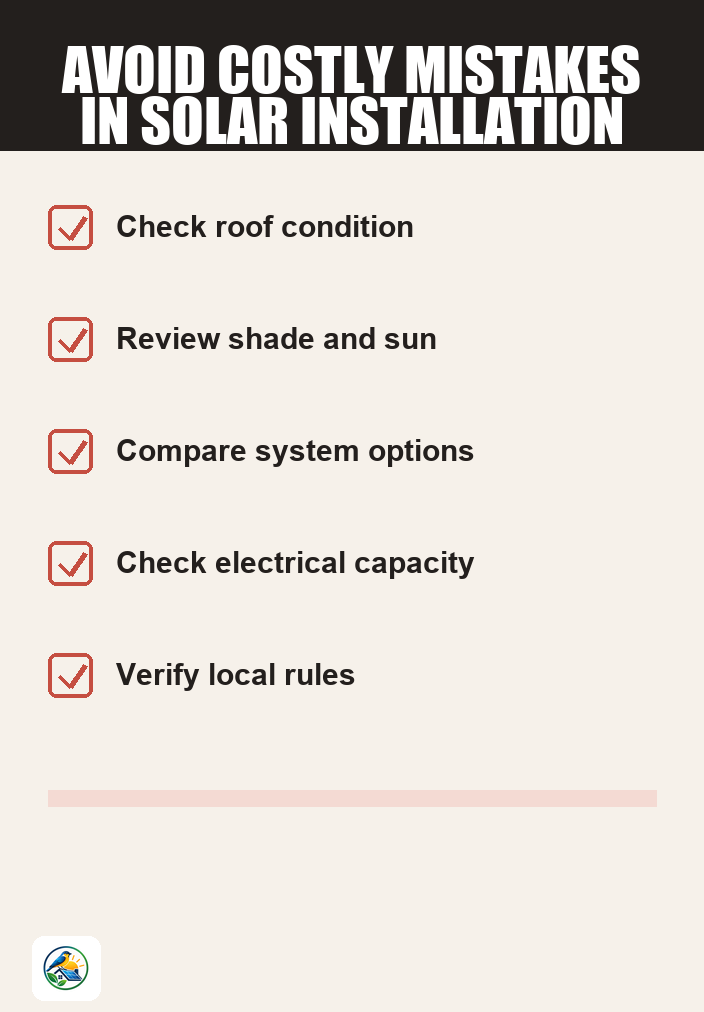
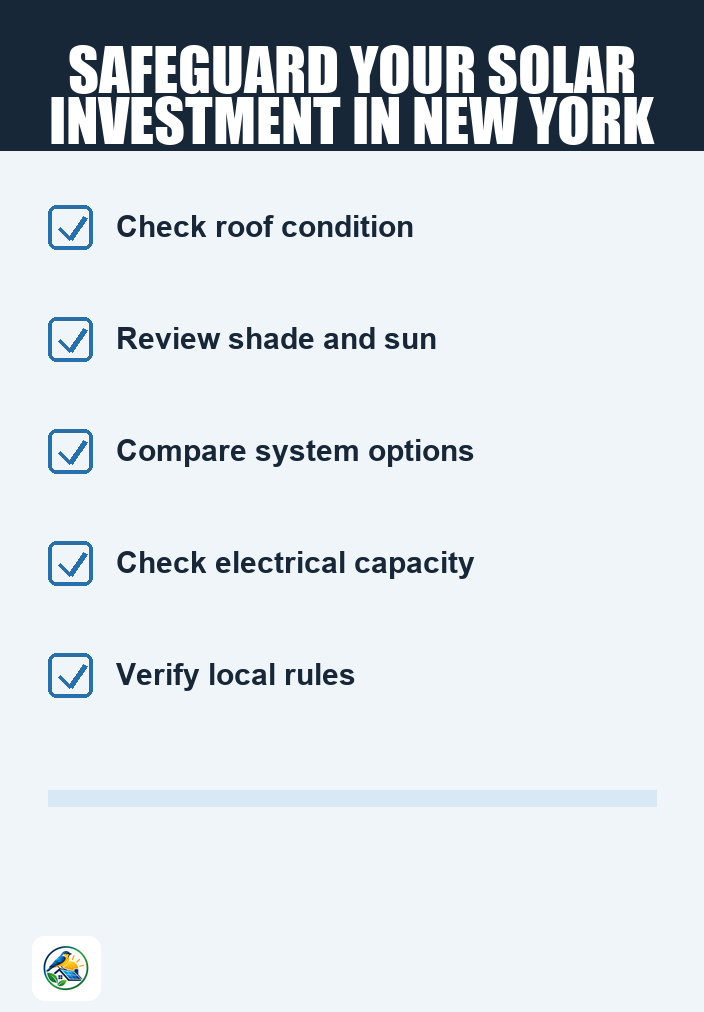
The first step in preparing for a solar installation is to evaluate your roof’s current condition. Solar panels have a typical lifespan of 25 years, so it’s crucial to ensure that your roof can support them for that duration.
Inspecting for Damage
Before installing solar panels, check your roof for:
- Leaks: Any signs of water damage or leaks should be addressed before installation.
- Shingles: Look for missing or damaged shingles. If your roof is in poor condition, consider repairing or replacing it before adding solar panels.
- Age: If your roof is nearing the end of its life expectancy, it might be wise to replace it before installing solar.
Evaluating Roof Structure and Size
Not all roofs are created equal, and the structure and size of your roof play a significant role in solar feasibility.
Considering Roof Material
Different roofing materials can affect solar installation:
- Asphalt shingles: Common and generally suitable for solar panels.
- Tile roofs: Durable but may require additional mounting techniques.
- Metal roofs: Excellent for solar installation and often long-lasting.
- Flat roofs: Can accommodate solar panels but often require additional considerations for drainage and installation methods.
Size and Orientation
The size of your roof and its orientation towards the sun are critical factors:
- Square Footage: A larger roof can accommodate more panels, which may lead to higher energy production.
- Orientation: South-facing roofs generally receive more sunlight, maximizing energy generation.
- Pitch: The angle of your roof can affect the efficiency of solar panels. Panels on steeper roofs may generate more energy but could also complicate installation.
Assessing Shade and Surrounding Environment
Shade can significantly impact solar panel efficiency. Trees, nearby buildings, and other obstructions can block sunlight and reduce energy production.
Shade Analysis
Consider the following:
- Seasonal Changes: Trees that are lush in summer may cast shadows on your roof that don’t exist in winter.
- Local Regulations: Some towns have regulations regarding tree trimming, which can affect solar access.
Understanding Electrical System Compatibility
Before installing solar panels, ensure your home’s electrical system can accommodate the new setup.
Electrical Panel Assessment
Check your electrical panel for:
- Capacity: Does your panel have enough capacity to handle the additional load?
- Condition: Older panels may require an upgrade to meet modern solar system standards.
Permitting and Local Regulations
In Massachusetts, solar installation requires navigating local permitting processes. Understanding these requirements can save time and confusion.
Researching Local Rules
Before proceeding, research the following:
- Building Codes: Ensure your installation meets local building codes.
- Permits: Check if you need specific permits for solar installation.
- Homeowners Associations: If applicable, review any HOA rules that may impact your installation.
Considering Battery Storage and Backup Systems
If you’re contemplating the addition of a battery storage system, consider how this will integrate with your solar installation.
Battery Options
Think about:
- Power Needs: Assess your energy consumption to determine battery size.
- Installation Costs: Batteries can add significant costs, so weigh the benefits against your budget.
- Backup Supply: Understand how a battery can help during power outages, especially during storms common in Massachusetts.
Comparing Quotes from Installers
Once you have assessed your roof and understand the factors at play, it’s time to seek quotes from qualified solar installers. Each quote should provide an itemized breakdown of costs, including installation, equipment, and any necessary upgrades.
What to Look For in Quotes
When comparing quotes, consider the following:
- Equipment Quality: Are they using reputable brands and technology?
- Warranty: What warranties are offered on the panels and installation?
- Experience: How long has the installer been in business, and what do customer reviews say?
Next Steps for Homeowners
Preparing your roof for solar installation involves a thorough understanding of your roof’s condition, size, structure, and local regulations. Take the time to research and assess these factors carefully. Once you’re ready, gather quotes from qualified installers to find the best fit for your solar project. With the right preparation, you can make an informed decision that meets your energy needs and enhances your home’s value.