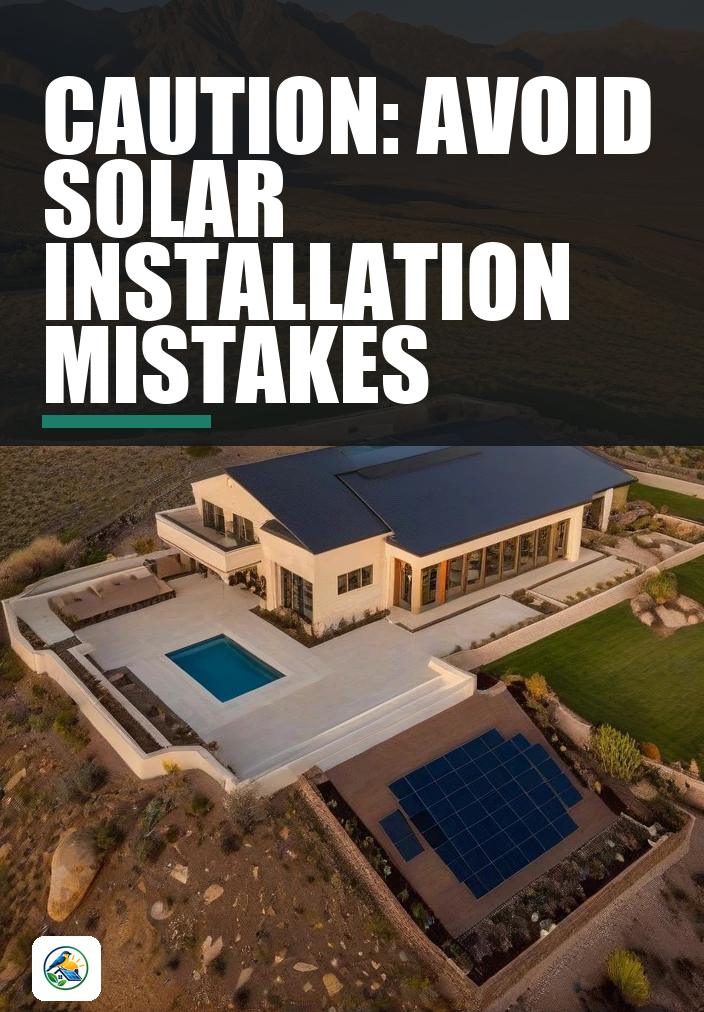
Understanding the Florida Solar Landscape
As a Florida homeowner, considering a solar installation can be a significant step toward energy independence and sustainability. However, navigating the complexities of solar energy can be challenging. To avoid costly pitfalls, it’s essential to understand your options and the local landscape. This guide aims to provide practical insights for homeowners contemplating solar panel installation, including the considerations of battery systems, grid connections, and more.
Evaluating Your Solar Options
When exploring solar energy, the first decision is determining which type of system fits your needs. The primary options include:
- Grid-Tied Solar Systems: These systems connect directly to the utility grid, allowing you to draw power when needed and return excess energy for credits. They are the most common choice due to their lower upfront costs.
- Battery Backup Systems: Integrating a battery with your solar system enables you to store excess energy for use during outages or high-demand periods. This option can add to installation costs but enhances energy security.
- Off-Grid Systems: These are self-sufficient systems that do not connect to the utility grid. They require a comprehensive battery solution and may be more suitable for homes in remote areas.
Consider your energy needs, the reliability of grid power in your area, and your budget when choosing between these options.
Assessing Your Home’s Suitability for Solar
Before moving forward, assess whether your home is a good candidate for solar installation. Here are some critical factors:
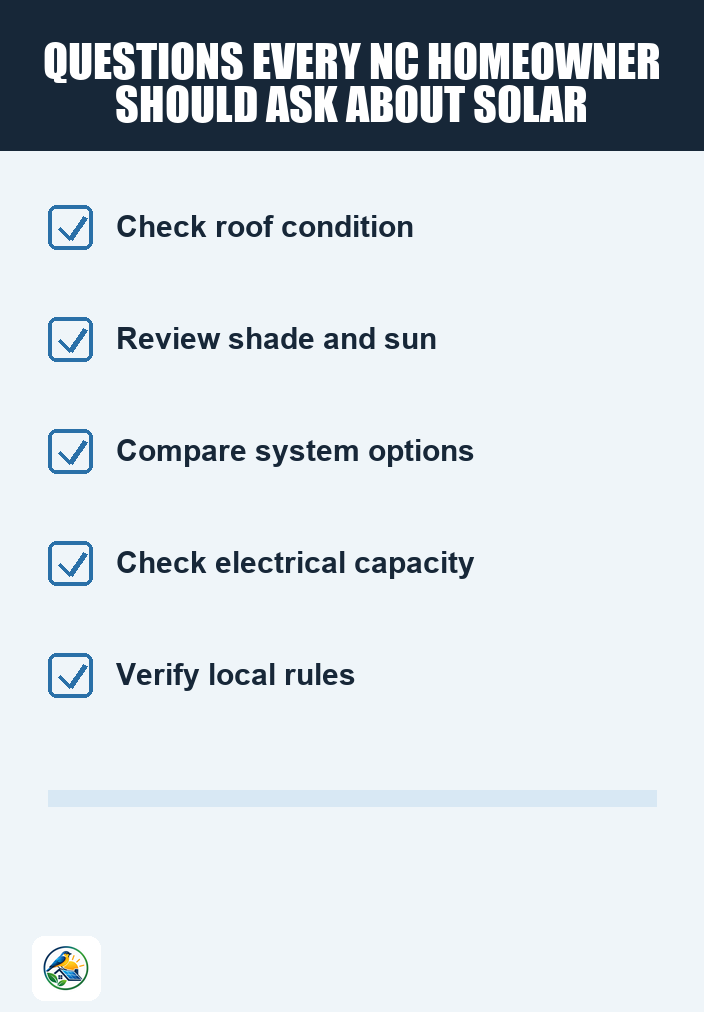
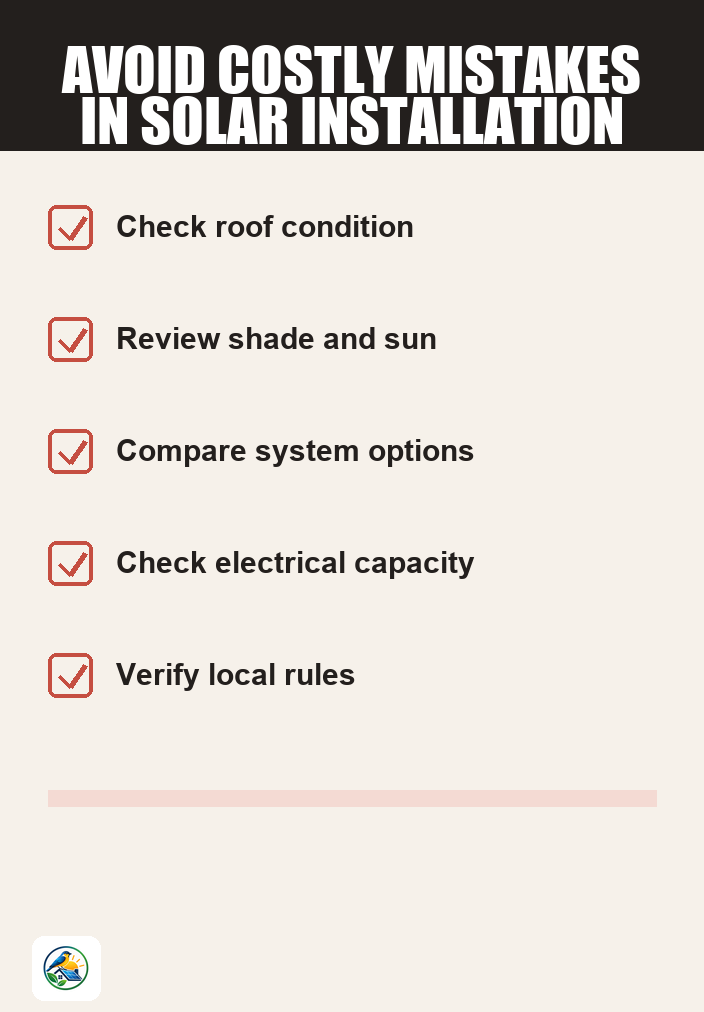
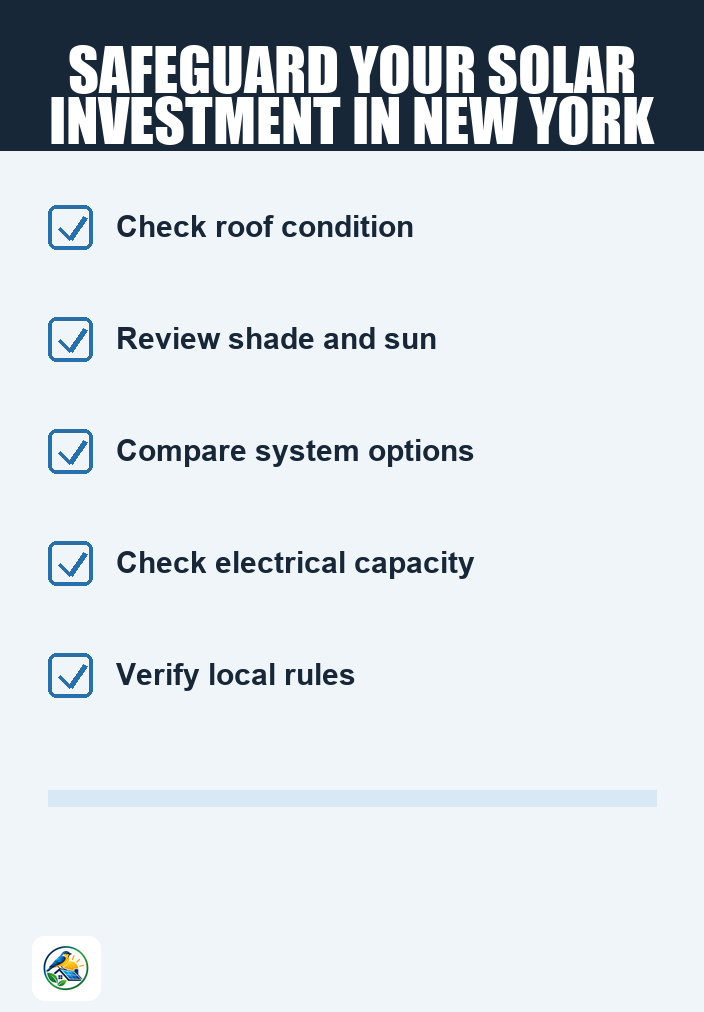
- Roof Condition: Ensure your roof is in good shape before installation. If your roof requires repair or replacement, it’s wise to address these issues first to avoid complications later.
- Roof Orientation and Shade: South-facing roofs typically receive the most sunlight. Evaluate if trees or nearby buildings cast shade on your roof, as this can significantly impact performance.
- Electrical Upgrades: Older electrical systems may need upgrading to handle the new solar installation. Consult with your installer to determine if this will be necessary.
- Local Regulations: Check with local authorities regarding permitting and zoning laws. Some areas may have specific regulations that could affect your installation.
Choosing the Right Installer
Finding a qualified solar installer is crucial to a successful project. Here are some tips for selecting the right professional:
- Research Credentials: Look for installers with relevant certifications and experience. Check for licenses and insurance to ensure they meet industry standards.
- Get Multiple Quotes: Solicit quotes from several installers. Compare itemized proposals that detail equipment, labor, and any additional fees.
- Read Reviews: Look for customer feedback online. Testimonials can provide insights into an installer’s reliability and service quality.
- Ask Questions: Don’t hesitate to ask potential installers about their experience, warranties, and maintenance services.
Understanding Costs and Financing Options
The cost of solar installation can vary widely based on system size, equipment quality, and installation complexity. It’s essential to have a clear understanding of potential financing options:
- Cash Purchase: Paying upfront can eliminate financing costs but requires a significant initial investment.
- Solar Loans: Many homeowners opt for financing through loans. Research different lenders to find favorable terms and interest rates.
- Leases and Power Purchase Agreements (PPAs): These options allow you to use solar energy without the upfront costs, but they often come with long-term commitments and may limit your savings.
Regardless of the method you choose, make sure you fully understand the financial implications and any potential trade-offs involved.
Incentives and Tax Considerations
Florida homeowners may be eligible for various incentives, but these can change frequently. Always verify current local, state, and federal incentives before making any decisions. Some common incentives include:
- Federal Tax Credit: Homeowners may qualify for a federal tax credit for solar installations. Consult with a tax professional to understand eligibility and the documentation required.
- State Incentives: Check for state-specific rebates or programs that can help offset installation costs.
- Net Metering: Florida has net metering laws that allow homeowners to receive credit for the energy they produce and send back to the grid. Verify the details with your utility provider.
Maintaining Your Solar System
Once your solar system is installed, regular maintenance is essential for optimal performance. Consider the following maintenance aspects:
- Cleaning: Dust and debris can accumulate on solar panels, reducing efficiency. Regular cleaning can help maintain energy production.
- Monitoring Performance: Many systems come with monitoring software that allows you to track energy production. Be vigilant about any significant drops in performance.
- Inspections: Schedule periodic inspections with your installer to ensure that all components are functioning correctly and safely.
Making the Final Decision
Deciding to go solar is a significant commitment. Before you finalize your choice, take a moment to reflect on the following:
- Personal Goals: Consider your energy goals and how a solar system aligns with them.
- Long-Term Plans: Think about your future plans for your home. Will you stay long enough to benefit from the investment?
- Overall Costs: Ensure you understand the total cost of ownership, including maintenance and potential upgrades.
Next Steps for Florida Homeowners
As you explore the possibility of solar installation, start by gathering detailed quotes from qualified installers. Compare itemized estimates to better understand the costs involved. Additionally, verify current incentives and utility policies that may affect your decision. With careful planning and consideration, you can avoid common pitfalls and make an informed choice about solar energy for your home.