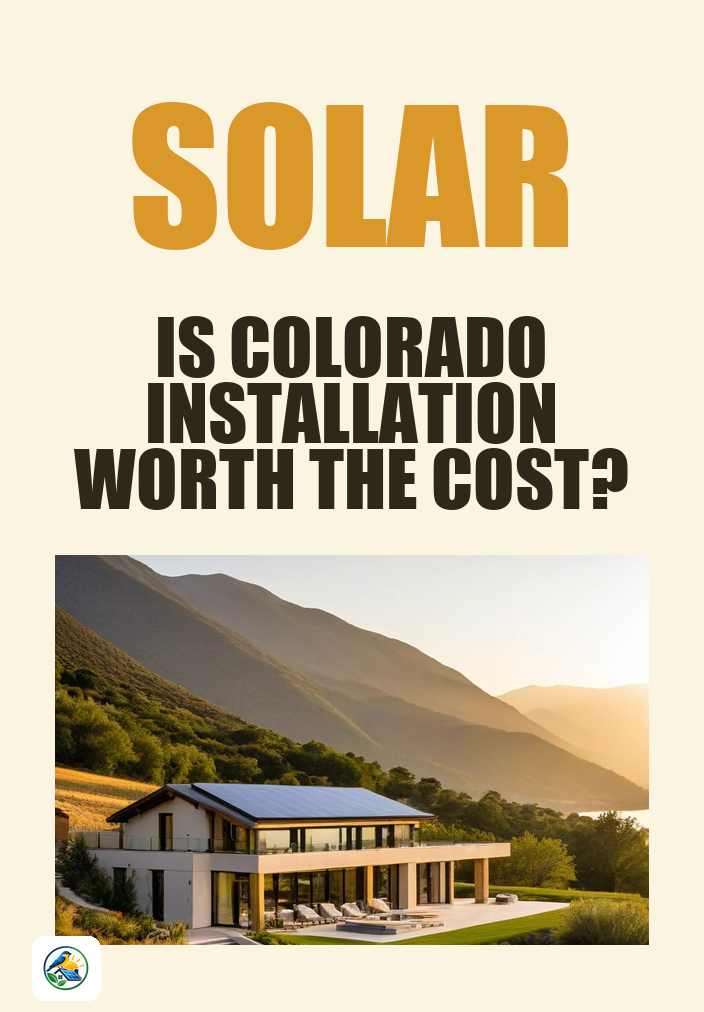
Understanding Solar Installation Costs in Colorado
As homeowners in Colorado contemplate switching to solar energy, understanding the various costs associated with residential solar installation becomes crucial. While solar power can be a valuable investment, various factors influence the overall expense. This article will break down critical considerations affecting solar installation costs in Colorado, helping you make an informed decision.
Factors Influencing Solar Installation Costs
Several key elements can significantly impact the cost of installing a solar system. By understanding these factors, homeowners can better assess their specific situations and determine if solar is right for them.
1. System Size and Energy Needs
The size of the solar system you need largely depends on your energy consumption and the available roof space. Here are some considerations:
- Annual Energy Usage: Calculate your yearly electricity usage in kilowatt-hours (kWh) by reviewing past utility bills. This number helps determine the system size that will meet your needs.
- Roof Space: The available area on your roof for solar panels can limit the size of the system. Homes with steep or shaded roofs may require smaller systems.
- Panel Efficiency: Higher efficiency panels may generate more power in less space but often come at a higher cost.
2. Type of Solar System
Different types of solar systems come with varying costs and configurations. Key options include:
- Grid-Tied Systems: These systems connect directly to the utility grid and do not include battery storage. They are generally less expensive due to fewer components.
- Battery Backup Systems: Systems that include batteries for energy storage can provide power during outages but typically increase the overall installation cost.
- Off-Grid Systems: Designed for complete independence from the utility grid, off-grid systems can be significantly more expensive due to the need for larger battery banks and additional components.
3. Equipment Quality and Technology
The choice of solar panels, inverters, and other equipment can affect both performance and price. Consider the following:
- Panel Types: Monocrystalline panels are generally more efficient and have a longer lifespan, but they come at a higher price compared to polycrystalline panels.
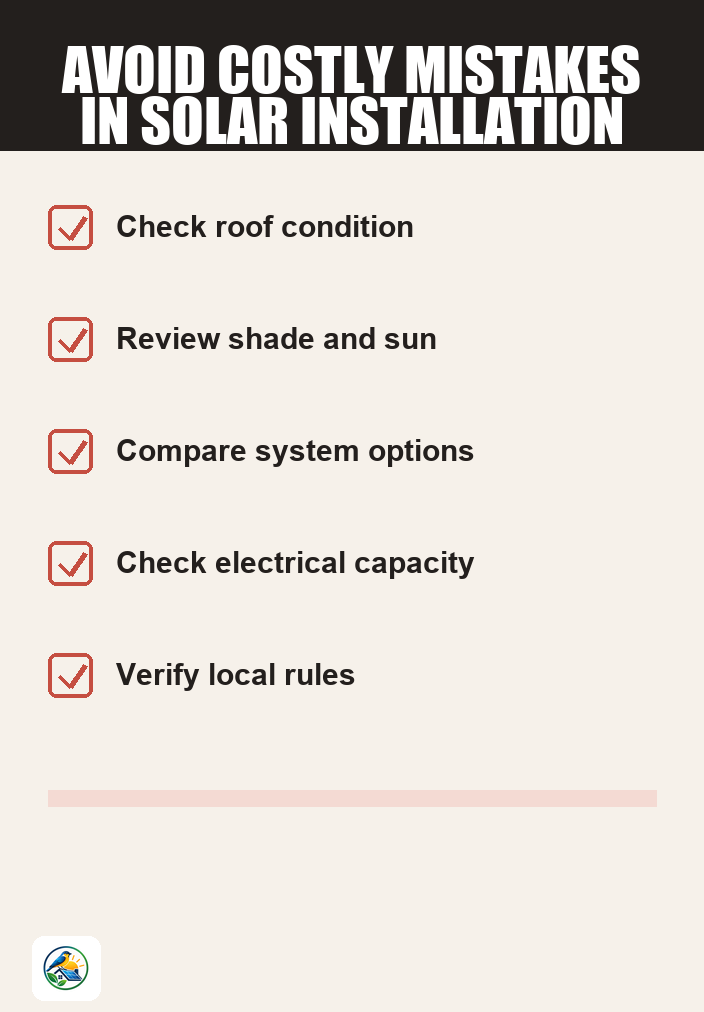
- Inverter Options: String inverters are less expensive but may not be as efficient in shaded conditions compared to microinverters or power optimizers.
4. Installation Costs
Labor costs can vary based on factors such as:
- Installer Experience: Established companies may charge more for their expertise, but this can lead to higher quality workmanship.
- Roof Condition: If your roof requires repairs or reinforcement, this can increase installation costs.
- Permitting and Inspection Fees: Local regulations may require permits and inspections, adding to the overall cost.
Incentives and Financing Options
While the initial costs of solar installation can be significant, various incentives may help offset these expenses. It’s essential to verify current local and federal incentives, as they can change over time. Here are common types of incentives to consider:
- Federal Tax Credit: Homeowners may qualify for a tax credit based on their solar installation cost, but you should check the current percentage and eligibility criteria.
- State and Local Incentives: Colorado may offer additional rebates or incentives, which vary by municipality, so research local programs.
- Financing Options: Many installers offer financing plans, which can help homeowners manage upfront costs. However, be cautious of interest rates and terms.
Net Metering and Utility Policies
Understanding how your local utility handles net metering is crucial. This policy allows homeowners to receive credits for excess energy generated by their solar systems that is sent back to the grid. Factors to consider include:
- Net Metering Rules: Check how your utility calculates credits and whether they have any limits or caps.
- Utility Rates: Understanding your utility’s rate structure can impact how much you save with solar.
Evaluating Your Home’s Suitability for Solar
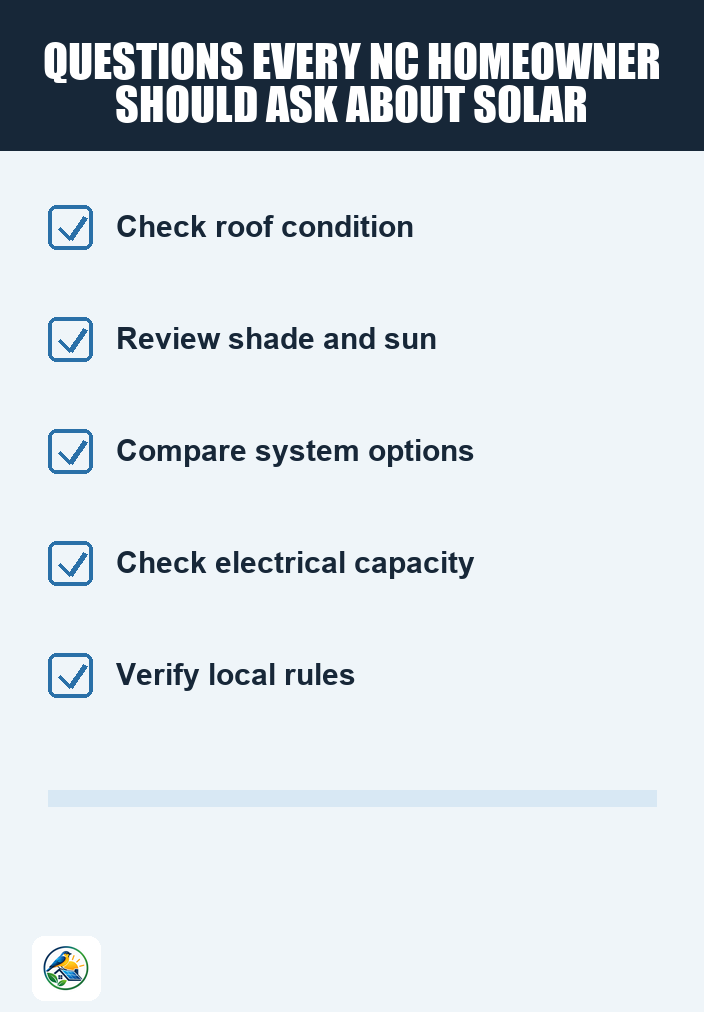
Not all homes are equally suited for solar installation. Before proceeding, consider the following:
- Roof Orientation and Tilt: South-facing roofs often receive the most sunlight, while east- or west-facing roofs may also work, depending on shading.
- Shading Issues: Trees and nearby buildings can block sunlight and reduce solar panel efficiency. A professional assessment can clarify these issues.
- Future Plans: Consider whether you plan to stay in your home long enough to recoup your investment. If you’re planning to move soon, solar may not be beneficial.
Next Steps for Homeowners
Once you’ve evaluated the costs and considerations of solar installation, the next step is to obtain itemized quotes from multiple qualified installers. This process will provide you with a clearer understanding of pricing and help you compare different options. Look for installers that offer detailed consultations and can tailor systems to your specific needs.
By taking the time to consider these critical factors, you can make an informed decision about whether solar energy is a suitable investment for your Colorado home.