Understanding the Solar Landscape in North Carolina
Deciding when to install solar panels can be a significant choice for homeowners in North Carolina. The state offers a favorable environment for solar energy, including ample sunshine and various incentives. However, the decision involves careful consideration of numerous factors, from financial implications to the specific characteristics of your home. This guide aims to provide a comprehensive overview to help you navigate the planning process effectively.
Assessing Your Home’s Suitability for Solar
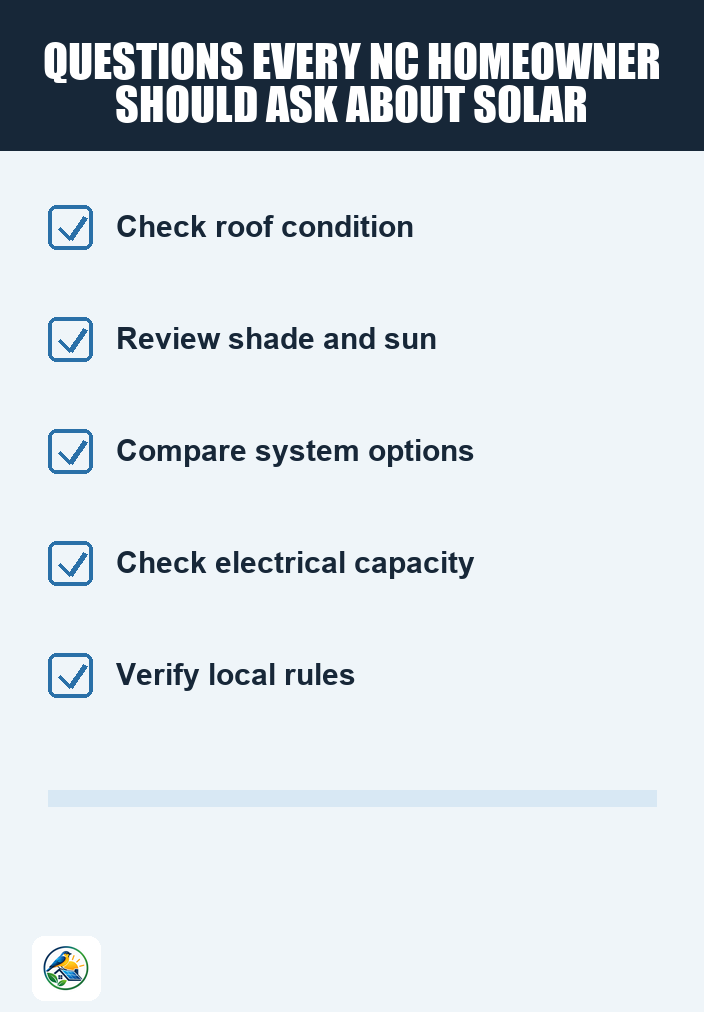
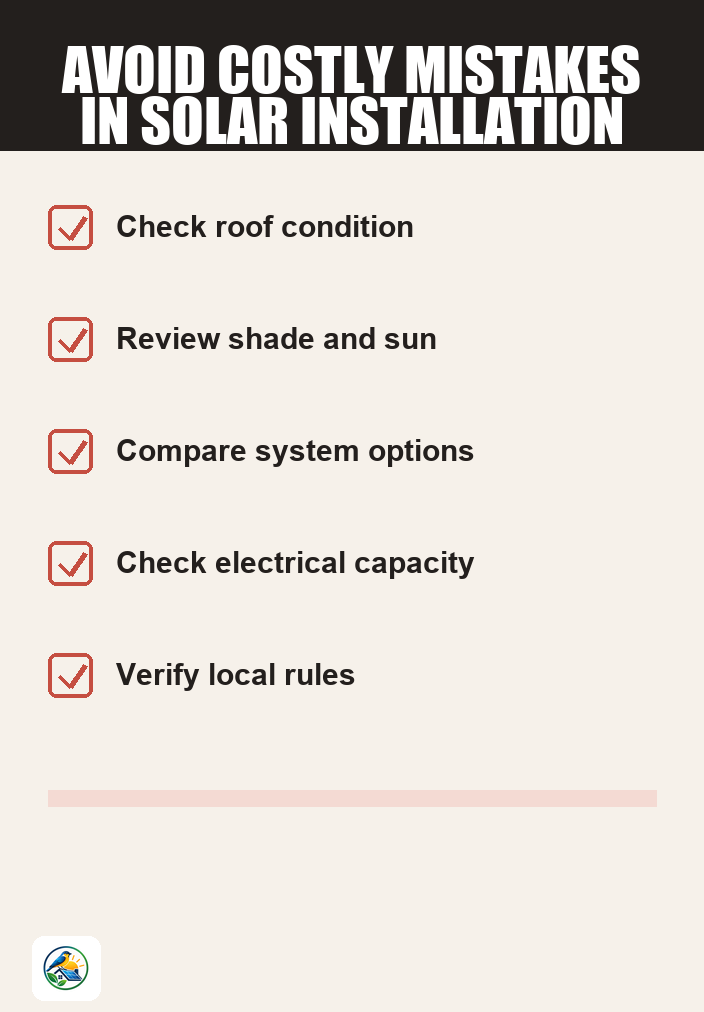
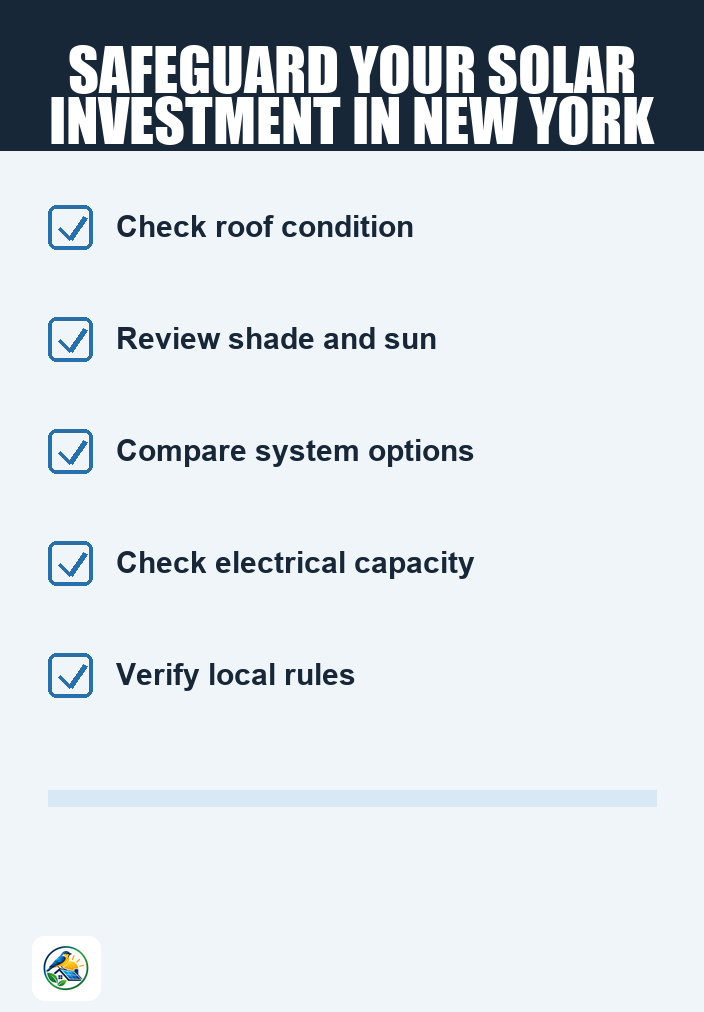
Before diving into the details of installation, it’s essential to evaluate if your home is suitable for a solar panel system. Here are key aspects to consider:
- Roof Condition: Ensure your roof is in good shape. If it needs repairs or replacement, address this before installing solar panels.
- Orientation and Pitch: South-facing roofs generally receive the most sunlight. A roof with a pitch between 15 and 40 degrees is typically ideal.
- Shading: Nearby trees, buildings, or other structures can block sunlight. Assess any potential shading throughout the day.
- Size and Space: Determine if your roof has enough space for the number of panels you might need based on your energy consumption.
- Electrical System: Ensure your electrical system is up to code and can handle the additional load from solar power.
Understanding Your Energy Needs
Calculating your energy needs is a critical step in deciding when to install solar panels. Start by reviewing your electricity bills to identify your average monthly consumption. This information will help you estimate the size of the solar system you may need.
Estimating System Size
A common rule of thumb is that 1 kilowatt (kW) of solar panels produces about 1,200 to 1,500 kilowatt-hours (kWh) annually in North Carolina. To estimate the system size you might need:
- Calculate your annual energy consumption in kWh.
- Divide that number by 1,200 (or 1,500 for conservative estimates) to find the size of the system in kW.
For example, if your household uses 12,000 kWh per year, you would need approximately 8 to 10 kW of solar panels. This calculation can guide your discussions with potential installers.
Financial Considerations
Investing in solar panels involves upfront costs, but various financial incentives and financing options can affect your decision:
- Incentives: North Carolina has various incentives, including state tax credits and rebates. Research current programs to understand what might apply to you.
- Financing Options: Consider whether you will purchase the system outright, finance it, or lease it. Each option has different implications for ownership and long-term savings.
- Utility Rates: Understand your current utility rates and how solar energy can affect your bill. Check with your utility company regarding net metering policies.
Understanding Net Metering
Net metering can allow you to receive credits for any excess energy your solar system produces and sends back to the grid. This can significantly impact your overall energy costs, so it’s crucial to verify your utility’s current net metering policy.
Installation Timing and Weather Considerations
Timing your solar panel installation can also influence the process and final outcomes:
- Seasonal Weather: North Carolina’s mild climate allows for year-round installation, but spring and fall are often the most pleasant for construction work.
- Permit and Approval Times: Local permitting and interconnection processes can take time. Be sure to factor this into your timeline.
- Installer Availability: Some installers may have busy seasons. Planning ahead can help secure a preferred installation date.
Understanding Battery Backup Options
While a grid-tied solar system is the most common, homeowners may also consider battery backup systems. These allow you to store excess energy for use during outages or at night. Here are some considerations:
- Cost: Battery systems can add to the initial investment, so weigh the benefits against the costs.
- Capacity: Assess how much backup power you may need based on your energy usage during outages.
- Maintenance: Battery systems require maintenance and may have a limited lifespan, which could affect long-term planning.
Choosing the Right Installer
When you’re ready to move forward, comparing quotes from qualified solar installers is crucial. Here are steps to guide you:
- Research local installers with good reviews and experience in residential solar.
- Request detailed, itemized quotes from at least three installers. Ensure they outline equipment, installation costs, and expected timelines.
- Inquire about warranties, maintenance services, and their experience with your local utility’s policies.
- Ask about financing options and any incentives they can help you access.
Next Steps: Making Your Decision
Ultimately, deciding to install solar panels in North Carolina involves assessing your home, understanding your energy needs, and weighing financial considerations. By carefully evaluating your options and gathering quotes, you’ll be better positioned to make an informed decision that aligns with your goals and circumstances. Always verify current incentives and policies that may affect your installation choice and timeline.
Taking the time to plan will pay off, helping you to make the best choice for your home and energy needs.