Understanding Solar Installation Options in Arizona
Planning a solar installation in Arizona involves several important steps that can significantly impact the efficiency and effectiveness of your system. Arizona’s sunny climate makes it one of the best states for solar energy, but not every home or situation is ideal for solar. This guide will help you understand your options, trade-offs, and considerations as you move forward with a residential rooftop solar system, potentially with a home battery.
Evaluating Your Home’s Suitability for Solar
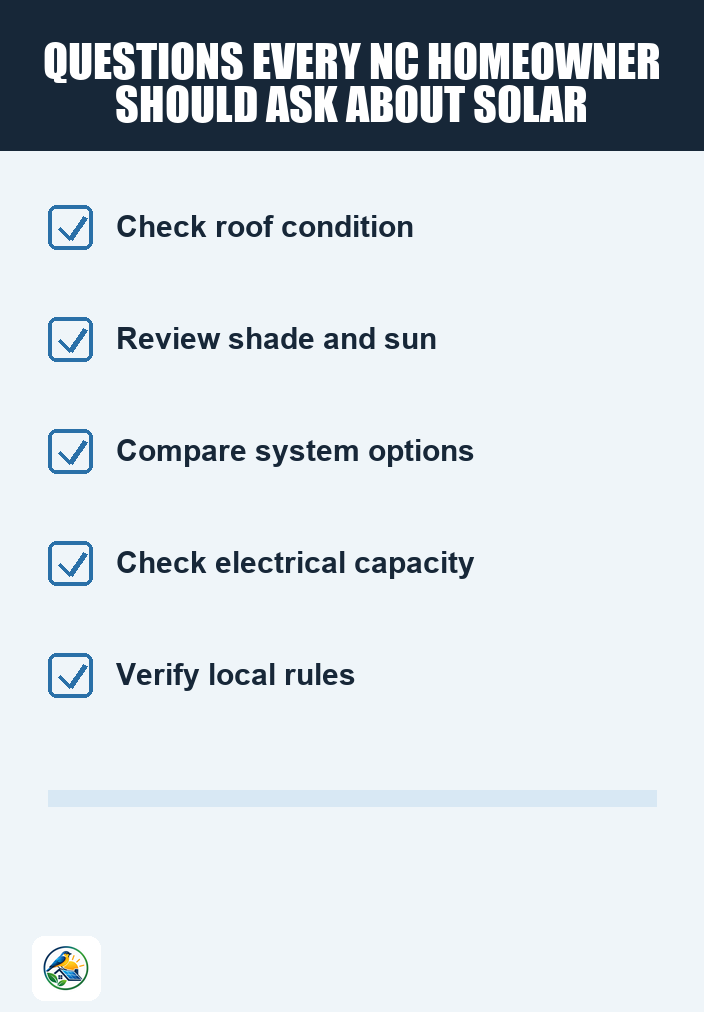
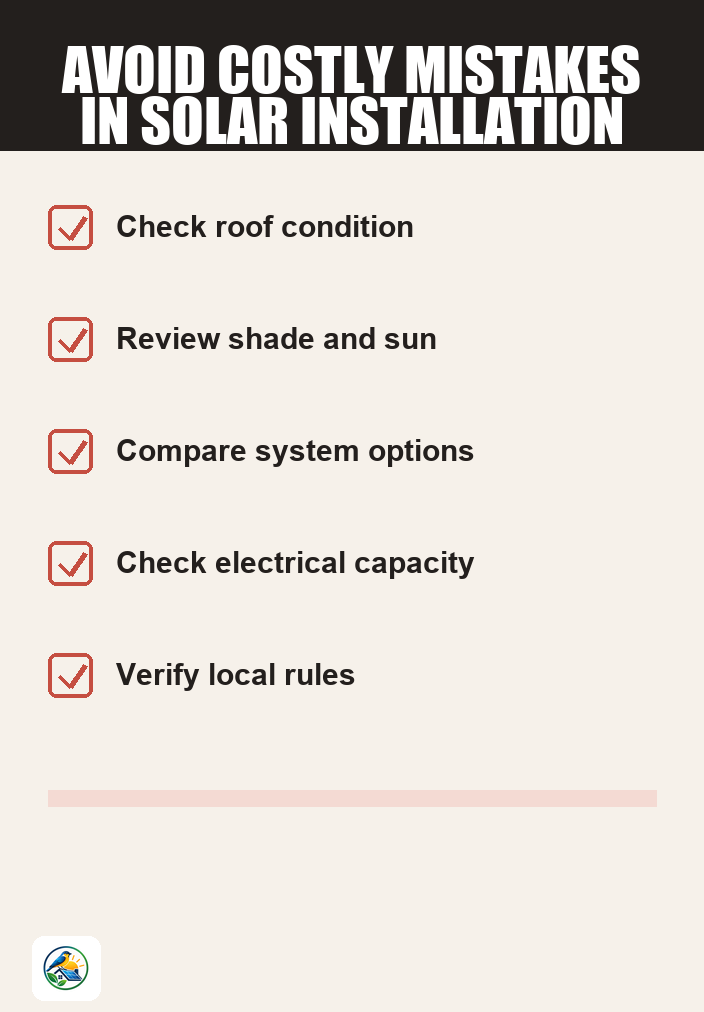
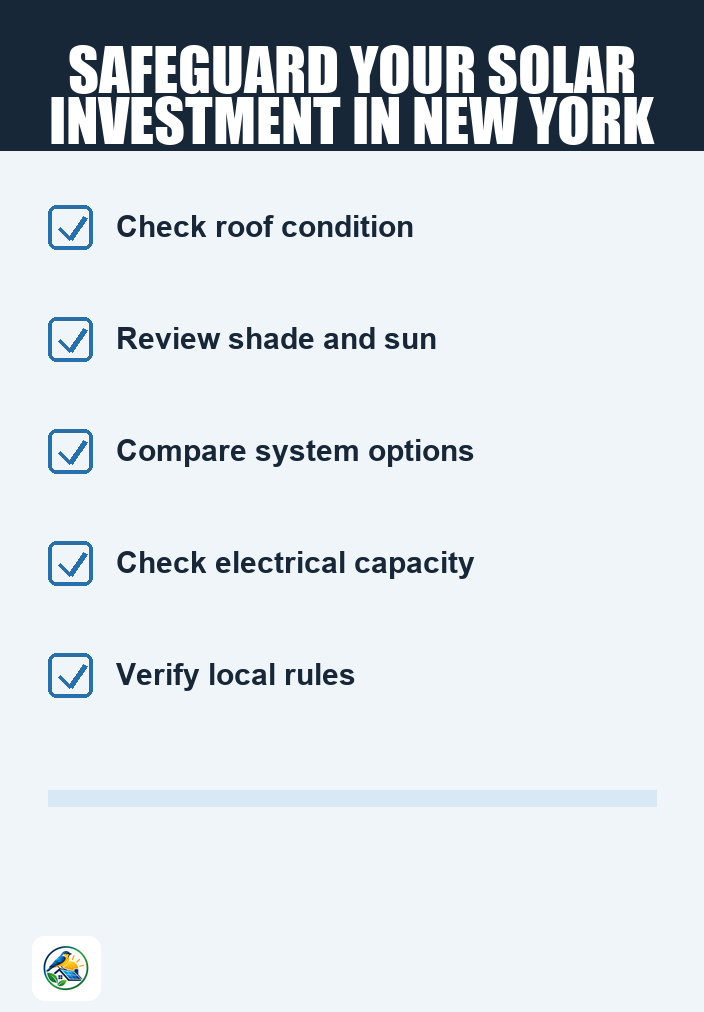
Before diving into the specifics of solar installation, it’s essential to evaluate your home’s suitability for solar energy. Consider the following factors:
- Roof Condition: Ensure your roof is in good condition and can support the weight of solar panels. If your roof needs repairs or replacement, tackle those issues first.
- Orientation and Pitch: South-facing roofs typically receive the most sunlight, while east and west orientations can still be effective. The pitch of your roof can also affect solar efficiency.
- Shade: Trees, buildings, or other structures that cast shadows on your roof can significantly reduce solar production. Assess your property during different times of the day and seasons.
- Size: The available roof space will dictate how many panels you can install, which in turn affects the system’s capacity to generate electricity.
Choosing Between Grid-Tied and Off-Grid Systems
One of the first decisions you’ll need to make is whether to go with a grid-tied system or an off-grid system.
Grid-Tied Systems
Grid-tied systems are connected to the local utility grid. This means you can draw power from the grid when your solar panels aren’t producing enough electricity (such as at night or during cloudy days). Benefits of grid-tied systems include:
- Net Metering: Many utilities offer net metering, allowing you to receive credits for excess energy produced by your solar system that is fed back into the grid.
- Lower Initial Costs: Without the need for battery storage, grid-tied systems are generally less expensive to install.
- Reliability: You can rely on the grid for power when solar production is low.
Off-Grid Systems
Off-grid systems are entirely independent of the utility grid. They often include battery storage to provide power during non-sunny periods. Consider an off-grid system if:
- You live in a remote area without reliable access to the grid.
- You want to be completely self-sufficient.
- You are prepared for higher initial costs due to the need for batteries and possibly a generator.
Considering Battery Storage
Adding a home battery can enhance the efficiency of your solar system, especially in a grid-tied setup. Batteries store excess energy generated during the day for use during the night or during power outages. However, there are trade-offs:
- Cost: Batteries can significantly increase the overall cost of your solar installation.
- Size and Capacity: You’ll need to determine the appropriate battery size based on your energy needs, which may require a professional assessment.
- Maintenance: Batteries may require periodic maintenance and eventual replacement, adding to long-term costs.
Permitting and Utility Regulations
Solar installation in Arizona is subject to local permitting and utility regulations. Before proceeding:
- Research Local Policies: Check with your local government regarding permits required for solar installations.
- Understand Utility Requirements: Utilities may have specific interconnection policies that determine how your system will connect to the grid.
- Net Metering Policies: Verify your utility’s current net metering rules, as these can impact economic considerations.
Comparing Quotes from Installers
Once you’ve assessed your home and chosen the type of system you want, the next step is obtaining quotes from qualified solar installers. Here’s how to approach this:
- Get Multiple Quotes: Obtain at least three quotes from different installers to compare pricing, equipment, and services offered.
- Itemized Estimates: Request itemized quotes that break down equipment, labor, and any additional costs associated with installation.
- Check Reviews and References: Look for reviews or ask for references to ensure the installers have a good reputation for quality work.
- Evaluate Warranty Offers: Look closely at warranties for both the panels and the installation work. A solid warranty can provide peace of mind.
Next Steps for Your Solar Installation
Planning a solar installation in Arizona can be straightforward with the right information. Start by evaluating your home’s suitability for solar, choosing between grid-tied and off-grid systems, and considering battery storage options. Ensure you understand local permitting requirements and utility regulations. Finally, gather and compare quotes from qualified installers to make the best decision for your home.
Taking these steps will help you maximize the efficiency of your solar system while making an informed decision that aligns with your energy needs and financial goals.