Understanding Your Solar Options in North Carolina
When considering a solar installation in North Carolina, the first step is to understand the different types of systems available and how they may fit your needs. The primary options include grid-tied systems, battery backup systems, and off-grid systems. Each has its own advantages and trade-offs.
Grid-Tied Systems
Grid-tied solar systems are the most common residential setup. These systems connect directly to the local electricity grid, allowing homeowners to draw power from the grid when their solar panels aren’t producing enough energy (like at night or during cloudy days). One major benefit is the ability to take advantage of net metering, which credits you for excess energy your panels produce and send back to the grid.
Battery Backup Systems
A battery backup system allows you to store excess energy generated during the day for use at night or during power outages. This can provide peace of mind, especially in areas prone to severe weather. However, battery systems add to the upfront costs and may require additional space for installation.
Off-Grid Systems
For those who prefer total independence from the grid, off-grid systems are an option. These setups are typically more complex and expensive due to the need for larger battery storage and additional equipment. Off-grid systems can be ideal for remote locations where grid access is limited; however, they require careful planning to ensure sufficient energy production year-round.
Assessing Your Home’s Solar Potential
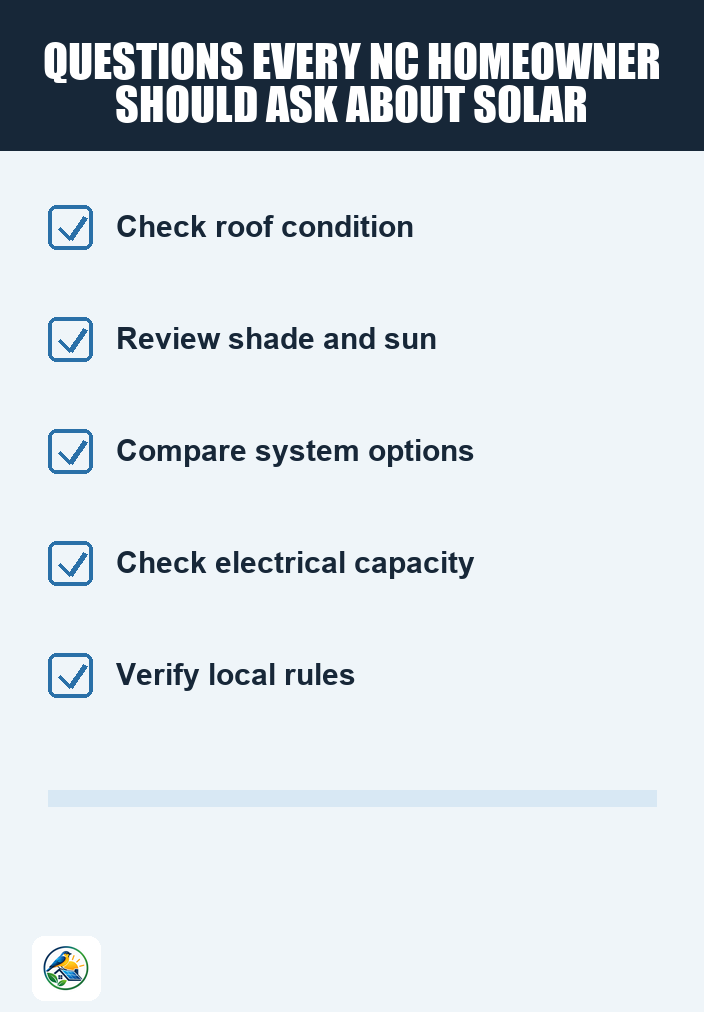
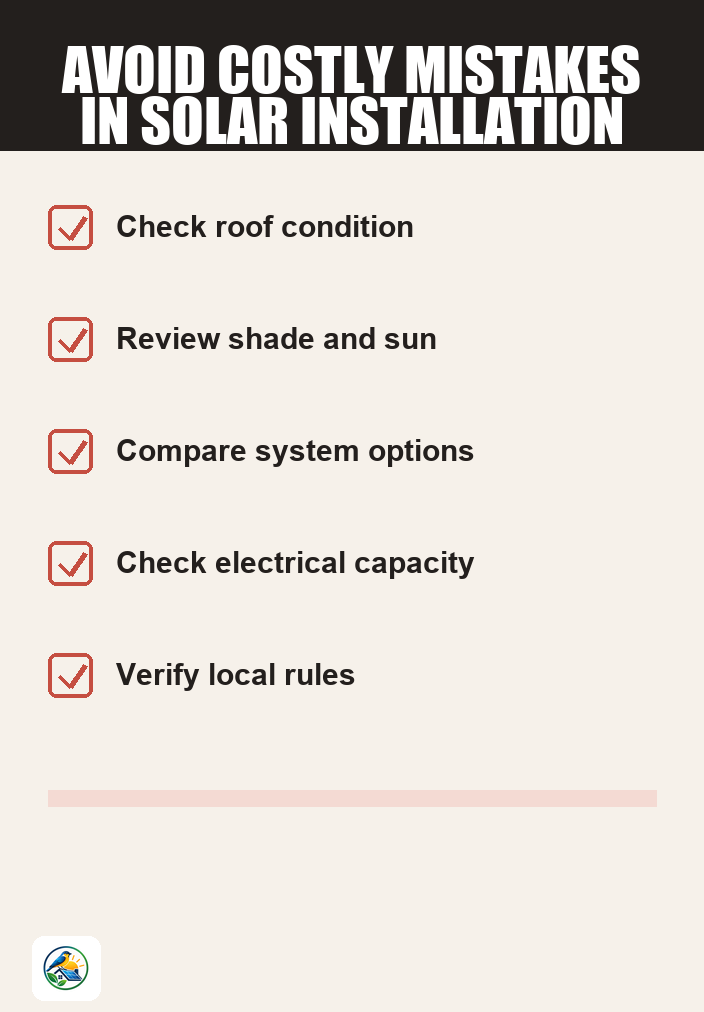
Before diving into quotes and specific installations, it’s crucial to assess your home’s solar potential. Here are some key factors to consider:
- Roof Condition: Ensure your roof is in good condition and has enough lifespan left to support solar panels. Repairs or replacements may be necessary before installation.
- Orientation and Tilt: South-facing roofs typically receive the most sunlight. If your roof faces east or west, you may still benefit from solar, but the efficiency could be less.
- Shade: Nearby trees, buildings, or other obstructions can reduce solar production. Observing how shade covers your roof throughout the day is essential.
- Space Availability: Determine how much roof space is available for solar panels. Larger installations can generate more energy, but they also require more space.
- Electrical System: Your home’s electrical system may need upgrades to handle solar energy. A professional installer can evaluate this during their assessment.
Researching Financial Incentives and Costs
North Carolina offers various financial incentives that can make solar more affordable, but these can change. It’s essential to do thorough research and verify current incentives and regulations.
- Federal Tax Credit: Check the current federal renewable energy tax credit, which may allow you to deduct a percentage of the installation costs from your federal taxes.
- State Incentives: North Carolina has had state-level incentives, but availability can vary. Look for any applicable local programs that might help with upfront costs.
- Utility Programs: Some utilities offer rebates or incentives for solar installations. Contact your utility provider to understand their specific offerings.
Comparing Installation Quotes
Once you’ve assessed your home and researched incentives, it’s time to gather quotes from qualified solar installers. Here’s a checklist to help you compare:
- Itemized Quotes: Ensure each quote breaks down the costs of equipment, installation, permits, and any additional services.
- Warranty Information: Look for warranties on both equipment and installation. This can provide peace of mind regarding the longevity of your investment.
- Financing Options: Understand the financing options available, including loans, leases, or power purchase agreements (PPAs). Compare how each option affects your overall costs.
- Experience and Reviews: Research the installer’s experience and customer reviews. A reputable installer will have a track record of successful installations and satisfied customers.
Understanding Maintenance and Long-Term Considerations
Solar systems generally require minimal maintenance, but occasional cleaning and inspections can help ensure optimal performance. Here are considerations for long-term ownership:
- Weather Impact: North Carolina’s weather can vary significantly. It’s important to consider how local storms or heavy snow may impact your system’s performance and durability.
- Battery Limitations: If you opt for a battery backup system, be aware of its limitations, such as storage capacity and lifespan, which can affect long-term costs.
- Utility Changes: Stay informed about any changes in utility policies regarding solar energy, as this can impact how much you save or earn from your system.
Next Steps
Planning your solar installation in North Carolina involves assessing your home, researching financial incentives, and comparing installer quotes. As you embark on this journey, consider reaching out to qualified installers for detailed assessments and itemized quotes. This will help you make an informed decision that aligns with your energy needs and financial goals.