Understanding Solar Installation Financing Options in North Carolina
As homeowners in North Carolina consider installing solar energy systems, understanding the financing options available is crucial. Solar installation can be a significant investment, and the right financing plan can affect the project’s overall cost, your monthly budget, and the long-term benefits of going solar. In this article, we will explore the key considerations and options for financing solar installations in North Carolina, helping you make an informed decision.
Types of Financing Options Available
Before diving into the specifics, it’s essential to understand the various financing options available for solar installations. Each option has its pros and cons, and your choice will depend on your financial situation, creditworthiness, and long-term goals.
- Cash Purchase: Paying for the solar system upfront can provide the most substantial savings over time. However, it requires a significant initial investment.
- Solar Loans: Many financial institutions offer loans specifically for solar installations. These loans can be secured or unsecured, and they vary in terms, interest rates, and monthly payments.
- Leasing: With a solar lease, you pay a fixed monthly fee to use the solar system installed on your roof. The leasing company owns the system and is responsible for maintenance.
- Power Purchase Agreements (PPAs): Similar to leasing, a PPA allows you to buy the power generated by the solar system at a predetermined rate. This can be attractive if you want to avoid upfront costs and maintenance responsibilities.
Evaluating the Trade-offs of Each Option
When comparing financing options, it’s important to evaluate the trade-offs associated with each one. Here are some factors to consider:
Upfront Costs vs. Long-term Savings
Cash purchases require a higher upfront cost, but they often lead to the greatest long-term savings. On the other hand, loans and leases can reduce initial costs but may lead to higher total payments over time due to interest or fees.
Ownership and Maintenance Responsibilities
With a cash purchase or a solar loan, you own the system outright and enjoy any tax incentives or rebates. However, you are also responsible for maintenance. Leasing or entering into a PPA means the company handles maintenance, but you won’t receive the same financial benefits as an owner.
Impact on Property Value
Homeowners may be concerned about how solar installation will affect property value. Generally, owned solar systems can increase property value, while leased systems may not provide the same benefit. It’s wise to discuss these implications with local real estate professionals.
Understanding Local Incentives and Tax Considerations
North Carolina offers various incentives for solar installation, including rebates and tax credits. However, these incentives can change frequently. It’s essential to verify current incentives with local government authorities or solar installation companies. Consider the following:
- State Tax Credit: North Carolina previously offered a tax credit for solar installations, but it’s important to check if this is still in effect and what the eligibility requirements are.
- Federal Tax Credit: The federal investment tax credit (ITC) allows eligible homeowners to deduct a percentage of the cost of installing a solar energy system from their federal taxes. Check the current percentage and eligibility criteria.
- Local Rebates: Some municipalities offer additional rebates for solar installations, so it’s worth investigating local programs.
Net Metering and Utility Considerations
Net metering allows homeowners to receive credits for the excess electricity their solar panels produce and send back to the grid. In North Carolina, net metering policies can vary based on your utility company. Here are some considerations:
- Utility Policies: Different utilities may have varying net metering policies. Understand how your utility handles credits and whether there are any caps on the amount of energy you can send back to the grid.
- Interconnection Agreements: Before installation, you’ll need to ensure your system can connect to the grid. This may involve specific requirements and fees, so check with your utility provider.
- Potential Changes: Be aware that net metering policies can change, which may affect your long-term savings or energy production.
Assessing Your Home’s Suitability for Solar
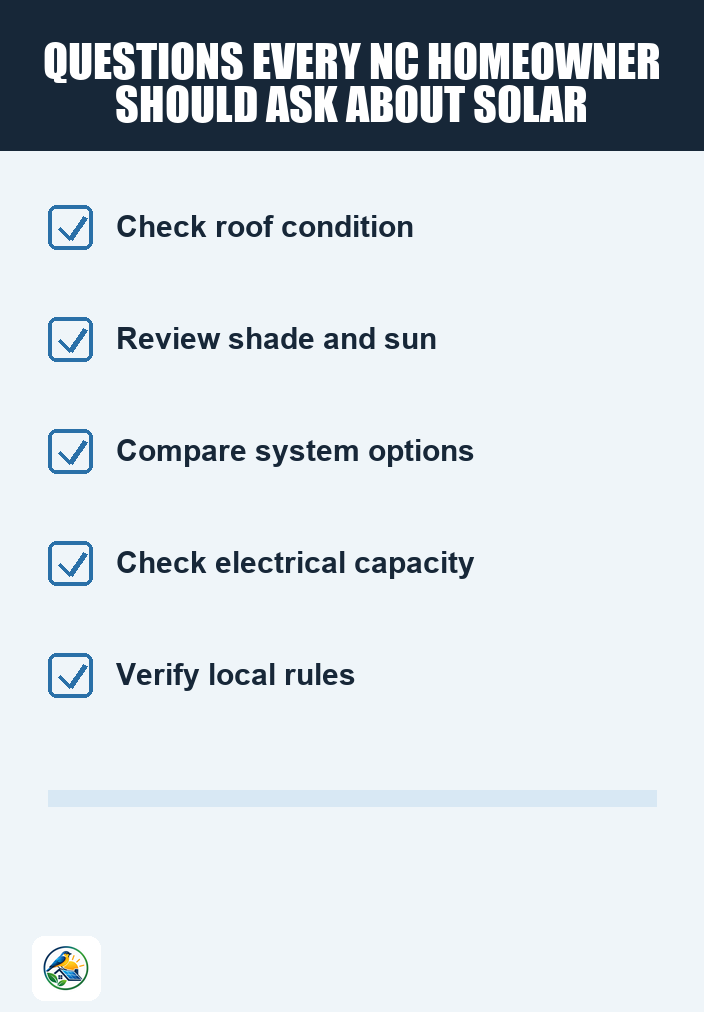
Before financing a solar installation, assess whether your home is suitable for solar energy. Key factors include:
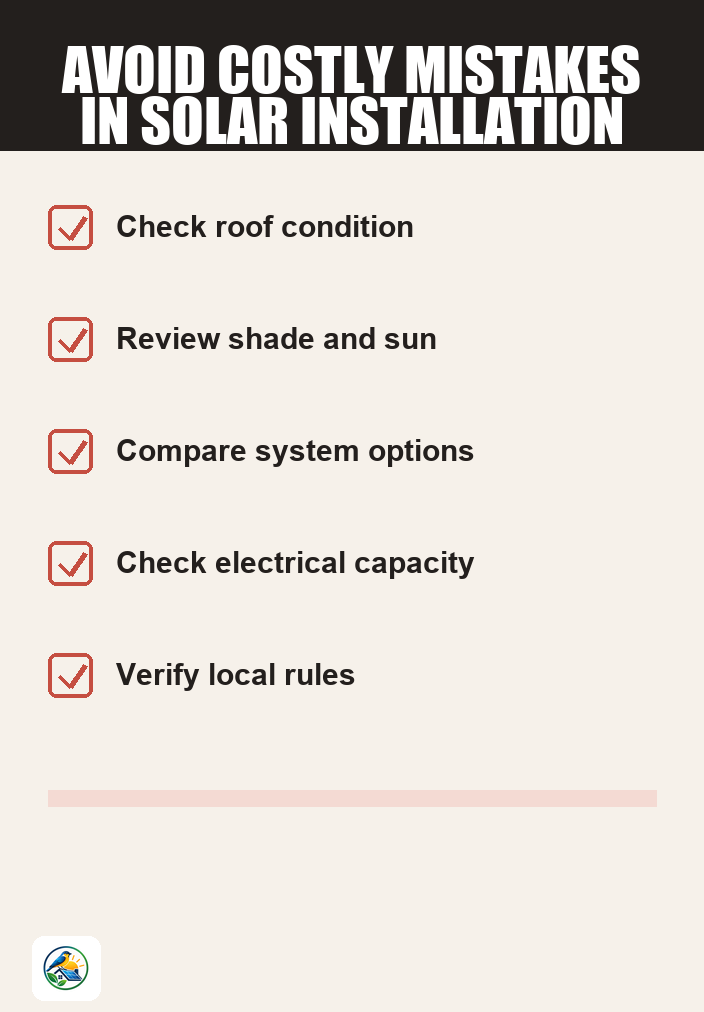
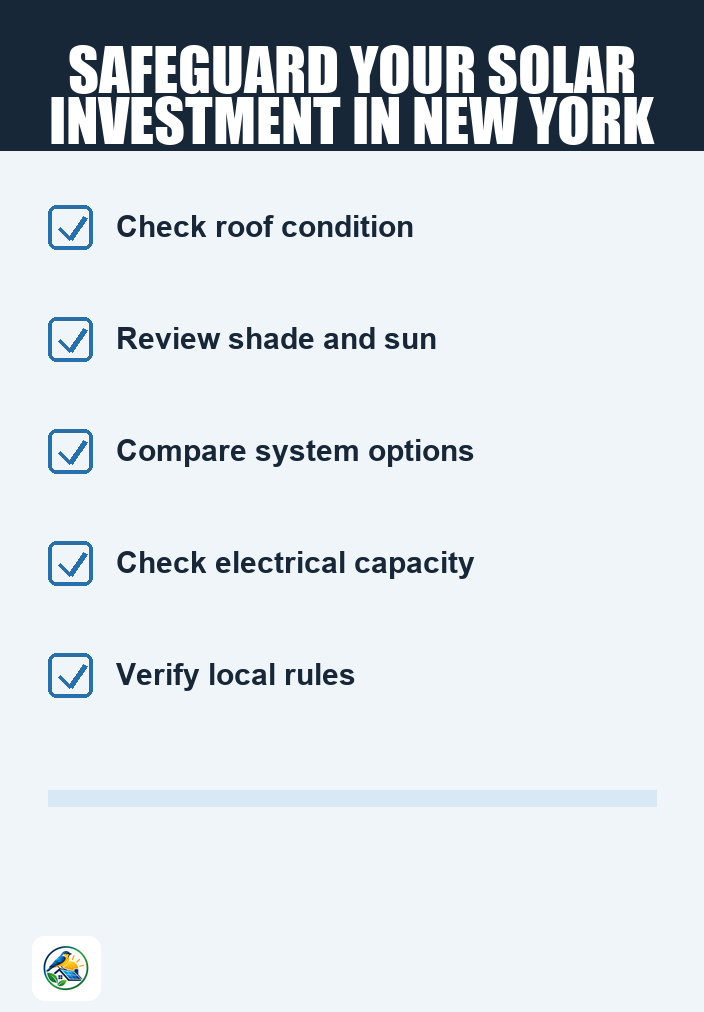
- Roof Condition: Ensure your roof is in good condition and can support a solar installation. If your roof needs repairs or replacement, factor this into your costs.
- Shade Analysis: Trees or other buildings casting shadows on your roof can significantly reduce solar production. A professional installer can conduct a shade analysis to identify potential issues.
- Orientation and Tilt: South-facing roofs typically yield the best energy production. The tilt of your roof can also impact efficiency.
- Electrical Upgrades: Older electrical systems may need upgrades to accommodate a solar installation, which can add to costs.
Getting Accurate Quotes from Professional Installers
One of the best ways to compare financing options is to obtain quotes from qualified solar installers. When obtaining quotes, consider the following:
- Itemized Quotes: Request detailed, itemized quotes that break down equipment costs, installation fees, financing options, and any incentives applicable.
- Compare Financing Options: Each installer may offer different financing options, so compare the terms, interest rates, and monthly payments.
- Installation Experience: Look for installers with a proven track record in North Carolina, as they will be familiar with local regulations and incentives.
- Warranty and Maintenance: Understand what warranties are offered and any ongoing maintenance responsibilities.
Next Steps for Homeowners
Deciding to install a solar energy system is a significant step that requires careful consideration of financing options, local incentives, and the suitability of your home. Start by researching qualified installers in your area and requesting itemized quotes. This process will provide valuable insights and help you make an informed decision based on your unique circumstances.
Remember that financing a solar installation is a personal decision that should align with your financial goals and long-term vision for your home. Take the time to explore your options, and don’t hesitate to reach out to professionals for guidance.