Understanding Solar Installation Challenges for Texas Homeowners
As a Texas homeowner considering a rooftop solar installation, you’re likely aware of the significant benefits solar energy can provide. However, the journey to harnessing that energy is not without its challenges. From understanding the specific requirements of your property to navigating local regulations, it’s essential to be prepared for potential roadblocks. This article outlines common challenges you might encounter and offers practical insights on how to overcome them.
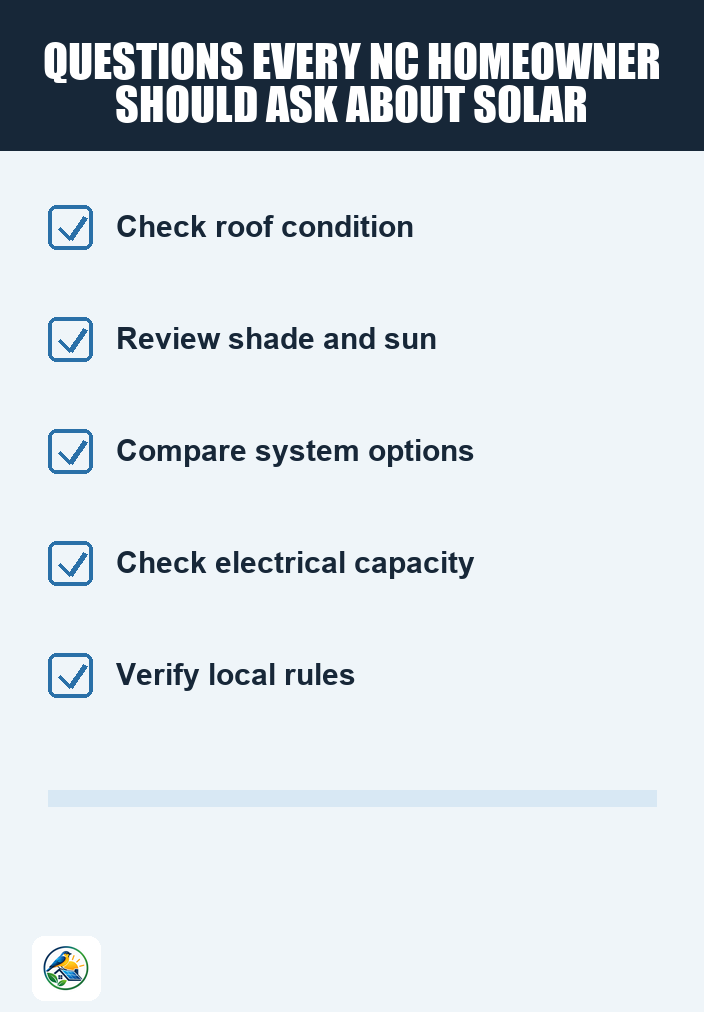
1. Roof Condition and Suitability
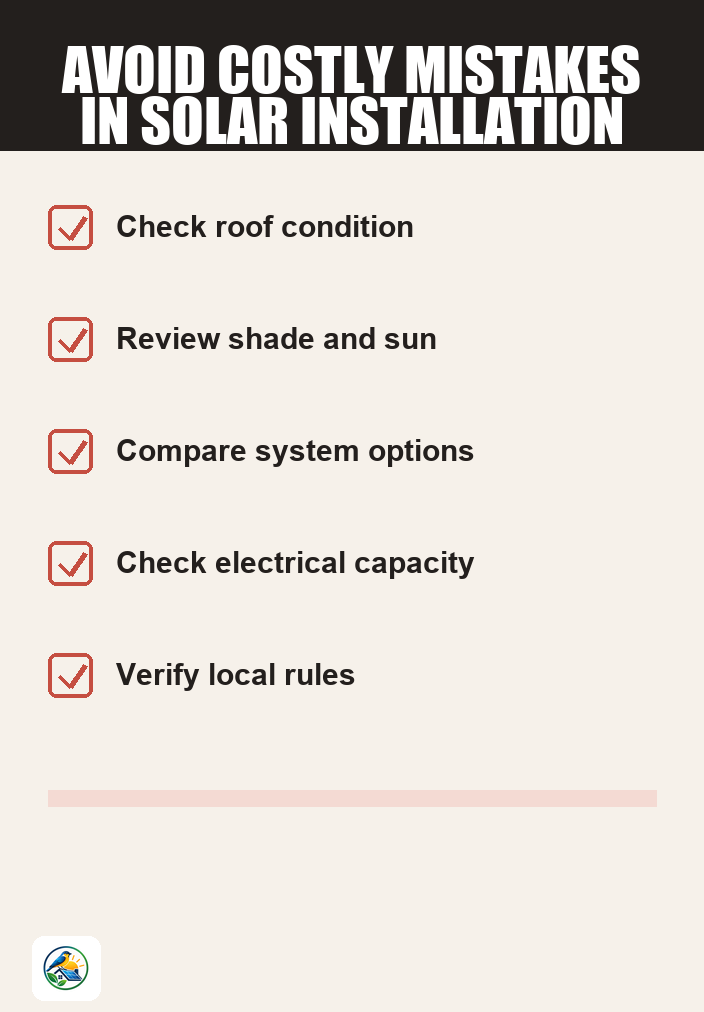
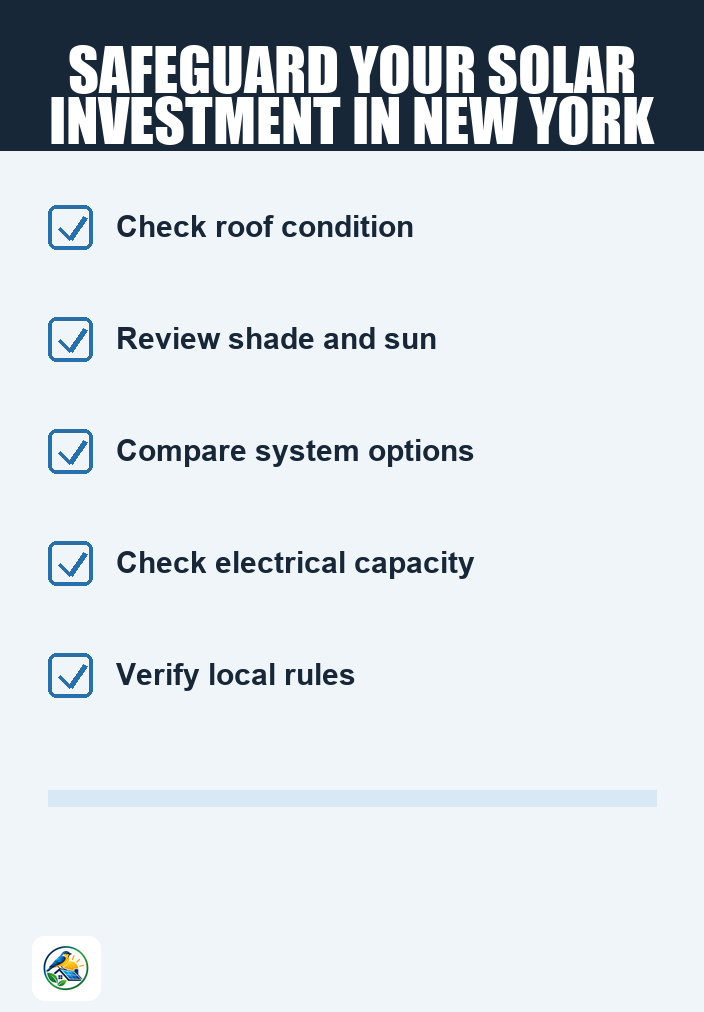
Your roof is the foundation of your solar system. Before installation, it’s crucial to assess its condition. Issues like age, material, and structural integrity will influence both the installation process and long-term performance.
Considerations for Roof Assessment
- Age: If your roof is nearing the end of its lifespan, it may be wise to replace it before installing solar panels.
- Material: Different roofing materials (asphalt shingles, metal, tile) can affect installation methods and costs.
- Orientation and Pitch: Roofs facing south or west typically receive more sunlight, while a steep pitch can complicate installation.
If your roof needs repairs or replacement, factor this into your solar installation timeline and budget. A professional installer can provide advice on whether your roof is suitable for solar and recommend next steps.
2. Shade Issues and Solar Performance
Shading from trees, buildings, or other structures can significantly reduce the efficiency of a solar system. Performing a shading analysis will help determine how much sunlight your panels will receive throughout the day.
Identifying and Mitigating Shade
- Tree Trimming: If trees are shading your roof, consider trimming them back to improve sunlight exposure.
- Panel Placement: A professional installer can suggest optimal panel placement to minimize the impact of shade.
- Choosing Technology: Some solar technologies, such as microinverters, can help mitigate the effects of shading.
Keep in mind that partial shading can significantly impact energy production, so it’s crucial to assess this before proceeding.
3. Local Regulations and Permits
Texas has a decentralized regulatory environment, meaning requirements can vary widely by city or county. Before installation, you’ll need to navigate the permitting process, which may involve obtaining approval from local authorities.
Steps to Navigate Permitting
- Research local zoning laws to understand any restrictions on solar installations.
- Check if your municipality requires specific permits for solar installations.
- Consult with your chosen installer, as they often have experience working with local regulations and can assist with the permitting process.
Being proactive in understanding these regulations can save you time and frustration as you prepare for your installation.
4. Utility Policies and Interconnection
Understanding your local utility’s policies on net metering, interconnection, and grid access is crucial. These policies determine how your solar system will interact with the grid and what compensation you might receive for excess energy produced.
Key Utility Considerations
- Net Metering: Some utilities offer net metering, allowing you to receive credits for excess energy sent back to the grid.
- Interconnection Agreements: You’ll need to apply for interconnection to connect your solar system to the grid, which can involve fees and paperwork.
- Utility Incentives: Check if your utility offers any incentives or rebates for solar installations, as these can vary widely.
Be sure to have a conversation with your installer about how these policies will impact your solar system and overall energy strategy.
5. Financial Considerations and Financing Options
Financing your solar system can be one of the most complex aspects of installation. You’ll need to weigh the costs of equipment, installation, and potential financing options against your budget and long-term goals.
Exploring Financial Options
- Cash Purchase: Paying upfront may offer the best long-term value without accruing interest.
- Loans: Many banks and credit unions offer loans specifically for solar installations, but interest rates and terms vary.
- Leases and Power Purchase Agreements (PPAs): These options allow you to install solar with little to no upfront cost, but they can come with their own trade-offs in terms of ownership and long-term savings.
Consulting with a financial advisor or your installer can help clarify which options might be best for your situation.
6. Maintenance and System Care
After installation, ongoing maintenance is essential to ensure your solar system operates at peak efficiency. Some systems may require more upkeep than others, depending on the technology and installation environment.
Maintenance Tips
- Regular Inspections: Schedule periodic inspections with your installer to check for issues.
- Cleaning: Keep panels clean and free of debris to maximize energy production.
- Monitoring: Use monitoring systems to track your solar output and identify any performance issues early.
Being proactive about maintenance can extend the life of your system and maximize its performance.
Practical Next Steps for Texas Homeowners
As you consider solar installation for your Texas home, the key to a successful project is preparation. Start by assessing your roof, understanding local regulations, and exploring financing options. Consulting with qualified solar installers can provide valuable insights tailored to your specific situation.
When you’re ready, compare detailed, itemized quotes from multiple qualified installers. This will give you a clearer picture of potential costs and help you make an informed decision. Remember, solar is a significant investment, and thorough research will help ensure it’s the right fit for your home.