Understanding the Landscape of Solar Installation in Arizona
Arizona is known for its abundant sunshine, making it an attractive state for solar energy solutions. As a homeowner considering a residential rooftop solar system, you may find yourself weighing the options between a DIY installation and hiring professional services. Each approach has its unique advantages and challenges, and understanding these can help you make an informed decision that best suits your home and energy needs.
The DIY Approach: Benefits and Challenges
Opting for a DIY solar installation can seem appealing for multiple reasons, including potential cost savings and the satisfaction of completing a project yourself. However, there are significant considerations to keep in mind.
Advantages of DIY Solar Installation
- Cost Savings: The most obvious benefit is the potential to save on labor costs associated with hiring professionals.
- Learning Experience: Installing solar panels yourself can be a valuable educational experience, enhancing your understanding of renewable energy.
- Flexibility: You can set your own timeline and adjust plans as needed without coordinating with a contractor.
Challenges of DIY Solar Installation
- Safety Risks: Working on rooftops and handling electrical components can be dangerous without proper training.
- Permitting and Regulations: Navigating local building codes and obtaining necessary permits can be time-consuming and complex.
- System Design: Designing a solar system that meets your specific energy needs requires technical knowledge about panel placement, orientation, and capacity.
- Warranty Issues: DIY installations may void warranties on equipment, leaving you unprotected if something goes wrong.
Professional Installation: A Safer, More Reliable Option
Choosing to hire a professional solar installer can alleviate many of the challenges associated with DIY projects. Professional services typically offer comprehensive packages that cover design, installation, and ongoing support.
Advantages of Professional Solar Installation
- Expertise: Professionals have the training and experience to design and install systems that maximize efficiency and comply with local regulations.
- Safety: Licensed installers adhere to safety protocols, reducing the risk of accidents during installation.
- Warranties and Support: Many professional services offer warranties on both equipment and installation, providing peace of mind for homeowners.
- Streamlined Permitting: Professionals are familiar with local permitting processes and can handle these requirements on your behalf.
Challenges of Professional Solar Installation
- Higher Costs: Hiring professionals means paying for their labor, which can increase the overall cost of your solar project.
- Limited Flexibility: You will need to work around the contractor’s schedule and may have less personal control over the project timeline.
Key Considerations for Homeowners
Before making a decision, consider the following factors specific to your situation in Arizona:
Roof Condition and Orientation
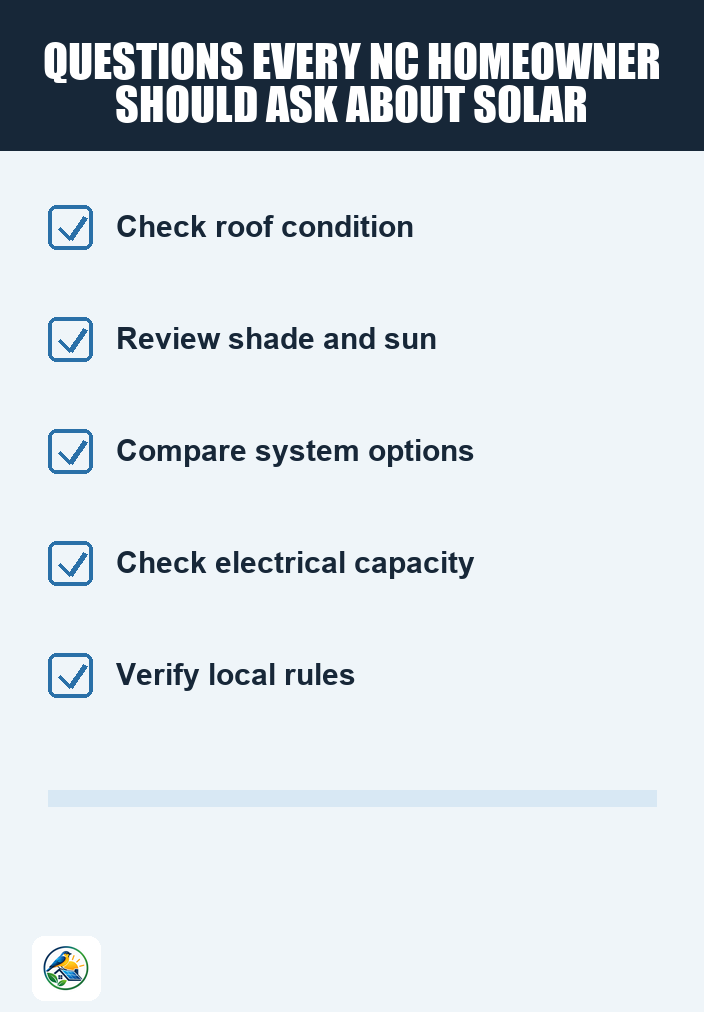
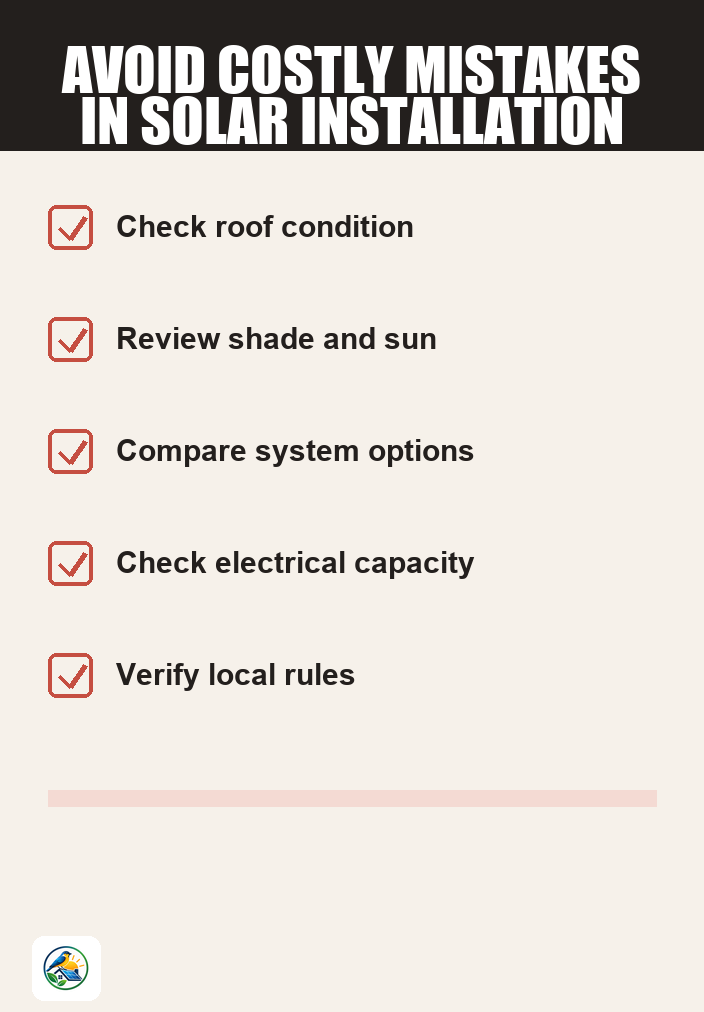
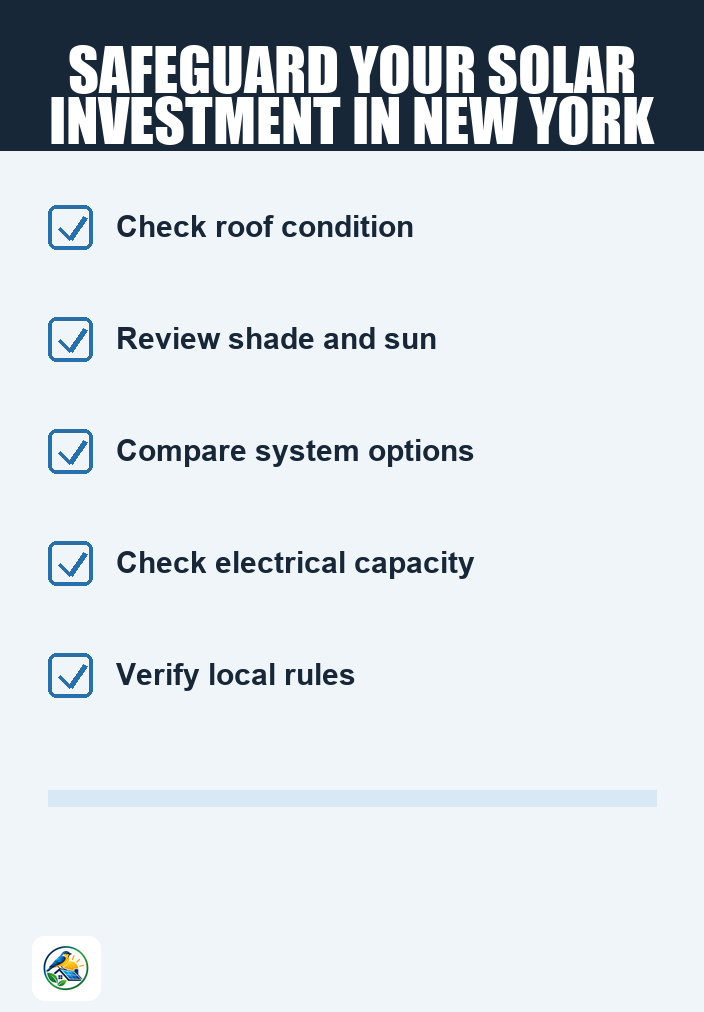
The condition of your roof is paramount. If your roof is old, damaged, or not structurally sound, it may require repairs or replacement before solar installation. Additionally, the orientation of your roof can significantly impact the efficiency of your solar panels. South-facing roofs typically receive the most sunlight, while shaded or north-facing roofs may not generate enough energy to justify installation.
Energy Needs and System Sizing
Understanding your energy consumption is crucial for sizing your solar system appropriately. A professional installer can help you evaluate your past energy usage and recommend a system that meets your needs. If you choose the DIY route, you’ll need to conduct this assessment yourself and research how to size your solar array correctly.
Permitting and Local Regulations
Arizona has specific regulations regarding solar installations, including permitting processes and utility interconnection requirements. Before beginning a DIY project, ensure you understand these rules, as failure to comply can result in fines or installation delays. Professional installers are typically well-versed in these regulations and can navigate them more efficiently.
Battery Backup and Off-Grid Options
If you are considering adding a home battery to your solar system, it’s essential to understand the different options available. Battery systems can provide backup power during outages and help manage energy use, but they require a different installation approach than grid-tied systems. A professional installer can help you determine if a battery backup is suitable for your home and how to integrate it into your solar setup.
Next Steps for Homeowners
Ultimately, whether you choose a DIY installation or professional services will depend on your comfort level, expertise, and specific home circumstances. If you decide to explore professional options, it’s wise to compare itemized quotes from qualified installers. This will help you understand the costs involved and allow you to assess the services included in each quote.
Additionally, verify current local incentives, tax credits, and utility policies that may affect your solar decision. Each homeowner’s situation is unique, and thorough research will help you make the best choice for your energy needs and financial situation.