Understanding the Basics of Solar Installation Costs in Virginia
Considering a solar installation for your home in Virginia can be an exciting yet daunting prospect. The costs associated with solar energy systems can vary widely based on several factors, including your home’s specific characteristics, the type of system you choose, and local regulations. Understanding these costs without overspending is crucial for homeowners looking to make an informed decision.
Factors Influencing Solar Installation Costs
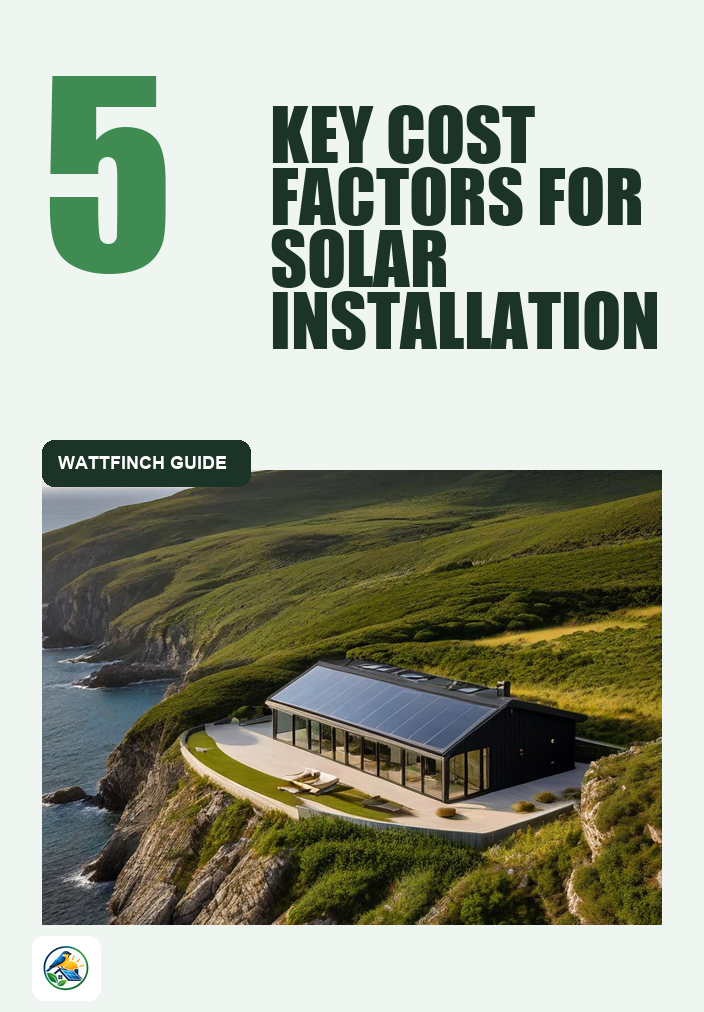
Several key factors impact the costs of solar installation in Virginia:
- System Size: The size of the solar system you need is one of the most significant cost determinants. Typically measured in kilowatts (kW), your system size will depend on your energy consumption, roof size, and orientation.
- Type of System: There are different types of solar systems, including grid-tied systems, which are connected to the utility grid, and off-grid systems, which operate independently. Battery backup systems offer additional reliability but can significantly increase costs.
- Roof Condition and Orientation: A roof that is in poor condition or has significant shading may require additional work before installation, increasing overall costs. The orientation of your roof also affects energy production.
- Installation Complexity: The complexity of your installation can influence costs. Roofs with multiple angles, steep pitches, or unique architecture may require more labor and specialized equipment.
- Permitting and Interconnection Fees: Local permitting and utility interconnection policies can add to your installation costs. These fees vary by county and utility provider.
Types of Solar Systems and Their Costs
As a homeowner, you have several options when it comes to solar systems, each with its own cost implications:
1. Grid-Tied Solar Systems
Grid-tied systems are the most common and typically the least expensive option. They allow you to use solar energy while still being connected to the utility grid. Any excess energy your system produces can often be sold back to the grid through net metering, though specific rules can vary by utility.
2. Off-Grid Solar Systems
Off-grid systems are designed for homes that are not connected to the utility grid. They require battery storage to provide power when solar generation is low, making them more expensive due to the added cost of batteries and inverters.
3. Solar with Battery Backup
Homeowners may also opt for a grid-tied system with battery backup. This option provides the advantage of energy storage during outages and can help maximize self-consumption of solar energy. However, the inclusion of batteries increases the initial investment.
Understanding Quotes and Pricing
When you begin receiving quotes from installers, it’s essential to understand what you’re being charged for. A comprehensive quote should include:
- System size and expected energy production
- Itemized costs for equipment, installation labor, and any permits or fees
- Details on warranties for equipment and installation
- Information on financing options, if available
Be wary of quotes that seem significantly lower than others. This could be a red flag regarding the quality of materials, installation practices, or hidden costs. Comparing itemized quotes from multiple qualified installers can help you get a clearer picture of what you’re paying for.
Common Additional Costs and Considerations
In addition to the base costs of the solar system, consider these potential additional expenses:
- Roof Repairs: If your roof needs repairs or replacement before installation, this can add to your overall costs.
- Electrical Upgrades: Older homes may require electrical panel upgrades to accommodate a new solar system, which can be an unexpected expense.
- Maintenance and Monitoring: While solar systems generally require little maintenance, you may want to budget for occasional cleaning or monitoring services.
- Incentives and Tax Credits: Virginia may offer state-specific incentives, but these can change. Always verify current local utility, installer, and government information regarding incentives and tax credits.
Trade-offs and Decision-Making
Ultimately, choosing the right solar installation for your home involves weighing various trade-offs. For instance, while battery backup systems offer energy independence, they significantly increase installation costs. Similarly, a larger system may provide more energy but will require a higher upfront investment.
Consider your long-term energy goals, budget, and the unique characteristics of your home when evaluating solar options. Understanding the nuances of various systems and their associated costs can help you avoid overspending while making a choice that aligns with your needs.
Next Steps for Virginia Homeowners
As you navigate the solar installation process, here are some practical next steps:
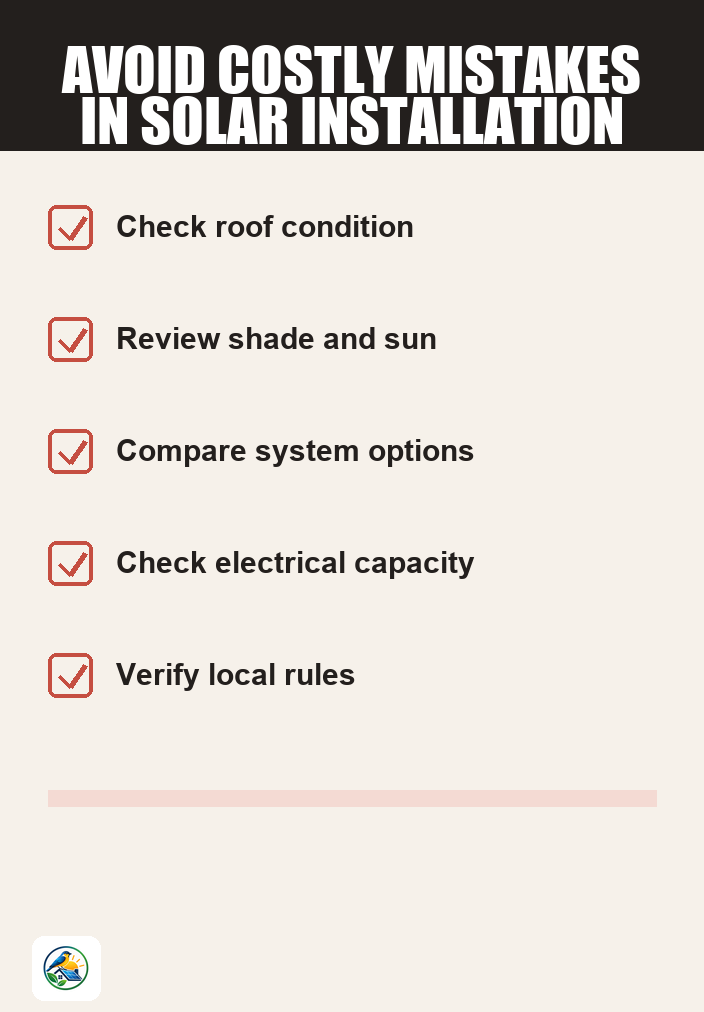
- Assess your energy needs and consider the size and type of system that may work best for your home.
- Research local solar installers and request itemized quotes to compare costs and services.
- Verify any available incentives or tax credits with local authorities or tax professionals.
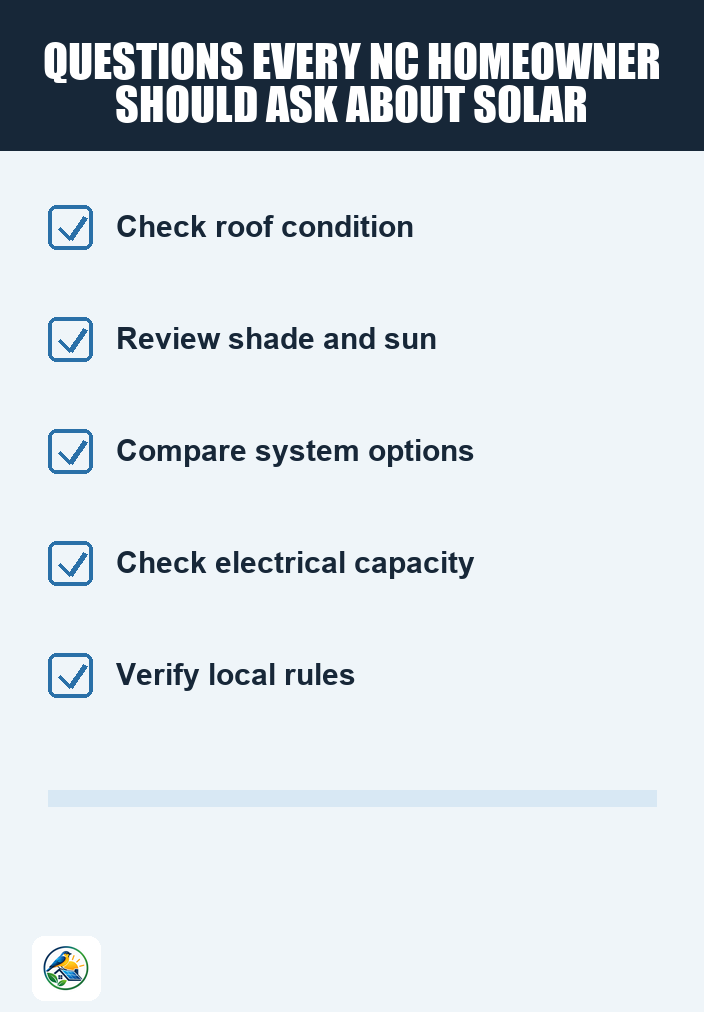
- Review your roof’s condition and orientation to ensure it is suitable for solar installation.
- Consider potential future energy needs, such as plans for home expansion or electric vehicle charging.
By taking the time to research, compare options, and understand the costs involved, you can make a well-informed decision about solar energy for your home in Virginia without overspending.