Understanding Solar Energy Options for California Homeowners
California is a leading state in the adoption of solar energy, making it an attractive option for many homeowners considering a residential rooftop solar system. However, before embarking on this journey, several essential factors must be considered to determine if solar is the right fit for your home. This article will delve into the key elements to evaluate, ensuring you make an informed decision that aligns with your specific circumstances.
Assessing Your Home’s Solar Potential
The first step in considering solar installation is evaluating your home’s solar potential. This includes the following:
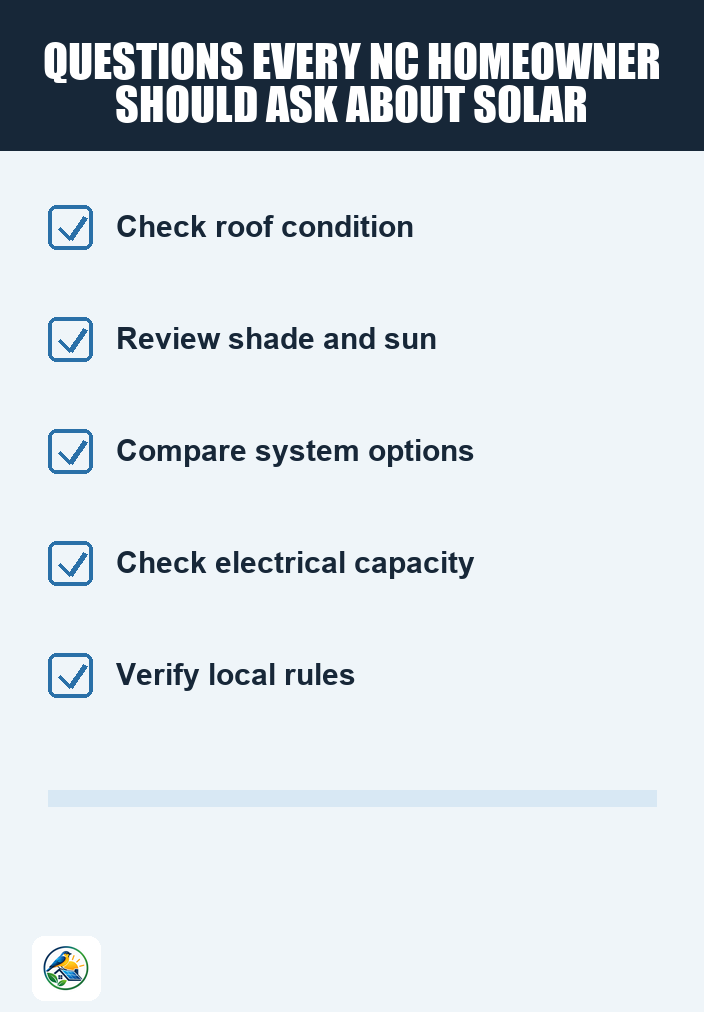
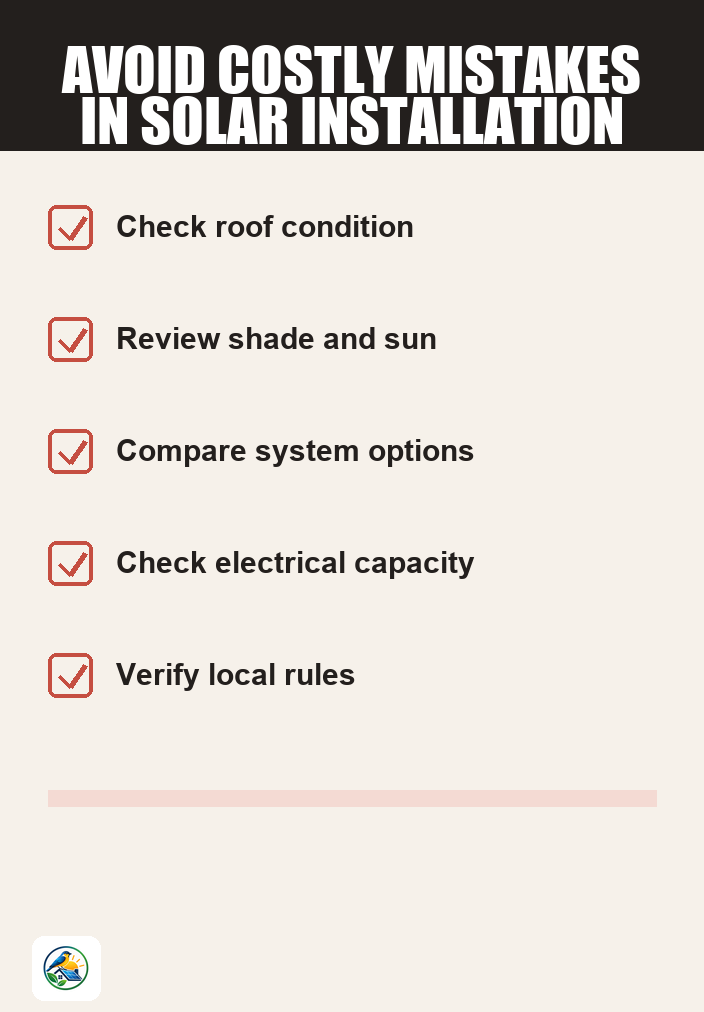
- Roof Condition: Before installing solar panels, it’s crucial to assess the condition of your roof. If your roof is aging or in disrepair, it may need repairs or replacement before installation, which could add to your overall costs.
- Shade Analysis: Trees, buildings, or other obstructions can cast shadows on your roof, significantly reducing solar panel efficiency. A professional installer can conduct a shade analysis to determine how much sunlight your roof receives throughout the day.
- Roof Orientation and Tilt: South-facing roofs typically receive the most sunlight, making them ideal for solar panels. However, roofs facing east or west can also be effective. The tilt of your roof may also affect solar panel efficiency, with a steeper angle often providing better performance in certain climates.
Understanding Energy Needs and System Sizing
Once you have a clear understanding of your home’s solar potential, the next step is to evaluate your energy needs. This involves:
- Current Energy Consumption: Review your past electricity bills to understand your average energy use. This information is crucial for determining the size of the solar system needed to offset your energy consumption.
- Future Energy Plans: Consider any upcoming changes in your energy needs, such as adding new appliances, electric vehicles, or home expansions. Planning for these changes can help ensure your solar system meets your needs over time.
- System Sizing: A professional installer can help you size your solar system appropriately. Too small a system may not meet your energy needs, while an oversized system could lead to unnecessary expenses.
Storage Options: Battery Backup vs. Grid-Tied Systems
When considering solar, another important factor is whether to include a battery backup. There are two primary options:
- Grid-Tied Systems: Most homeowners opt for grid-tied solar systems, which allow you to draw electricity from the grid when solar production is low. This system typically does not include battery storage and can take advantage of net metering, which credits you for excess power generated.
- Battery Backup Systems: If you want more energy independence or live in an area prone to power outages, consider a battery backup system. While these systems can provide power during outages, they come with additional costs and may require more space.
Navigating Permits and Interconnection
Understanding the permitting and interconnection process in California is crucial. Here are some key points to consider:
- Permitting Requirements: Each municipality has its own permitting process for solar installations. It’s essential to familiarize yourself with local regulations, as delays or additional costs can arise from unexpected permit requirements.
- Interconnection Agreements: If you plan to connect your solar system to the utility grid, you’ll need to complete an interconnection application. This process ensures your system meets utility standards and can safely connect to the grid.
Financial Considerations: Costs and Incentives
The financial aspects of going solar are complex and vary widely based on location, system size, and other factors. Here are several considerations:
- Installation Costs: The cost of solar systems can vary significantly based on equipment, installation complexity, and local labor rates. It’s advisable to obtain multiple quotes from qualified installers to compare prices and services.
- Incentives and Tax Credits: While California offers various incentives for solar installation, including state-specific programs and federal tax credits, it’s crucial to verify current information independently. Incentive programs can change, so staying informed about what’s available is vital.
- Financing Options: Consider how you plan to finance your solar installation. Options include cash purchases, solar loans, and leases. Each option has different implications for ownership, costs, and potential savings.
Utility Policies and Net Metering
Utility policies can significantly impact the effectiveness of your solar installation. Here are key points to understand:
- Net Metering Policies: California offers net metering, which allows homeowners to receive credits for the excess energy their solar systems produce. However, net metering policies can change, so it’s important to verify the current rules with your utility provider.
- Time-of-Use Rates: Some utilities implement time-of-use rates, which charge different rates depending on the time of day. Understanding these rates can help you optimize your energy usage and maximize savings with your solar system.
Evaluating Installer Qualifications
Choosing the right installer is crucial for a successful solar installation. Consider the following:
- Experience and Reputation: Look for installers with a proven track record and positive customer reviews. Ask for references and check online ratings.
- Licensing and Certifications: Ensure the installer is licensed and certified to perform solar installations in California. This ensures they meet state and local regulations.
- Warranty and Support: Inquire about warranties for equipment and installation. A good warranty can provide peace of mind and protect your investment.
Next Steps: Making an Informed Decision
Considering solar installation in California involves careful evaluation of your home, energy needs, financial implications, and local regulations. It’s advisable to gather multiple itemized quotes from qualified installers to compare options effectively. Each quote should provide clarity on system size, costs, warranties, and estimated energy production. Additionally, verify any incentives and financing options available to you.
By taking these steps, you can make a well-informed decision about whether solar energy is the right choice for your home, ensuring it aligns with your energy goals and financial situation.