Understanding Your Solar Options in Virginia
As a Virginia homeowner, considering solar installation can feel like navigating a complex maze of options and trade-offs. This guide will help you explore the available choices for a residential rooftop solar system in Virginia, along with factors to weigh before making your decision.
Grid-Tied vs. Off-Grid Solar Systems
The first major decision you’ll face is whether to install a grid-tied system or an off-grid system. Each option has its advantages and disadvantages.
Grid-Tied Systems
- Connection to the Utility Grid: A grid-tied system remains connected to the local utility. This means you can draw power from the grid when your solar system isn’t producing enough energy, like at night or during cloudy days.
- Net Metering: Many utilities in Virginia offer net metering, which allows homeowners to receive credits for excess energy produced by their solar panels that is sent back to the grid.
- Lower Initial Costs: Because you won’t need batteries to store energy, grid-tied systems generally have lower installation costs compared to off-grid options.
Off-Grid Systems
- Energy Independence: Off-grid systems allow you to generate your own power without reliance on the utility grid. This is appealing for those living in remote areas.
- Battery Storage Required: Off-grid systems typically require battery storage to ensure you have power when solar production is low.
- Higher Costs: The need for batteries and additional equipment can make off-grid systems significantly more expensive.
Considering Battery Backup Options
If you choose a grid-tied system, you might still consider adding a battery backup. This option allows you to store excess energy for use during outages or peak demand times. Here are some key points to consider:
- Power Resilience: Battery systems can provide peace of mind by keeping essential appliances running during power outages.
- Costs: Batteries can add a significant expense to your installation. Evaluate your need for backup power against the cost of the battery system.
- Battery Life and Maintenance: Batteries have a finite lifespan and may require maintenance or replacement, adding ongoing costs.
Assessing Your Home’s Suitability for Solar
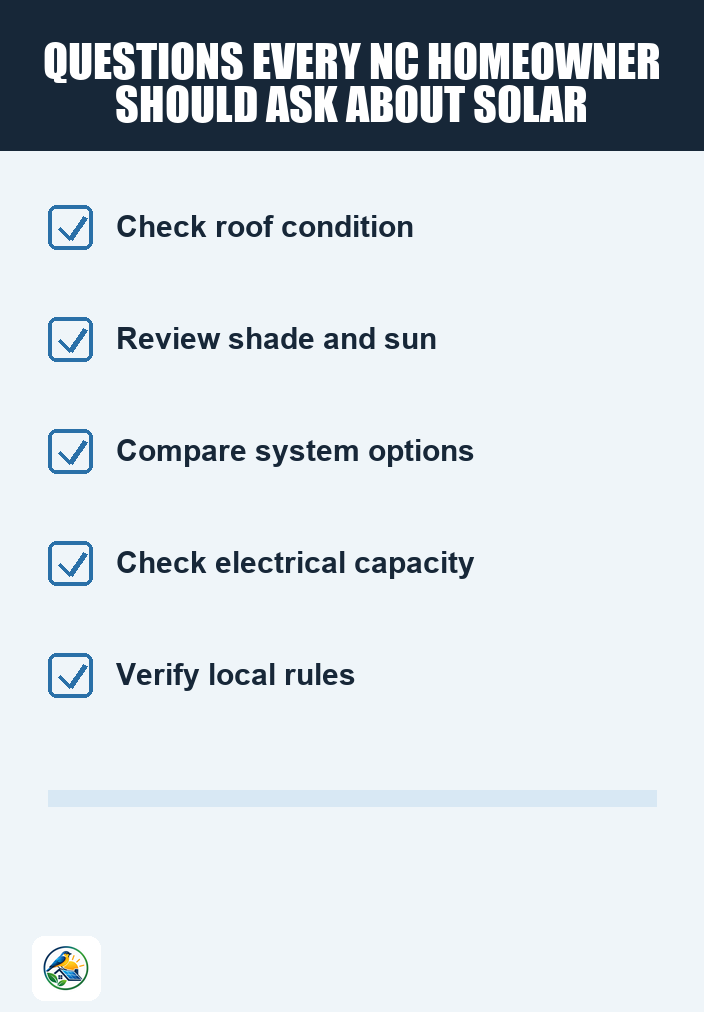
Before moving forward with a solar installation, assess the following factors that can impact your decision:
Roof Condition and Orientation
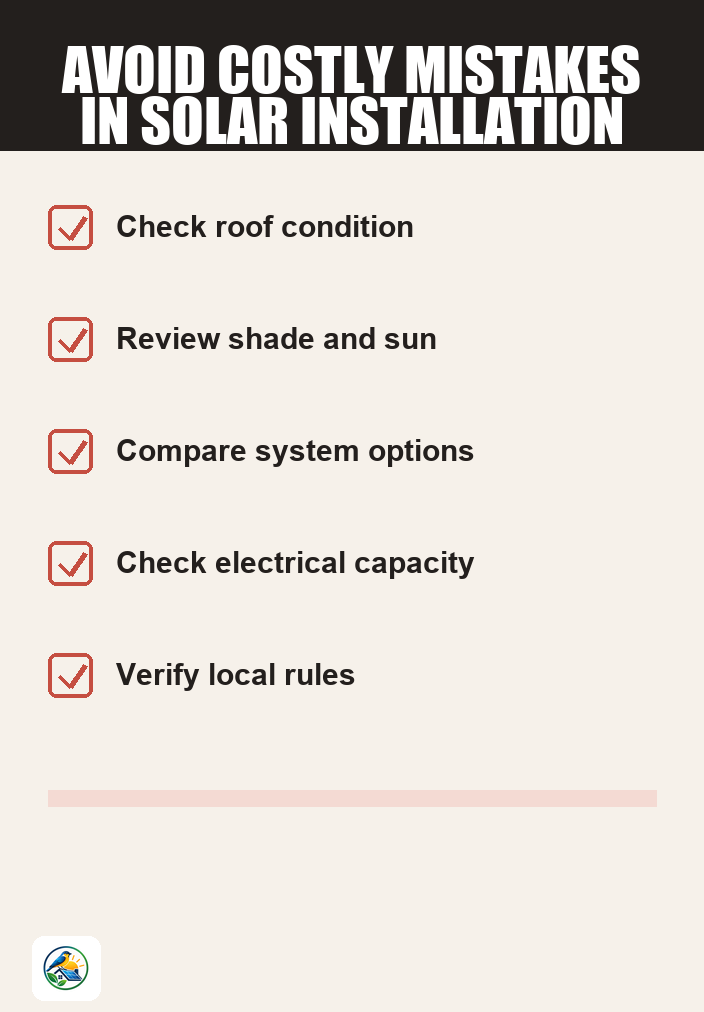
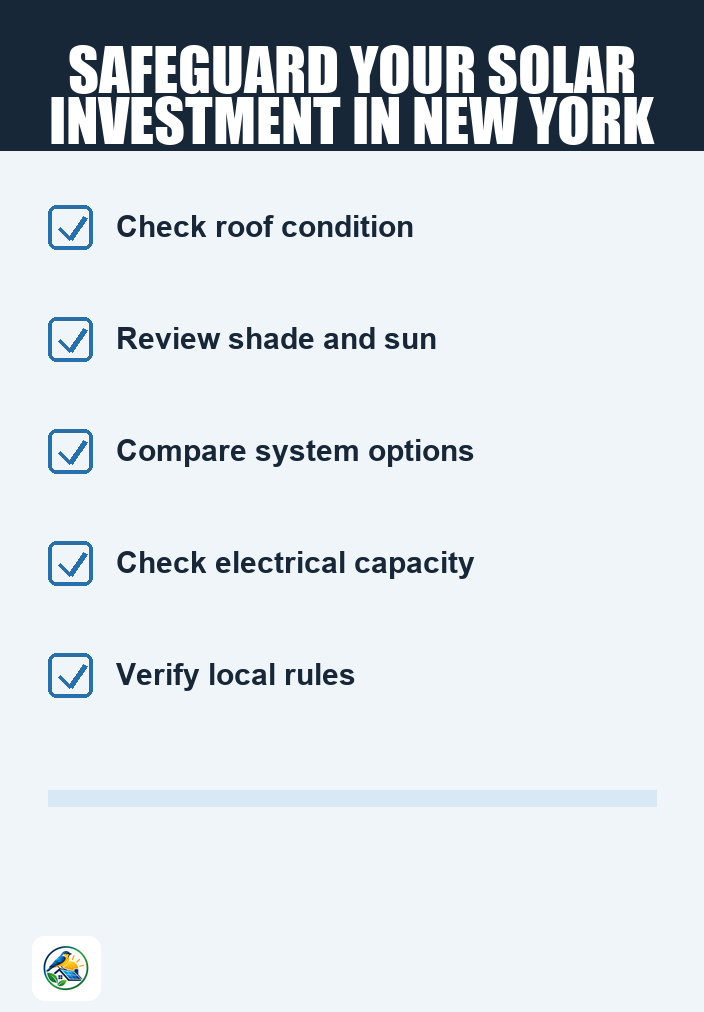
- Roof Age: Ensure your roof is in good condition. If it needs repairs or replacement, it may be worth addressing these issues before installing solar panels.
- Orientation: South-facing roofs generally receive optimal sunlight. East- or west-facing roofs can also work but may produce less energy.
- Shade Analysis: Trees or nearby buildings can create shade, reducing your system’s efficiency. Consider trimming trees or removing obstructions if possible.
Electrical System Upgrades
Your existing electrical system may need upgrades to support a solar installation. This could include a new inverter or panel upgrades. An installer can help assess your current electrical setup.
Understanding Costs and Incentives
The financial aspects of solar installation are crucial. While costs can vary widely, it’s important to understand potential incentives and rebates available in Virginia:
- Federal Tax Credit: Check current eligibility for federal tax incentives, which can significantly reduce upfront costs.
- State Incentives: Virginia may offer state-specific incentives. Always verify the latest information as these can change.
- Financing Options: Explore financing choices such as solar loans, leases, or power purchase agreements (PPAs). Each has its pros and cons.
Comparing Quotes from Solar Installers
Once you’ve assessed your home and researched your options, it’s time to gather quotes from qualified solar installers. Here’s how to approach this:
- Request Itemized Quotes: Ensure each quote includes detailed breakdowns of costs, equipment, warranties, and installation timelines.
- Ask About Experience: Inquire about the installer’s experience, certifications, and customer reviews.
- Evaluate Financing Terms: Compare financing options, including interest rates and terms, to find a plan that suits your budget.
Final Thoughts on Your Solar Journey
Deciding to install solar panels in Virginia involves evaluating various options and understanding your unique circumstances. While solar can offer benefits, it’s not a one-size-fits-all solution. By carefully considering your home’s suitability, financial implications, and comparing detailed installer quotes, you can make an informed decision that aligns with your energy needs and financial situation.
Next Steps
Start by assessing your roof’s condition, orientation, and any shading issues. Then, research local solar installers and gather itemized quotes to help you evaluate your options. Taking these steps will empower you to make a confident decision about solar energy for your home.