Understanding Your Solar Options in Massachusetts
Navigating the world of solar installation can be daunting, especially for homeowners in Massachusetts. With various options and considerations, it’s essential to approach the process with clarity and confidence. This article will guide you through the fundamentals of solar installation, helping you make informed decisions without feeling overwhelmed.
Assessing Your Home for Solar Suitability
Before diving into the installation process, it’s crucial to evaluate whether your home is suitable for solar energy. Several factors can influence your decision:
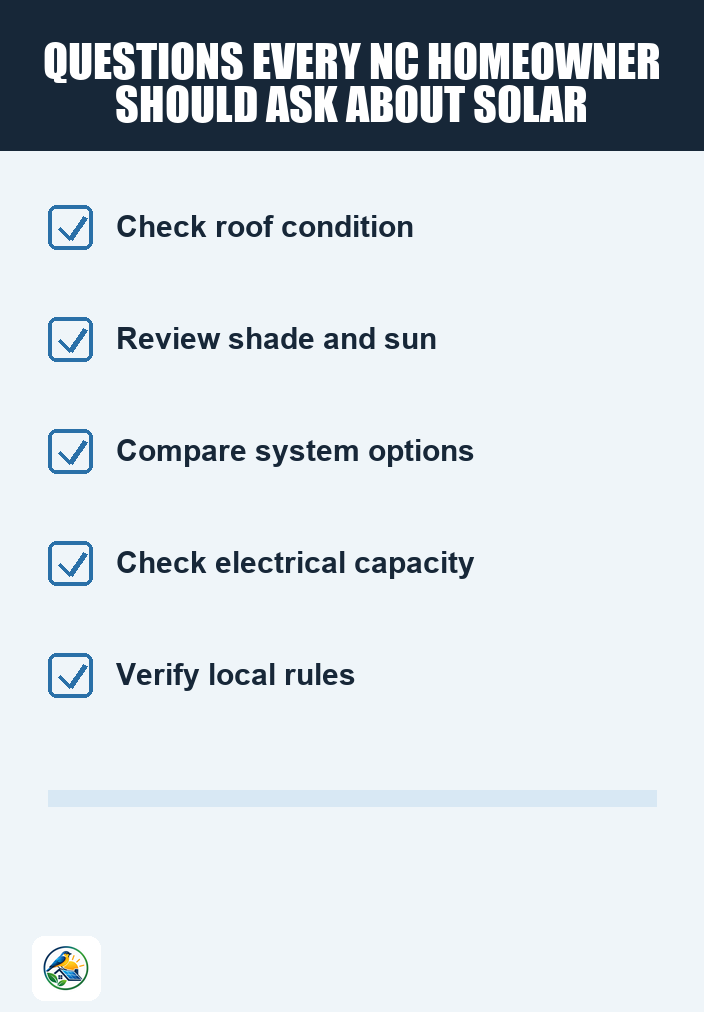
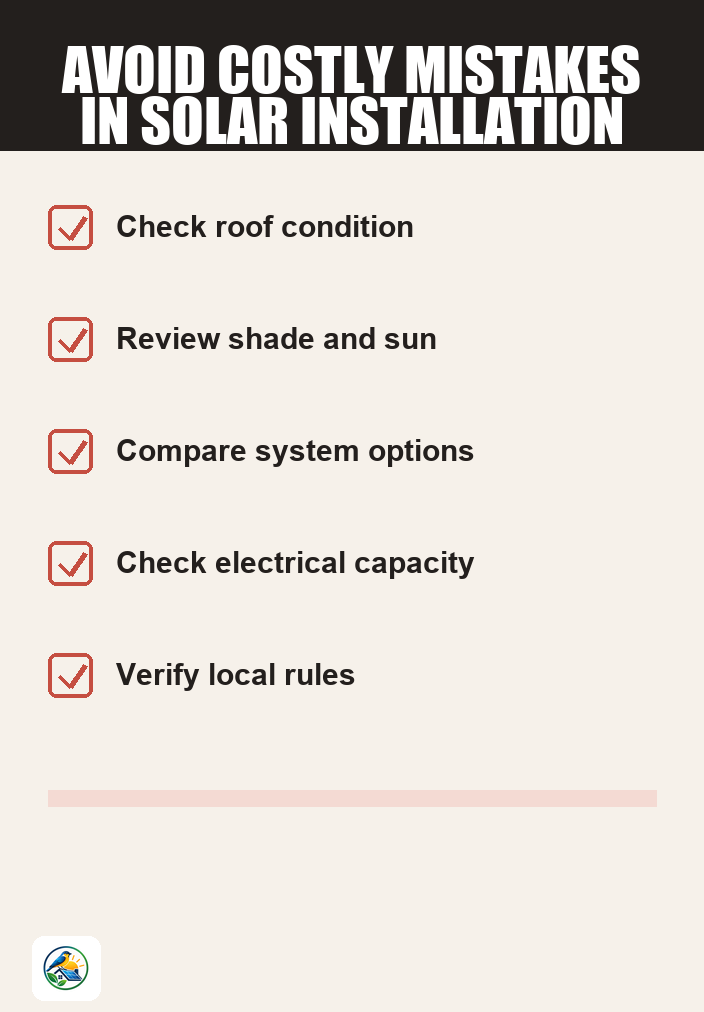
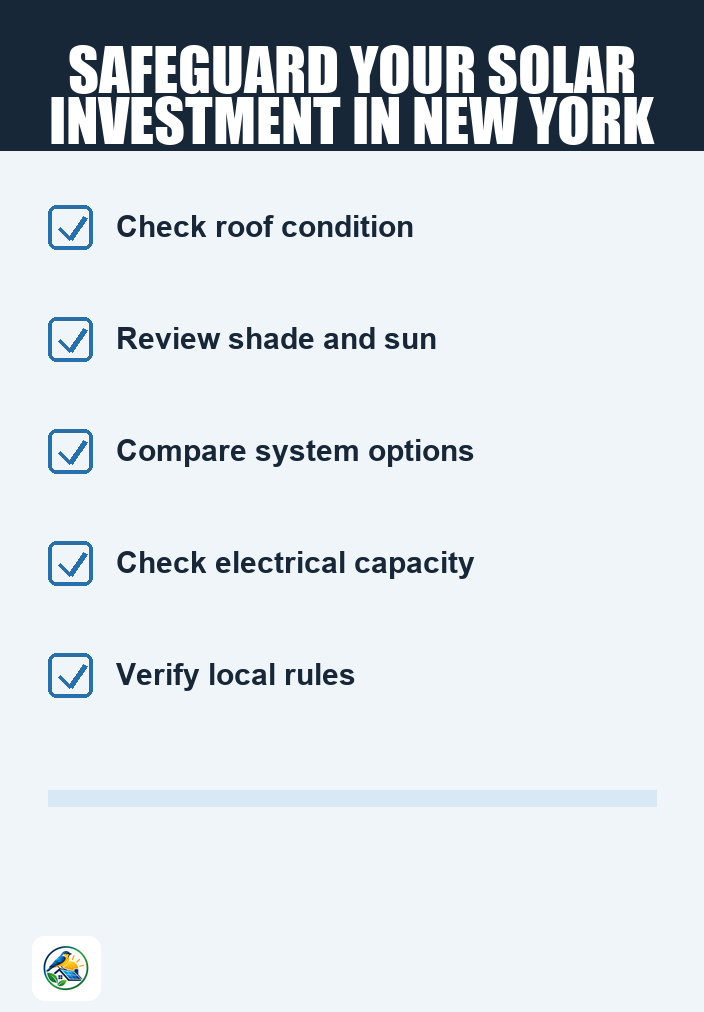
- Roof Condition: A sturdy, well-maintained roof is vital for solar panel installation. If your roof needs repairs or replacement, it’s best to address those issues first.
- Orientation and Angle: South-facing roofs typically receive the most sunlight, but east and west-facing roofs can also work. The angle of your roof can affect energy production, so it’s worth considering.
- Shade: Trees, buildings, and other obstructions can cast shade on your roof, significantly reducing solar panel efficiency. Evaluate how much sunlight your roof receives throughout the day.
- Electrical System: Your home’s electrical system may need upgrades to accommodate solar installation. A qualified installer can assess this for you.
Types of Solar Systems
Understanding the different types of solar systems available is key to making a well-informed decision. Here are the most common types:
- Grid-Tied Systems: These systems are connected to the utility grid, allowing you to draw electricity from the grid when your solar panels aren’t producing enough power, such as at night or on cloudy days. They often qualify for net metering, where you can receive credits for excess energy produced.
- Battery Backup Systems: These systems combine solar panels with battery storage, allowing you to store excess energy for later use. This is particularly beneficial for homeowners who want to maintain power during outages or maximize self-consumption.
- Off-Grid Systems: Off-grid systems are completely independent from the utility grid. They require a battery storage system to provide power when solar production is low. These systems can be more expensive and require careful planning.
The Importance of Professional Installation
While DIY solar options exist, hiring a professional installer is generally recommended for residential systems. Here are a few reasons why:
- Expertise: Professional installers have the knowledge and experience to assess your specific needs, ensuring your system is tailored to your home.
- Permitting and Interconnection: Navigating local permitting processes and utility interconnection requirements can be complex. Professional installers handle this on your behalf, saving you time and potential headaches.
- Warranties and Support: Most professional installations come with warranties on both equipment and labor, providing peace of mind for homeowners.
Comparing Quotes from Installers
Once you’ve assessed your home and decided to proceed with solar installation, it’s time to gather quotes from qualified installers. Here’s how to effectively compare quotes:
- Get Multiple Quotes: Don’t settle for the first quote you receive. Aim for at least three to five quotes to understand the market better.
- Itemized Breakdown: Request an itemized breakdown of costs from each installer. This should include equipment, installation, permitting fees, and any additional costs.
- Understand Equipment Options: Ask about the types of solar panels and inverters being offered. Different brands and models can vary in efficiency and warranty terms.
- Review Installation Process: Inquire about the installation timeline and process. Understanding how long the project will take can help in planning your schedule.
- Check Reviews and References: Look for reviews or ask for references from past customers. This can give you insight into the installer’s reputation and reliability.
Exploring Financial Incentives
Massachusetts offers several incentives for solar installation that can reduce your upfront costs. However, these incentives can change, so it’s essential to verify current opportunities:
- State Incentives: Massachusetts has programs that provide rebates or credits for solar installations. Research these options to see what applies to your situation.
- Federal Tax Credits: Homeowners may qualify for federal tax credits for solar installations. Be sure to check current eligibility requirements and the amount available.
- Financing Options: Explore financing options, such as solar loans or leases. Each has its pros and cons, so consider your financial situation carefully.
Maintenance and Long-Term Considerations
Once your solar system is installed, ongoing maintenance is minimal but essential for optimal performance. Regularly check for debris on panels, monitor energy production, and schedule professional inspections as needed. Additionally, consider your long-term energy needs. If you anticipate significant changes, such as an addition to your home or changes in family size, plan your solar capacity accordingly.
Next Steps
As you embark on your solar journey, take the time to research, assess your home, and gather quotes from multiple qualified installers. Understanding your options and comparing itemized quotes will help you make informed decisions that align with your financial and energy goals. Remember, the key to a successful solar installation is thorough planning and informed choices.