Understanding Your Roof: Assessing Structure and Condition
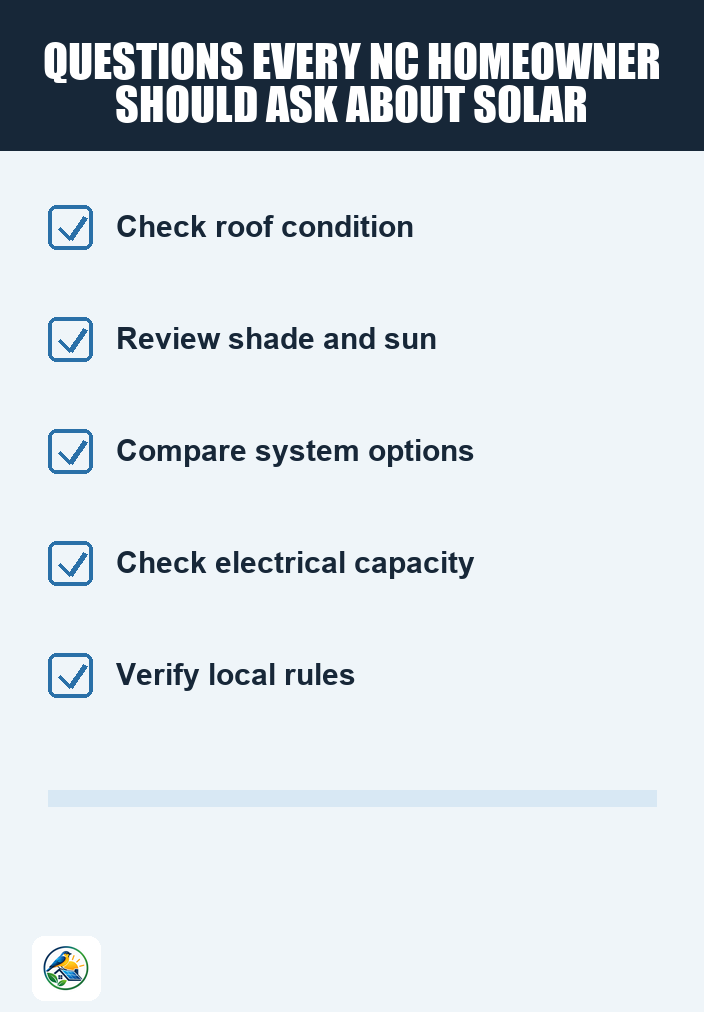
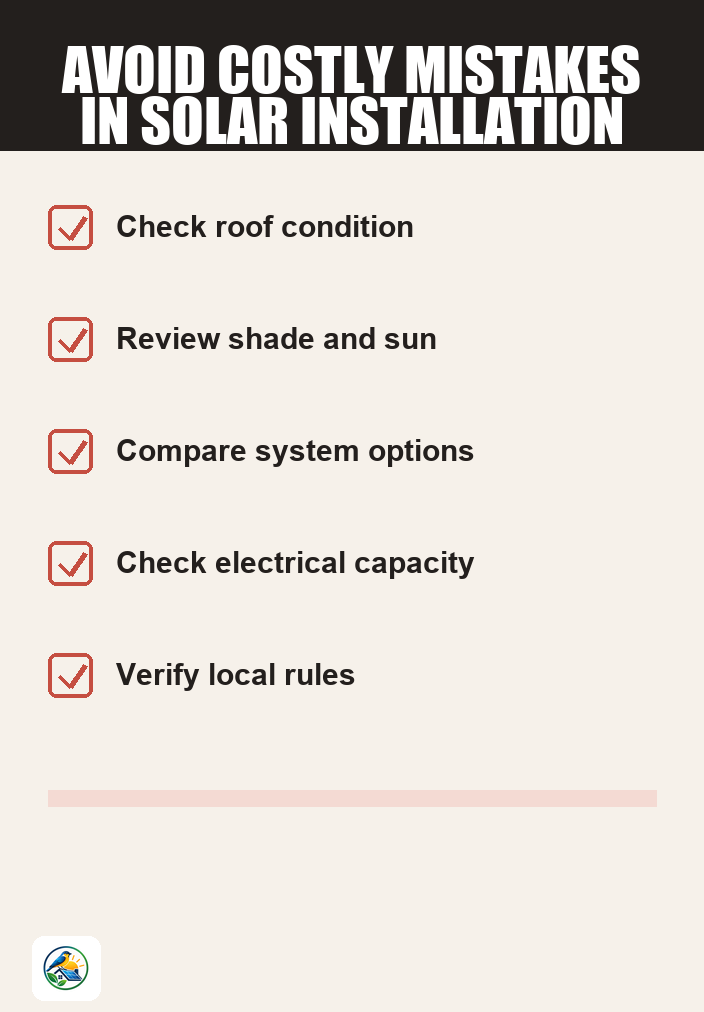
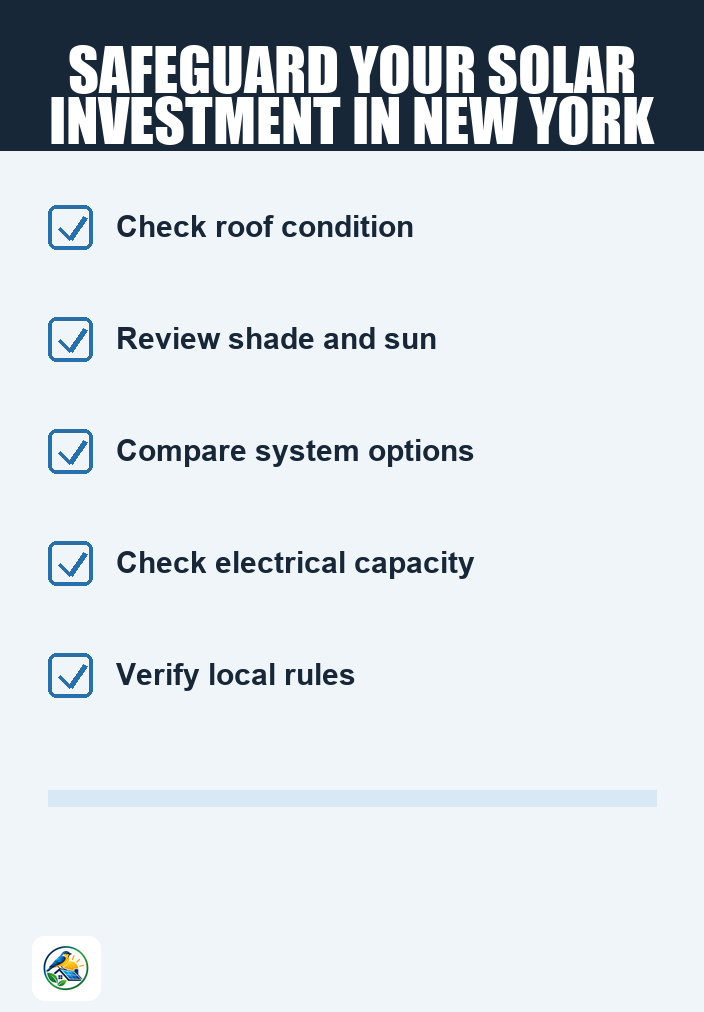
Before you dive into the world of solar installation, the first step is to evaluate your roof’s condition and structure. Solar panels need a solid, stable base to ensure longevity and performance. Here are some considerations:
- Roof Age and Material: If your roof is nearing the end of its lifespan, it may be wise to replace it before installing solar panels. Common roofing materials like asphalt shingles, metal, and tile have different lifespans and may affect installation timing.
- Structural Integrity: A professional inspection can help determine if your roof can support the added weight of solar panels. Cracks, sagging, or significant wear may necessitate repairs or reinforcements.
- Orientation and Pitch: Solar panels perform best on south-facing roofs with a pitch between 15 to 40 degrees. If your roof’s orientation or pitch is less than ideal, your system’s efficiency may be compromised.
- Shade Analysis: Trees, buildings, and other obstructions can cast shadows on your roof, reducing solar production. Consider a shade analysis to determine the best locations for panel installation.
Understanding Local Regulations and Permitting Requirements
Solar installation in California is subject to various local regulations and permitting requirements. Navigating these can be complex but essential. Here’s what to keep in mind:
- Local Permitting: Check with your city or county for specific solar installation permits. This process can vary significantly depending on your location.
- Building Codes: Compliance with local building codes is necessary to ensure safety and performance. Your installer should be familiar with these codes.
- HOA Guidelines: If you live in a community with a homeowners association, review their rules regarding solar panel installation. Some HOAs have restrictions on aesthetics that could influence your design choices.
- Interconnection Standards: Understand the interconnection process with your utility provider. This includes how your system connects to the grid and any requirements for net metering.
Evaluating Energy Needs and Sizing Your System
Before installing solar panels, it’s crucial to evaluate your household energy needs. Proper sizing of your solar system will help ensure you generate enough energy to meet your consumption.
- Energy Consumption Assessment: Review your past utility bills to determine your average monthly energy usage. This data is key to sizing your solar system accurately.
- Future Energy Needs: Consider any planned changes to your household that may affect energy consumption, such as electric vehicles, home additions, or increased appliance use.
- System Sizing: A general rule of thumb is that a 5 kW solar system can produce around 6,000 kWh annually in California, but this varies based on location and system efficiency.
Exploring Financing Options for Your Solar System
Financing is a significant aspect of solar installation. California homeowners have various options, and understanding these can help you make an informed decision:
- Upfront Purchase: Paying cash for your solar system allows you to own it outright and avoid monthly payments. However, this requires a substantial initial investment.
- Solar Loans: Many financial institutions offer loans specifically for solar installations. These loans often come with competitive rates and terms tailored for solar projects.
- Leases and Power Purchase Agreements (PPAs): With these options, you can install solar panels with little to no upfront cost. You pay a monthly fee or buy the power generated, but you won’t own the system.
- Incentives and Rebates: Research federal, state, and local incentives, including tax credits and rebates. However, verify their current status as these can change frequently.
Choosing the Right Installer: What to Look For
Selecting a qualified solar installer is crucial for a successful installation. Here are some tips on what to consider:
- Experience and Reviews: Look for installers with a proven track record in residential solar projects. Customer reviews and testimonials can provide insight into their reliability and quality of work.
- Certifications: Ensure the installer holds necessary certifications, such as those from the North American Board of Certified Energy Practitioners (NABCEP).
- Itemized Quotes: Obtain detailed quotes from multiple installers. This should include equipment costs, installation charges, and any applicable fees. Comparing these can help you identify reasonable pricing.
- Warranty and Maintenance: Inquire about warranties on both the panels and the installation work. A good warranty can provide peace of mind for years to come.
Next Steps: Preparing for Your Solar Journey
As you embark on your solar installation journey, take the time to evaluate your roof, understand local regulations, assess your energy needs, explore financing, and choose a qualified installer. By preparing adequately, you can make informed decisions that will lead to a successful solar installation tailored to your home’s unique needs.
Remember to compare itemized quotes from qualified installers and verify any local incentives or financing options. This careful approach will help you navigate the process and find the solar solution that truly fits your home.