Understanding Solar Panel Lease vs. Purchase Options in Florida
As Florida homeowners consider the shift to solar energy, a key decision arises: should you lease your solar panels or purchase them outright? Both options have distinct advantages and trade-offs that can impact your financial situation, energy independence, and long-term plans for your home. This article will break down the two options, helping you make an informed choice based on your circumstances.
Overview of Solar Panel Leasing
Leasing solar panels involves entering into an agreement with a solar provider who owns the system. You pay a monthly fee to use the energy generated by the panels. Here are some key features of leasing:
- Lower Upfront Costs: Leasing typically requires little to no upfront payment, making it more accessible for homeowners who may not have the capital for a full purchase.
- Maintenance and Repairs: The leasing company often takes responsibility for maintenance, repairs, and monitoring, which can relieve homeowners from ongoing concerns about system performance.
- Fixed Payments: Monthly payments are usually fixed, allowing for predictable budgeting over the lease term.
- Transferability: If you sell your home, you may have the option to transfer the lease to the new owner, potentially making your home more attractive to buyers interested in solar energy.
Pros and Cons of Leasing Solar Panels
While leasing can be an appealing option, it’s essential to weigh its advantages against potential drawbacks:
- Long-Term Costs: Over the lease term, the total amount paid may exceed the cost of purchasing the system outright, especially if you stay in your home for many years.
- Limited Control: Since you don’t own the system, you may have limited control over the choice of equipment and how the system is maintained.
- Incentives and Tax Benefits: You typically won’t benefit from tax credits or local incentives, as these are claimed by the leasing company.
Understanding Solar Panel Purchase
Purchasing solar panels means buying the system outright or financing it through a loan. This option often comes with more upfront costs but can lead to significant benefits:
- Ownership: When you purchase your solar energy system, you own it entirely, allowing for greater control over your investment and the freedom to choose equipment and installation parameters.
- Financial Incentives: Homeowners who purchase solar systems are typically eligible for federal, state, or local tax incentives, which can significantly reduce overall costs.
- Long-Term Savings: Although the upfront costs are higher, many homeowners find that purchasing leads to greater savings over the life of the system.
- Increased Property Value: In many cases, a solar energy system can enhance the value of your home, making it more appealing to future buyers.
Pros and Cons of Purchasing Solar Panels
On the flip side, purchasing solar panels also has its downsides:
- Initial Investment: The upfront cost of purchasing can be a barrier for some homeowners, even with financing options available.
- Maintenance Responsibility: Homeowners must manage all maintenance and repairs, which may require additional time and financial investment.
- Potential for Obsolescence: As technology evolves, newer systems may offer better efficiency and features, potentially making older systems less desirable.
Considerations for Florida Homeowners
When deciding between leasing and purchasing solar panels, Florida homeowners should evaluate several factors unique to their situation:
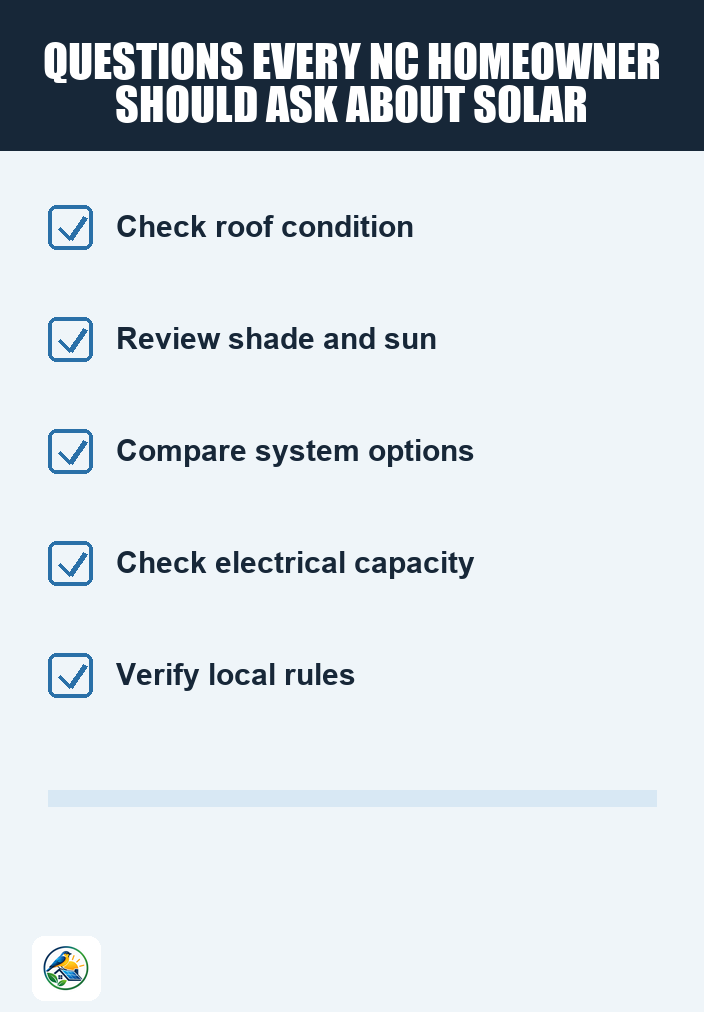
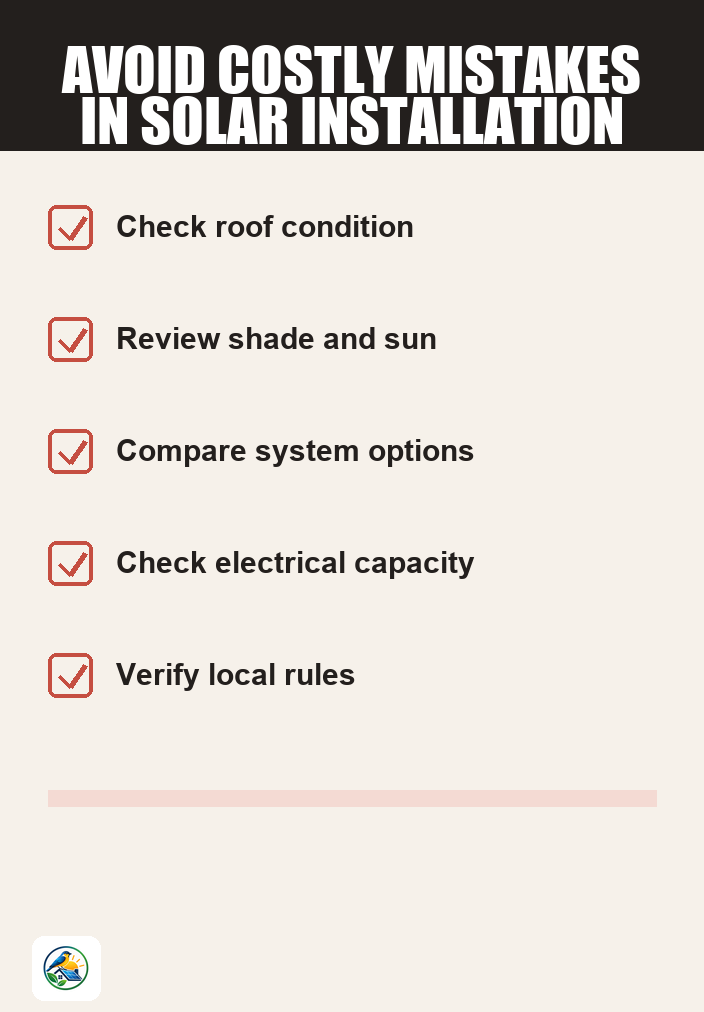
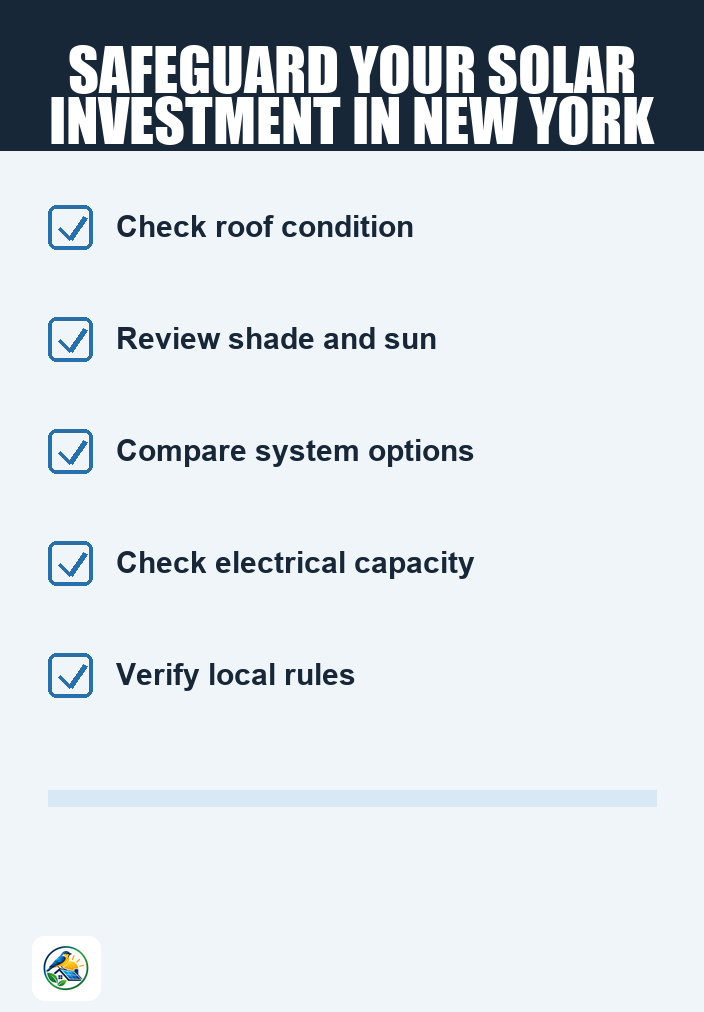
- Roof Condition and Orientation: The suitability of your roof for solar panels can impact both your decision and the effectiveness of the system. A well-maintained, south-facing roof typically yields the best results.
- Shade and Surrounding Structures: Nearby trees or buildings that cast shade on your roof can significantly reduce solar panel efficiency. This is an important consideration regardless of whether you choose to lease or purchase.
- Future Plans: If you plan to move soon, leasing might be a more attractive option, as it allows for easier transfer of the system.
- Local Utility Policies: Rules on net metering, interconnection, and other utility policies can vary widely and impact the financial benefits of each option. Make sure to check with your local utility provider.
- Financing Options: Explore different financing options available for purchasing solar systems. Some lenders offer competitive rates, making it more feasible for homeowners to buy outright.
Getting Quotes and Making a Decision
Ultimately, the decision to lease or purchase solar panels should be based on your individual circumstances and preferences. Obtaining quotes from qualified solar installers can provide valuable insights into costs, system performance, and potential savings. Here are some practical steps to consider:
- Research Local Installers: Look for reputable solar installation companies in your area. Check reviews and ask for recommendations from friends or neighbors.
- Request Itemized Quotes: When you receive quotes, ensure they are itemized to clearly outline all costs, including installation, equipment, financing, and potential incentives. This can help you compare options more effectively.
- Evaluate Financing Options: If considering purchasing, explore various financing options, including loans, home equity lines of credit, and cash purchases, to find what best suits your financial situation.
- Consult with Professionals: Engage with solar energy professionals who can assess your specific home conditions and provide tailored advice based on your energy needs and goals.
Conclusion
Deciding between leasing and purchasing solar panels is not a one-size-fits-all choice. Each option has its unique benefits and drawbacks, and the best decision will depend on your financial situation, energy goals, and future plans. By carefully considering your options and consulting with qualified solar installers, you can make a choice that aligns with your needs and maximizes the benefits of solar energy for your Florida home.