Understanding the Cost Influencers of Solar Installation in Texas
As more Texas homeowners consider transitioning to solar energy, understanding the various cost influencers becomes essential. Solar installation is not a one-size-fits-all solution, and numerous factors can affect the overall price. This article aims to provide a grounded overview of what influences the cost of installing a residential rooftop solar system in Texas, including optional home battery systems.
Key Cost Components of Solar Installation
When evaluating solar installation costs, several key components must be considered:
- Solar Panels: The primary hardware used to convert sunlight into electricity, solar panels vary in price based on efficiency, brand, and warranty.
- Inverters: These devices convert the direct current (DC) generated by solar panels into alternating current (AC) used in homes. The choice between string inverters, microinverters, or power optimizers can affect costs.
- Mounting Equipment: The hardware used to secure the solar panels to your roof. Costs can vary based on roof type and installation complexity.
- Installation Labor: Labor costs vary by region and the experience level of the installation team. It’s important to select a qualified installer to ensure quality work.
- Permitting and Inspection Fees: Local regulations often require permits and inspections, which can add to upfront costs.
- Electrical System Upgrades: Older homes may need electrical panel upgrades to accommodate solar systems, adding to the overall expense.
- Battery Storage: If considering a battery backup system, the type and capacity of the battery will significantly impact costs.
Evaluating Your Home’s Solar Suitability
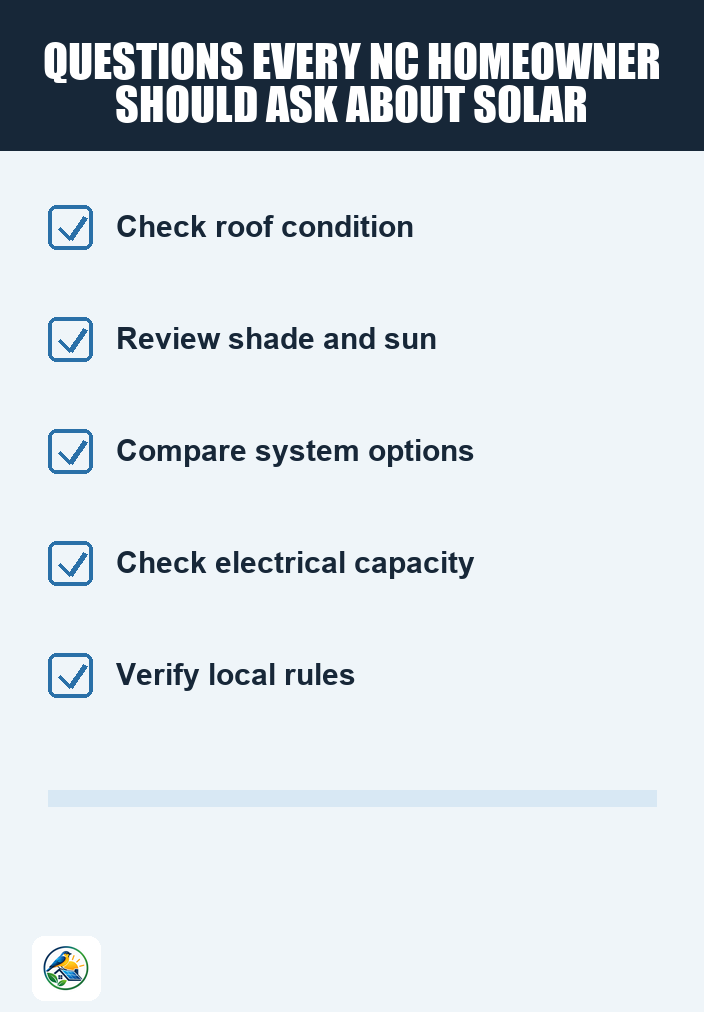
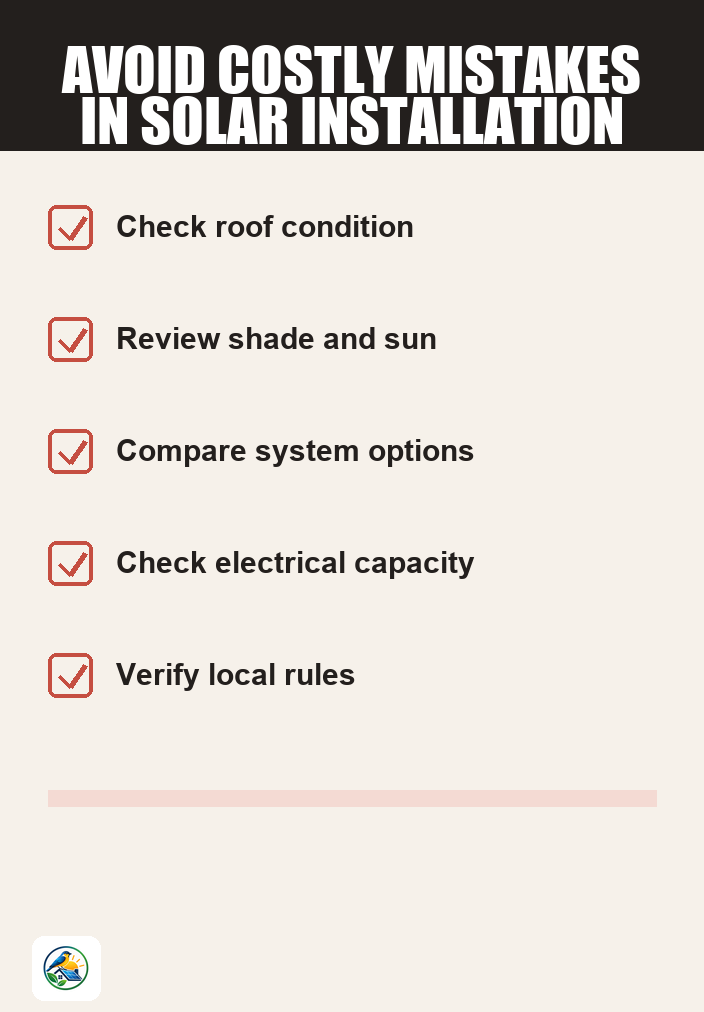
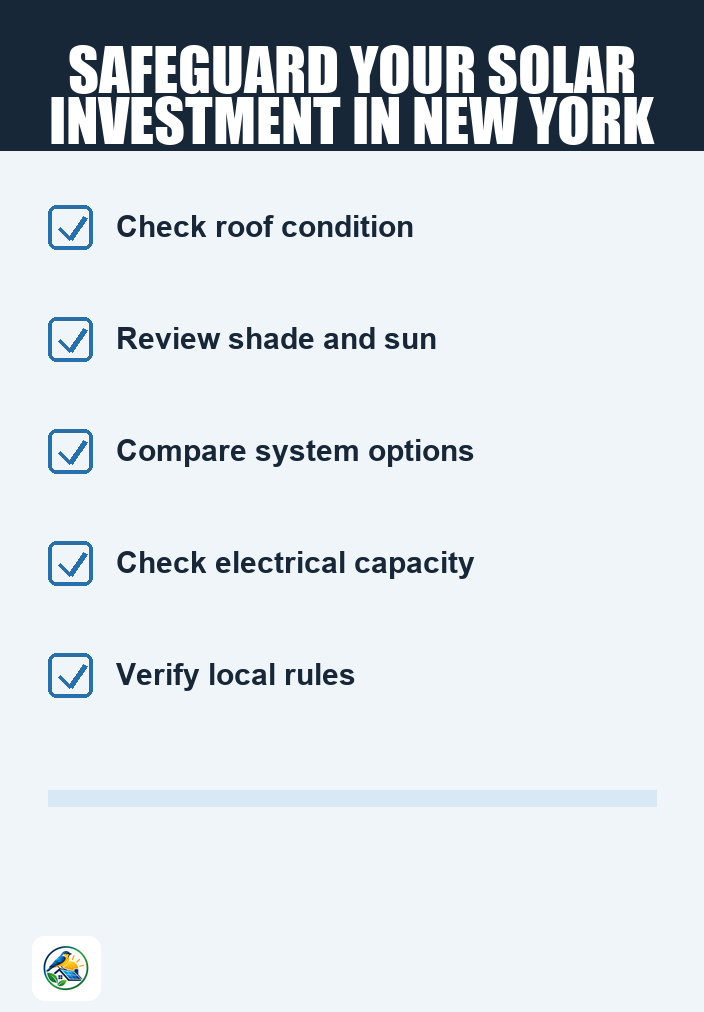
Before diving into costs, it’s essential to assess your home’s suitability for solar installation. Here are several factors to consider:
- Roof Condition: A roof that is in poor condition may need repairs or replacement before installing solar panels.
- Shade and Orientation: Trees, buildings, or other obstructions that cast shadows on your roof can significantly reduce solar energy production. Ideally, roofs should face south for optimal sunlight exposure.
- Roof Size and Pitch: Larger roofs can accommodate more panels, which may increase energy production but also installation complexity and costs.
- Energy Usage: Understanding your household energy consumption can help determine the size of the solar system needed. A professional installer can help analyze your energy bills.
Local Incentives and Regulations
In Texas, various incentives and regulations can influence the cost of solar installation:
- State Incentives: While Texas does not have a statewide solar rebate program, some cities or utility companies may offer incentives. Verify the current offerings in your area.
- Federal Tax Credits: Homeowners may be eligible for federal tax credits for solar installations. However, these incentives can change, so it’s important to confirm the current percentages and eligibility.
- Net Metering Policies: Texas has different policies regarding net metering, which allows homeowners to receive credits for excess energy produced. Check with your utility for specific rules and rates.
Understanding Financing Options
Financing can significantly impact the upfront and long-term cost of solar installation. Here are common financing options:
- Cash Purchase: Paying in full upfront typically offers the best long-term savings but requires a significant initial investment.
- Solar Loans: Many homeowners choose to finance their system with a loan, allowing for monthly payments instead of a lump sum. Be mindful of interest rates and terms.
- Leases and Power Purchase Agreements (PPAs): These options allow homeowners to install solar systems without upfront costs. However, they often involve long-term commitments and may not offer the same financial benefits as ownership.
Comparing Quotes from Installers
Once you’ve assessed your home’s suitability and researched financing options, obtaining quotes from multiple qualified installers is crucial. When comparing quotes, consider the following:
- Itemized Costs: Ensure each quote breaks down costs for equipment, labor, permits, and any additional fees.
- System Size and Design: Verify that each quote reflects a similar system size and configuration tailored to your energy needs.
- Warranties and Maintenance: Inquire about warranties for equipment and installation, as well as any maintenance services offered.
- Experience and Reviews: Research the installer’s reputation, experience, and customer reviews to gauge their reliability and quality of work.
Potential Drawbacks and Constraints
While solar energy can be a beneficial investment for many homeowners, there are potential drawbacks and constraints to consider:
- Initial Costs: Even with incentives, the upfront costs can be a barrier for some homeowners.
- Weather Considerations: Texas weather can be unpredictable, with periods of cloud cover or storms that may affect solar production.
- Battery Limitations: If opting for a battery system, be aware of limitations such as capacity, lifespan, and additional costs.
- Permitting Delays: The permitting process can vary by locality, leading to potential delays in installation.
Next Steps for Homeowners
Transitioning to solar energy in Texas can be a complex decision influenced by various factors. To make an informed choice, take the following steps:
- Assess your home’s suitability for solar installation.
- Research local incentives and regulations that may apply.
- Consider different financing options and their implications.
- Obtain and compare detailed quotes from qualified installers.
- Verify the current incentives and net metering rules with local utility providers.
By carefully evaluating these cost influencers and considering your unique circumstances, you can better determine whether solar energy is the right fit for your home in Texas.